ACC: Overly Restrictive Sodium Harmful in Heart Failure
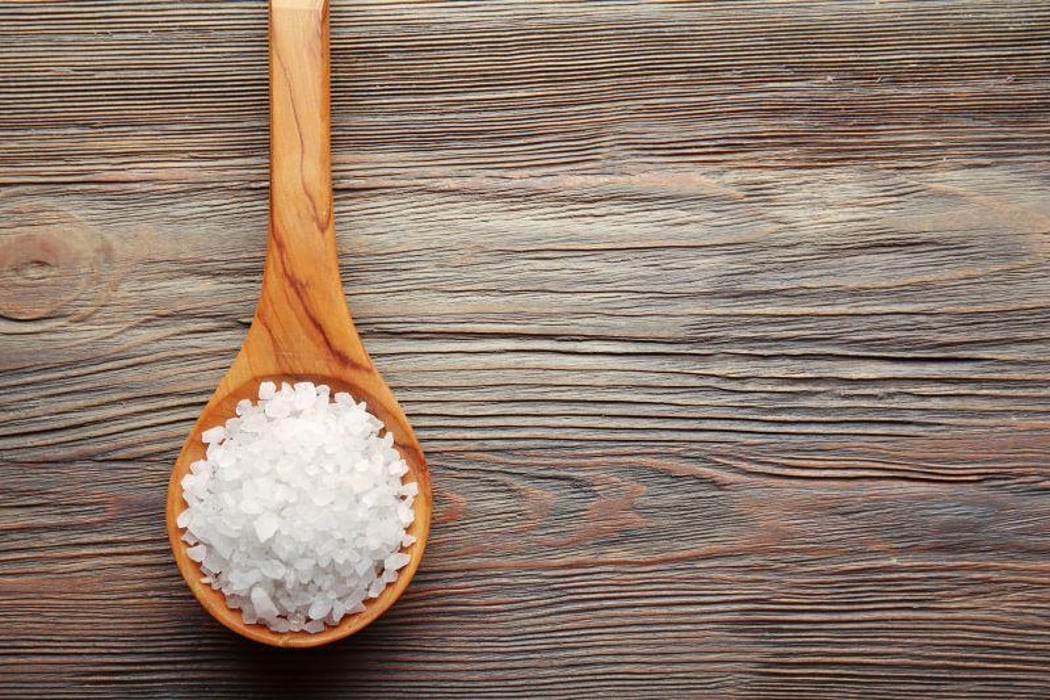
FRIDAY, March 3, 2023 (HealthDay News) -- A low dietary sodium diet, including intake below the standard recommended maximum of 2.3 g per day, is associated with an increased risk for in-hospital mortality among patients with heart failure, according to a study presented at the annual meeting of the American College of Cardiology, held from March 4 to 6 in New Orleans.
Anirudh Palicherla, M.D., from the Creighton University School of Medicine in Omaha, Nebraska, and colleagues conducted a meta-analysis of randomized clinical trials to compare low dietary sodium to usual care in heart failure. Data were included from nine studies with 3,499 patients.
The researchers found that the low dietary sodium group showed a significant increase in in-hospital mortality compared with usual care (risk ratio, 1.84 [95 percent confidence interval, 1.46 to 2.31; P < 0.001] for intake <2.5 g/day versus ≥2.5 g/day). No significant difference was seen between the groups in hospitalization (risk ratio, 1.45; 95 percent confidence interval, 0.99 to 2.11; P = 0.05).
"Our findings showed that restricting dietary sodium to less than the usual recommendation was counterproductive in the management of heart failure," Palicherla said in a statement. "This study shows that the focus should be on establishing a safe level of sodium consumption instead of overly restricting sodium."
Related Posts
¿Su hijo adolescente admitiría un problema de salud mental? Una encuesta encuentra obstáculos para la ayuda
LUNES, 21 de marzo de 2022 (HealthDay News) -- Si su hijo adolescentes se...
Politics Big Factor in Folks’ Decision to Get Boosters
FRIDAY, July 1, 2022 (HealthDay News) -- Who you voted for at the ballot box may...
Una forma rara pero peligrosa de un trastorno de la alimentación podría ser hereditaria
LUNES, 6 de febrero de 2023 (HealthDay News) -- Los genes podrían tener una...
La inflamación cardiaca a largo plazo afecta a 1 de cada 8 pacientes hospitalizados con COVID
MIÉRCOLES, 25 de mayo de 2022 (HealthDay News) -- Un año tras ser hospitalizados...