
Unsafe Neighborhoods Have Higher Levels of Child Abuse
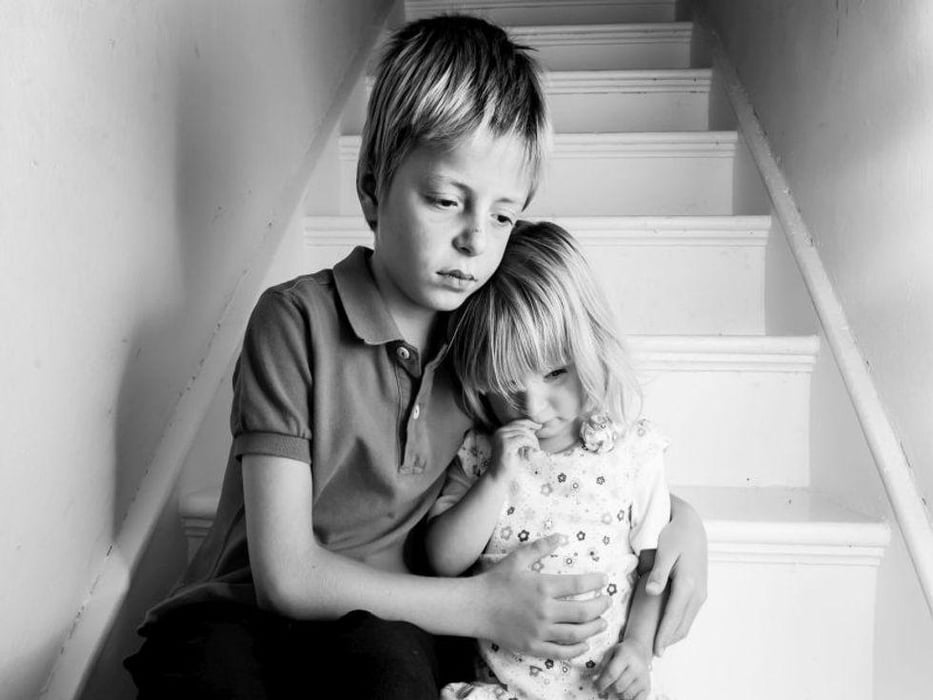
MONDAY, Sept. 25, 2023 (HealthDay News) -- Having safer neighborhoods, where families feel less stress, can help prevent child abuse, according to new research that supports this long-suspected theory.
When parents feel higher levels of stress or hopelessness about their surroundings, they may have a harder time caring for their children, the study confirms.
“To get the best outcomes for kids and to elicit the best parenting, families need a safe, stable, stimulating environment, both at home and in the surrounding community,” said study co-author Katherine Marcal, an assistant professor of social work at Rutgers University in New Brunswick, N.J.
“But if you live in a neighborhood where you can’t go outside, can’t go to a park or can’t walk down the sidewalk because there are drug dealers or trash, then families are cooped up in stressful conditions," she said in a university news release. "This stress can make maltreatment more likely to occur.”
For the study, the researchers used data from a study that included information about children born in large U.S. cities between 1998 and 2000. The investigators compared neighborhood conditions when children were age 3 and maltreatment at age 5.
Mothers reported on how often they encountered drug activity, gang violence and other dangers in their community.
Outsiders recorded physical qualities, including vacant buildings, abandoned cars, trash and signs of physical deterioration.
Perceptions of neighborhood disorder from both groups were independently linked to the likelihood of physical abuse, the study found.
And perceptions of neighborhood disorder by residents were associated with greater likelihood of psychological abuse.
Marcal said the findings have significant implications for child welfare strategies.
The researchers cited several steps to reduce child maltreatment in low-income communities, including improving the built environment, reducing poverty and providing adequate housing and housing services.
“We’re definitely gaining a better understanding of how stress and hardship affects behaviors,” Marcal said. “Child abuse isn't just a simple matter of bad people being bad parents.”
The study was published in the October issue of the journal Child Abuse & Neglect.
More information
The University of Washington has more on poverty and child neglect.
SOURCE: Rutgers University-New Brunswick, news release, Sept. 20, 2023
Related Posts
Microplastics Found in Mussels That Humans Eat
TUESDAY, April 19, 2022 (HealthDay News) -- When you eat mussels or other...
Extended-Release Morphine Does Not Reduce Breathlessness in COPD
WEDNESDAY, Nov. 30, 2022 (HealthDay News) -- Daily low-dose extended release...
El vapeo puede afectar a la respiración de los jóvenes
MIÉRCOLES, 16 de agosto de 2023 (HealthDay News) -- Cuando los adolescentes...
Health Highlights: May 6, 2022
Smoking plus vaping no healthier than smoking on its own. In a new study, mixing...