
Sleep Apnea Linked to Weaker Bones, Teeth
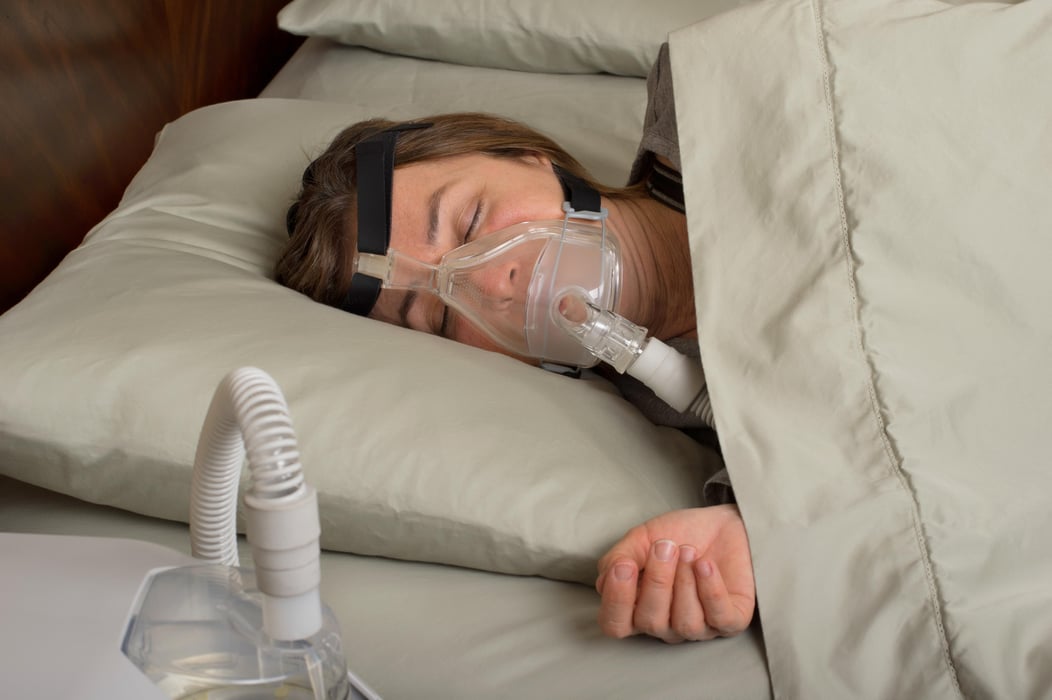
TUESDAY, Jan. 31, 2023 (HealthDay News) -- People who have sleep apnea may have another issue to worry about — weaker bones and teeth.
Known as low bone-mineral density, the condition is an indicator of osteoporosis and can increase the risk of fractures and cause teeth to become loose and dental implants to fail, according to new research from the University at Buffalo (UB) in New York.
To study this, researchers used cone beam computed tomography (CBCT) — a type of X-ray — to measure bone density in the heads and necks of 38 adults. Half of the study participants had sleep apnea.
These scans found that participants with sleep apnea had significantly lower bone-mineral density than the participants without the condition.
Sleep apnea can cause difficulty breathing while asleep, which can lead to low levels of oxygen in the body, inflammation, oxidative stress and shortened breathing patterns.
These symptoms may each have a chronic negative effect on bone metabolism and eventually bone density, said senior author Dr. Thikriat Al-Jewair. She is an associate professor of orthodontics in the UB School of Dental Medicine and director of the school’s Advanced Education Program in Orthodontics.
“While the link between obstructive sleep apnea and low bone-mineral density has yet to be fully explored, this study offers new evidence on their connection that could have several implications for orthodontic treatment,” Al-Jewair said in a university news release.
“If a patient has been diagnosed with sleep apnea, this can influence treatment planning and management. CBCT imaging has become an integral part of daily orthodontic practice and could be used as a screening tool for low bone-mineral density,” she said.
“Orthodontists could then inform their patients of their propensity for low bone-mineral density and encourage them to seek further consultation with their physician, as well as warn the patient of possible adverse outcomes, increased risks and effects on treatment time,” Al-Jewair added.
Al-Jewair also suggested future research needs to be done with larger sample sizes.
The findings were published recently in The Journal of Craniomandibular and Sleep Practice.
More information
The U.S. National Heart, Lung, and Blood Institute has more on sleep apnea.
SOURCE: University at Buffalo, news release
Related Posts
Sugar-Sweetened Beverage Intake Linked to Mortality, CVD in T2D
THURSDAY, April 20, 2023 (HealthDay News) -- Higher intake of sugar-sweetened...
Physical, Cognitive Activity Linked to Cognitive Reserve
FRIDAY, July 22, 2022 (HealthDay News) -- Self-reported physical and cognitive...
Banff Automation System Improves Diagnosis of Kidney Allograft Rejection
MONDAY, May 15, 2023 (HealthDay News) -- The Banff Automation System, based on...
More Cases of Monkeypox Emerge in Portugal as Outbreak Widens
WEDNESDAY, May 18, 2022 (HealthDay News) -- After four new cases of typically...