Nonalcoholic Fatty Liver Disease Improved With Exercise
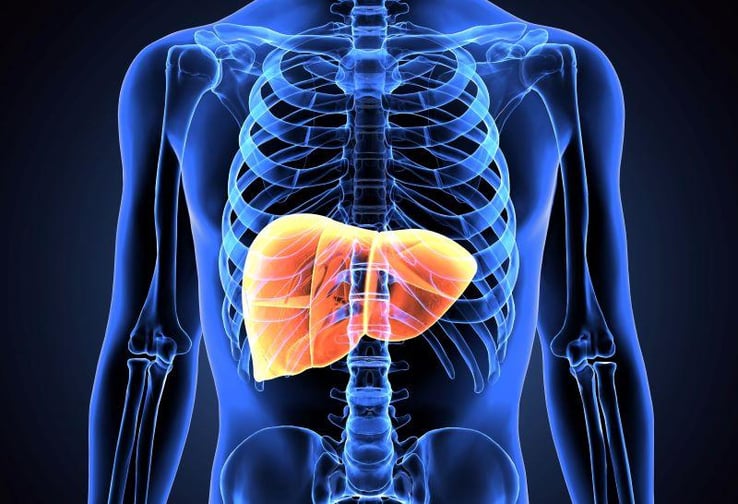
TUESDAY, Feb. 28, 2023 (HealthDay News) -- Exercise is associated with a tripled likelihood of achieving a clinically meaningful treatment response for nonalcoholic fatty liver disease (NAFLD), according to a systematic review and meta-analysis published online Jan. 30 in The American Journal of Gastroenterology.
Jonathan G. Stine, M.D., from Pennsylvania State University in Hershey, and colleagues conducted a systematic literature review to examine the association between exercise training and achievement of validated thresholds of magnetic resonance imaging (MRI)-measured treatment response for NAFLD.
Based on 14 studies (551 participants), the authors found that individuals randomly assigned to exercise training were more likely to achieve ≥30 percent relative reduction in MRI-measured liver fat (odds ratio, 3.51) versus participants in the control condition. There was a significant treatment response seen for an exercise dose of ≥750 metabolic equivalents of task minutes/week (e.g., 150 minutes/week of brisk walking; OR, 3.73). However, lesser doses of exercise did not yield a treatment response. Treatment response occurred independently of clinically significant body weight loss (>5 percent).
"Exercise is a lifestyle modification, so the fact that it might match the ability of in-development therapeutics to achieve the same outcome is significant," Stine said in a statement. "Clinicians counseling patients with nonalcoholic fatty liver disease should recommend this amount of activity to their patients. Brisk walking or light cycling for a half an hour a day five times a week is just one example of a program that would meet these criteria."
Two authors disclosed financial ties to the pharmaceutical industry.
Abstract/Full Text (subscription or payment may be required)
Related Posts
Scotland Becomes 1st Country to Provide Free Period Products
MONDAY, Aug. 15, 2022 (HealthDay News) -- On Monday Scotland became the world's...
Beber alcohol en solitario en la juventud es una mala señal de problemas futuros
MARTES, 12 de julio de 2022 (HealthDay News) -- Beber solo quizá tenga...
Give Others Help, Get Back Health Benefits: Study
FRIDAY, Nov. 26, 2021 (HealthDay News) -- When it comes to helping others and...