
More Intensive LDL-C Lowering May Cut Recurrent Stroke Risk
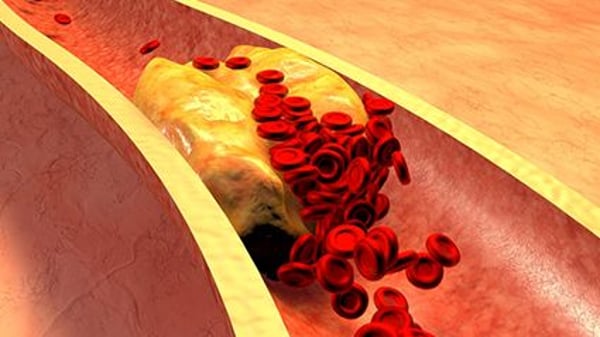
TUESDAY, Feb. 22, 2022 (HealthDay News) -- Among patients with a history of ischemic stroke, more intensive low-density lipoprotein cholesterol (LDL-C)-lowering statin-based therapies are associated with a decreased risk for recurrent stroke but an increased risk for hemorrhagic stroke, according to a meta-analysis published online Feb. 21 in JAMA Neurology.
Meng Lee, M.D., from the Chang Gung University College of Medicine in Chiayi, Taiwan, and colleagues conducted a meta-analysis of randomized clinical trials to examine the association of more versus less intensive LDL-C-lowering statin-based therapies for patients with ischemic stroke. Data were included for 11 randomized clinical trials with 20,163 patients who were followed for a mean of four years.
The researchers found that compared with less intensive LDL-C-lowering statin-based therapies, more intensive LDL-C-lowering statin-based therapies were associated with a reduced risk for recurrent stroke (absolute risk, 8.1 versus 9.3 percent; relative risk, 0.88); this benefit did not differ among LDL-C-lowering strategies. Compared with less intensive LDL-C-lowering statin-based therapies, more intensive LDL-C-lowering statin-based therapies were associated with a reduced risk for major cardiovascular events, but with an increased risk for hemorrhagic stroke. In trials with all patients with evidence of atherosclerosis, but not in trials with most patients without evidence of atherosclerosis, more intensive versus less intensive LDL-C-lowering statin-based therapies were associated with a reduced risk for recurrent stroke (relative risk, 0.79).
"The message for clinicians is, therefore, that the level of LDL-C should be lowered below 70 mg/dL by any means after an ischemic stroke in patients with evidence of atherosclerosis," write the authors of an accompanying editorial.
Editorial (subscription or payment may be required)
Related Posts
Vitamin D₃ Supplements Not Tied to Lower Cancer Mortality, Overall
WEDNESDAY, May 31, 2023 (HealthDay News) -- Daily vitamin D₃ supplementation may...
Si sobreviviste a un infarto, la rehabilitación cardíaca te puede ayudar
JUEVES, 21 de septiembre de 2023 (HealthDay News) -- La rehabilitación cardíaca...
Facebook e Instagram retiran las publicaciones que ofrecen pastillas para abortar
MARTES, 28 de junio de 2022 (HealthDay News) -- Facebook e Instagram han...
Top FDA Official Involved in Baby Formula Debacle Resigns
THURSDAY, Jan. 26, 2023 (HealthDay News) -- A U.S. Food and Drug Administration...