
At-Home Care of Painful Endometriosis
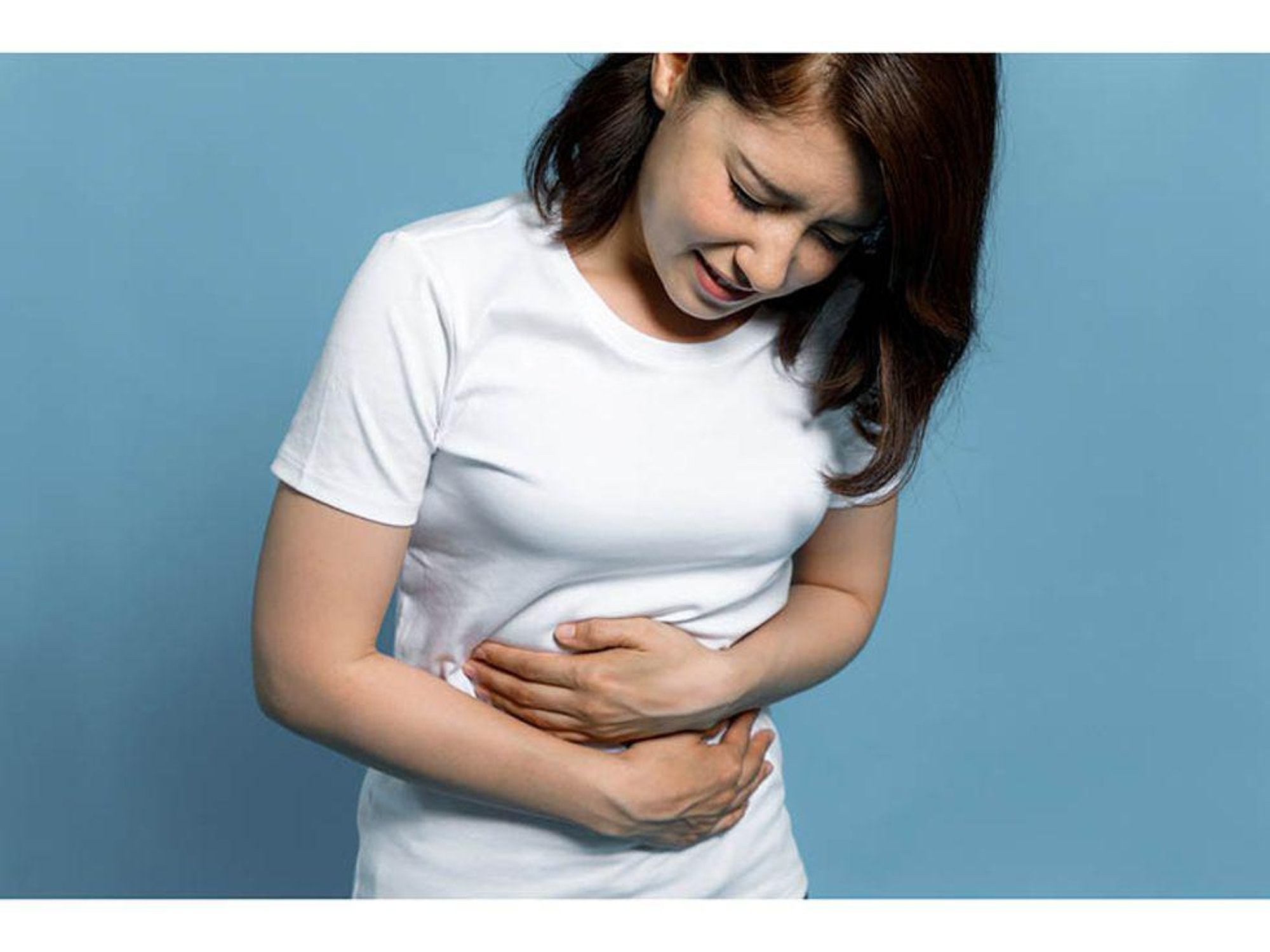
WEDNESDAY, March 8, 2023 (HealthDay News) -- Patients with painful endometriosis can help reclaim their lives by managing flare-ups at home and getting medical care, a specialist in women's health assures.
Dr. Kristin Riley, chief of minimally invasive gynecologic surgery at Penn State Health in Hershey, offered information about the condition that affects 1 in 9 women.
Endometriosis happens when tissue that normally lines the uterus (endometrium) grows outside of it instead.
The abnormal tissue can spread to the fallopian tubes, ovaries, pelvic area, bowel, bladder, rectum, appendix and diaphragm.
It can cause pain before, during or after periods, including during intercourse, and with bowel movements or urination. For some people, it is a source of chronic pelvic pain.
Having a mother, sister or daughter with endometriosis, starting your period before age 11 or after age 14, having heavy periods lasting more than one week or having monthly cycles fewer than 27 days apart are all risk factors for the condition.
A doctor can often diagnose endometriosis with an ultrasound.
“They’ll move the ultrasound around in such a way to see if organs are stuck together, which can happen with endometriosis," Riley said in a Penn State news release. "Or when they push in certain places, is it painful to the patient? That can be helpful. And sometimes with an ultrasound, you can see a big cyst of endometriosis on an ovary — that’s called an endometrioma.”
An MRI or CT scan may also reveal endometriosis in the abdominal wall.
“That’s caused when endometrial tissue is transplanted there from a surgery, most commonly from a C-section," Riley explained. "When we see that in patients, they’ll usually have more endometriosis in their pelvis.”
Definitive diagnosis happens with laparoscopy, a minimally invasive surgery using a long, skinny camera to look at the pelvic region. Surgeons will remove as much of the endometriosis as possible and do a biopsy.
It's not uncommon for the endometriosis to return within a year after laparoscopic surgery, Riley added.
Other treatments include anti-inflammatory medication and hormone therapy.
Because stopping periods can decrease pain and inflammation, doctors may prescribe birth control pills, progesterone pills or progesterone intrauterine devices.
Endometriosis medications like Lupron Depot, which is injected every one to three months, or the oral medication Orilissa are options.
While many women who experience endometriosis may find relief, others may not if their pain is coming from the pelvic floor or bladder.
To manage symptoms at home, Riley and her team work with patients to create a personalized “flare care” kit, with options for the patient in case of a flare-up.
This can include anti-inflammatory over-the-counter medications such as ibuprofen (Motrin) or naproxen (Aleve); warm baths or heating pads; a battery-powered device that delivers electric impulses through electrodes on skin known as transcutaneous electrical nerve stimulation (TENS) therapy; meditation; and yoga.
More information
The U.S. Office on Women’s Health has more on endometriosis.
SOURCE: Penn State Health, news release, March 2, 2023
Related Posts
Future of ‘Artificial Wombs’ for Human Preemies to Be Weighed by FDA Advisers
TUESDAY, Sept. 19, 2023 (HealthDay News) -- Advisers to the U.S. Food and Drug...
Some Teens Are Overdosing With Meds Prescribed for ADHD, Anxiety
MONDAY, March 14, 2022 (HealthDay News) -- Taken correctly, prescription drugs...
Science Brings New Insight Into Origins of OCD
FRIDAY, June 30, 2023 (HealthDay News) -- California psychiatrist Dr. Carolyn...
AHA News: Los adultos hispanos pueden ser más propensos a sufrir amputaciones por esta enfermedad vascular
MIÉRCOLES, 1 de diciembre de 2021 (American Heart Association News) -- Los...