FDA Limits Use of J&J COVID-19 Vaccine Due to Blood Clot Risk
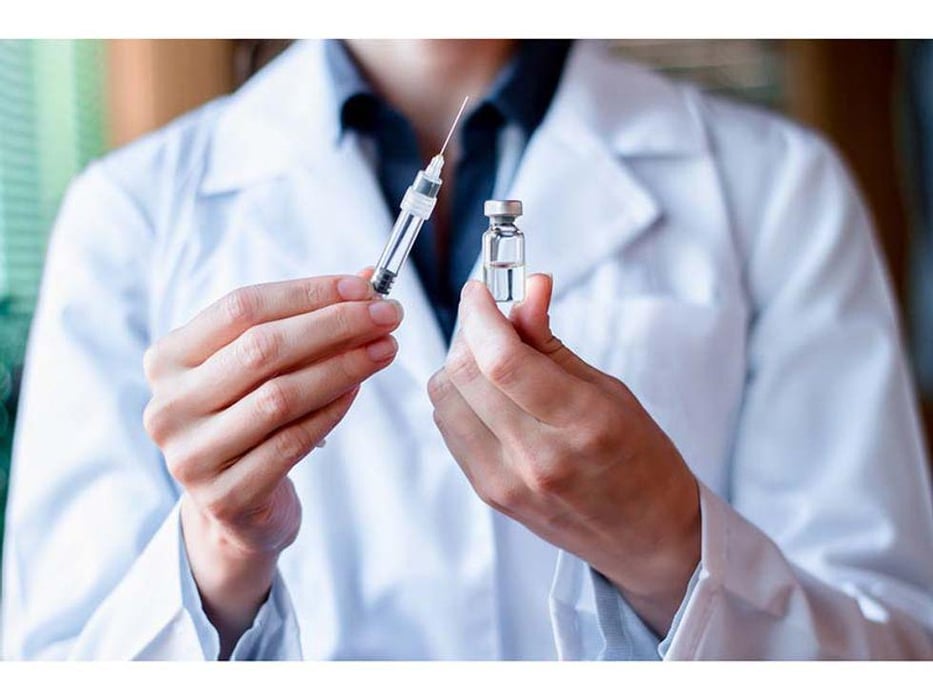
FRIDAY, May 6, 2022 (HealthDay News) -- Citing the accumulated data on a raised risk for thrombosis with thrombocytopenia syndrome (TTS), the U.S. Food and Drug Administration on Thursday greatly restricted the recommended use of the Johnson & Johnson COVID-19 vaccine.
With safer two-dose vaccines such as Pfizer and Moderna widely available, the one-dose J&J shot should be limited "to individuals 18 years of age and older for whom other authorized or approved COVID-19 vaccines are not accessible or clinically appropriate," the agency said in a statement. It may also be used by "individuals 18 years of age and older who elect to receive the Janssen COVID-19 Vaccine because they would otherwise not receive a COVID-19 vaccine [at all]," the FDA advised.
While the J&J vaccine has appealed to some because it only requires one dose, data soon emerged suggesting a higher risk for TTS. Some people -- often young males -- typically developed symptoms about a week or two after getting the J&J shot. The data accumulated on this risk now "warrants limiting the authorized use of the vaccine," the agency said.
The vaccine first received an emergency use authorization in late February of 2021. But after six cases of TTS were reported, the FDA placed a temporary "pause" on use of the J&J shot as it gathered more data. That pause was lifted on April 23, 2021, when a total of 15 cases of TTS were reported from the more than 8 million vaccine doses doled out across the United States.
At the time, "the known and potential benefits of Janssen [J&J] COVID-19 vaccine outweighed its known and potential risks in individuals 18 years of age and older," the FDA said. However, by December, the agency advised that mRNA vaccines (those made by Pfizer or Moderna) were now preferred over the J&J shot.
In the latest assessment, the FDA noted that by March 18, 2022, "the FDA and CDC have identified 60 confirmed cases, including nine fatal cases," of TTS in people who had received the J&J vaccine. The risk still remains extremely rare: about three cases for every 1 million doses of vaccine administered. It remains unclear if any specific factors place an individual at heightened risk for the blood clots after receiving the vaccine.
Related Posts
Dangerous Germs Floating on Microplastics in Ocean Wind Up in Food, Water
FRIDAY, April 29, 2022 (HealthDay News) -- Land parasites that pose a risk to...
Muchas tiendas de Nueva Jersey venden cigarrillos a menores de 21 años
JUEVES, 6 de octubre de 2022 (HealthDay News) -- Aunque en todo el país es...
Los parques y los jardines podrían alargar la esperanza de vida en los vecindarios más pobres
MIÉRCOLES, 19 de octubre de 2022 (HealthDay News) -- La clave para reducir la...