
14.5 Percent of U.S. Adults Have Trouble Falling Asleep
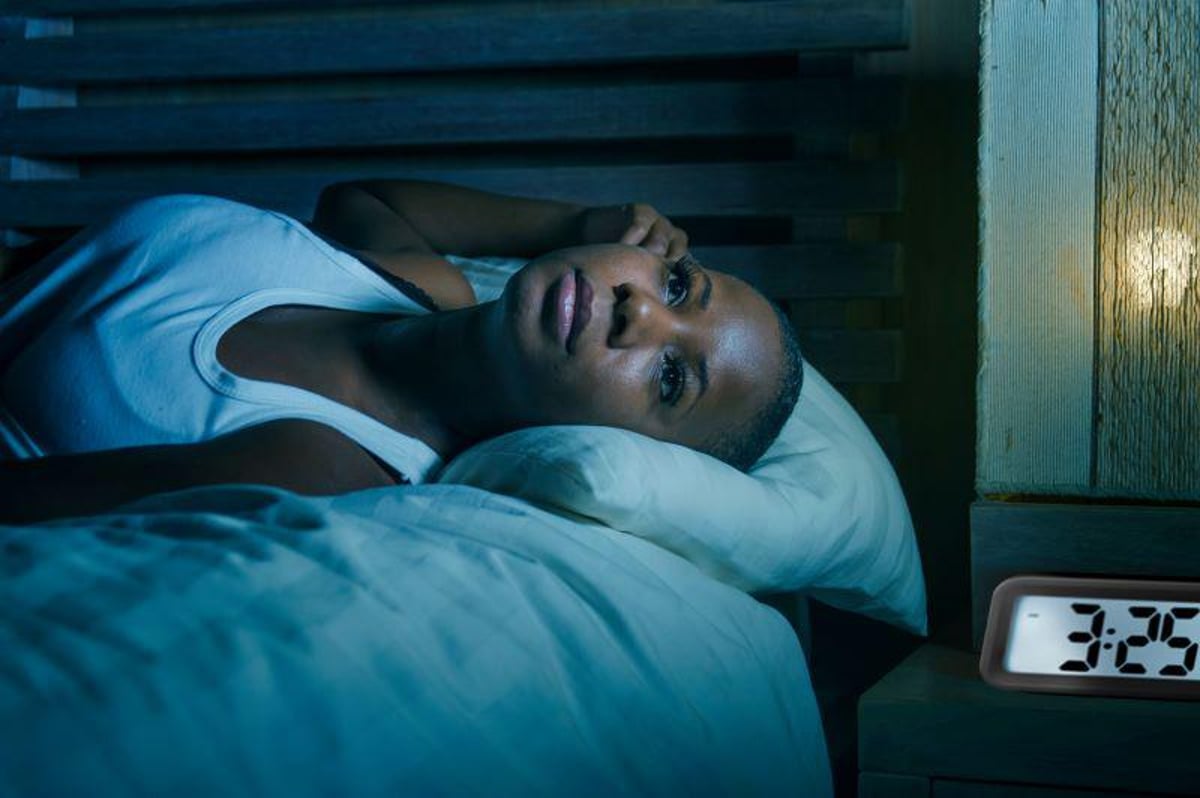
THURSDAY, June 23, 2022 (HealthDay News) -- Fifteen percent of U.S. adults had trouble falling asleep most days or every day over the past 30 days, according to a June data brief published by the U.S. Centers for Disease Control and Prevention National Center for Health Statistics.
Using data from the 2020 National Health Interview Survey, Dzifa Adjaye-Gbewonyo, Ph.D., from the National Center for Health Statistics in Hyattsville, Maryland, and colleagues determined the prevalence of sleep difficulties among adults in the United States by sociodemographic and geographic characteristics.
The researchers found that 14.5 percent of U.S. adults had trouble falling asleep most days or every day in the past 30 days in 2020. As educational attainment and family income decreased and as place of residence became more rural, the percentage of adults who had trouble falling asleep increased. The percentage of adults who had trouble staying asleep most days or every day in the past 30 days was higher for non-Hispanic White versus non-Hispanic Black, Hispanic, and non-Hispanic Asians (21.0 percent versus 15.4, 10.6, and 8.7 percent, respectively). As family income decreased and as place of residence became more rural, the percentage of adults who had trouble staying asleep increased.
"Overall, 14.5 percent of adults had trouble falling asleep and 17.8 percent of adults had trouble staying asleep," the authors write. "With increasing age, adults were less likely to have trouble falling asleep but more likely to have trouble staying asleep."
Related Posts
Transportation Barriers Linked to Worse Outcomes in Cancer Care
WEDNESDAY, April 26, 2023 (HealthDay News) -- For adults with and without cancer...
New COVID-19 Variant XBB Gaining Ground Among Americans
MONDAY, Nov. 28, 2022 (HealthDay News) -- U.S. health officials are tracking a...
Rapid Recovery Seen With More Frequent Dialysis in SNFs
THURSDAY, May 12, 2022 (HealthDay News) -- Rapid post-dialysis recovery time...