
WHO: 99 Percent of Planet’s Population Breathes Dirty Air
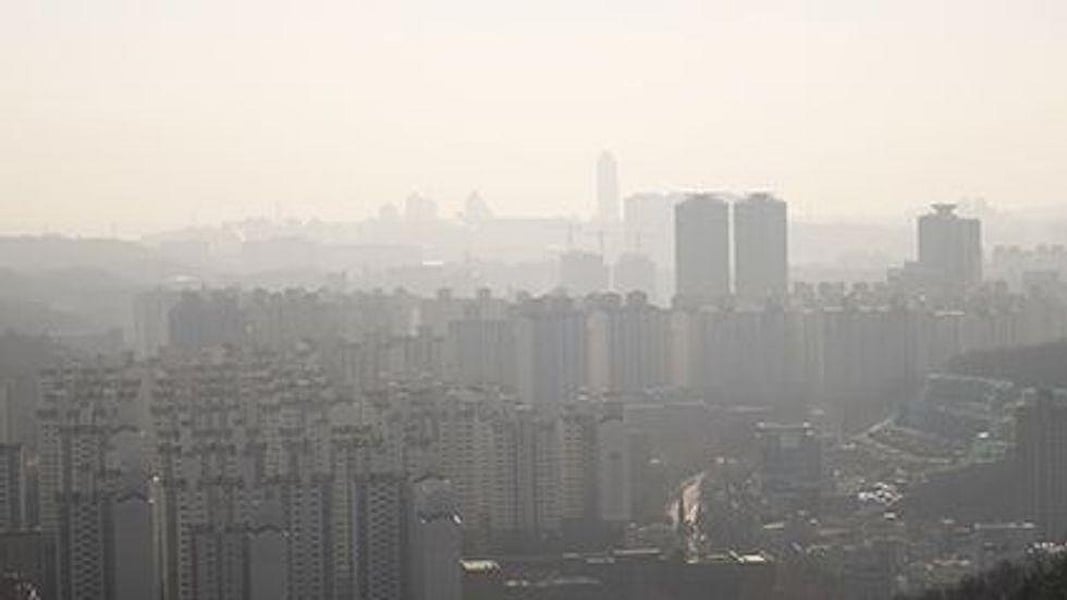
MONDAY, April 4, 2022 (HealthDay News) -- Almost no one in the world is breathing clean, healthy air, according to a new World Health Organization report, which issued a call for reducing the use of fossil fuels.
Air quality is the worst in the WHO Eastern Mediterranean and Southeast Asia regions, but 99 percent of the global population breathes air that exceeds air quality limits and contains disease-causing particles. Air quality is also especially poor in Africa.
"After surviving a pandemic, it is unacceptable to still have 7 million preventable deaths and countless preventable lost years of good health due to air pollution," Maria Neira, M.D., head of the WHO Department of Environment, Climate Change, and Health, said in a news release from the United Nations health agency. "Yet too many investments are still being sunk into a polluted environment, rather than in clean, healthy air."
The WHO database included PM₂.₅, PM₁₀ (particulate matter 2.5 and 10 micrometers small) and now ground measurements of nitrogen dioxide, the latter of which is generated through burning of fuel and is common in urban areas. WHO found the highest concentrations in the Eastern Mediterranean region.
"Particulate matter, especially PM₂.₅, is capable of penetrating deep into the lungs and entering the bloodstream, causing cardiovascular, cerebrovascular (stroke) and respiratory impacts," according to the WHO. "There is emerging evidence that particulate matter impacts other organs and causes other diseases as well."
Related Posts
¿Podría la meditación fortalecer al sistema inmunitario?
https://consumer.healthday.com/12-22-could-meditat... Credit: HealthDay
Study Looks at Race-Ethnicity-Gender Disparities in Statin Use
MONDAY, July 24, 2023 (HealthDay News) -- For several race-ethnicity-gender...
Los microplásticos dañan los intestinos de las aves marinas, y quizá también los de los humanos
MARTES, 30 de mayo de 2023 (HealthDay News) -- La contaminación con...
Flakes Are Falling Again: Here’s the Safe Way to Shovel Snow
THURSDAY, Nov. 24, 2022 (HealthDay News) -- Shoveling snow is a strenuous...