
When Pot Made Legal, Poisonings From Synthetic Pot Decline
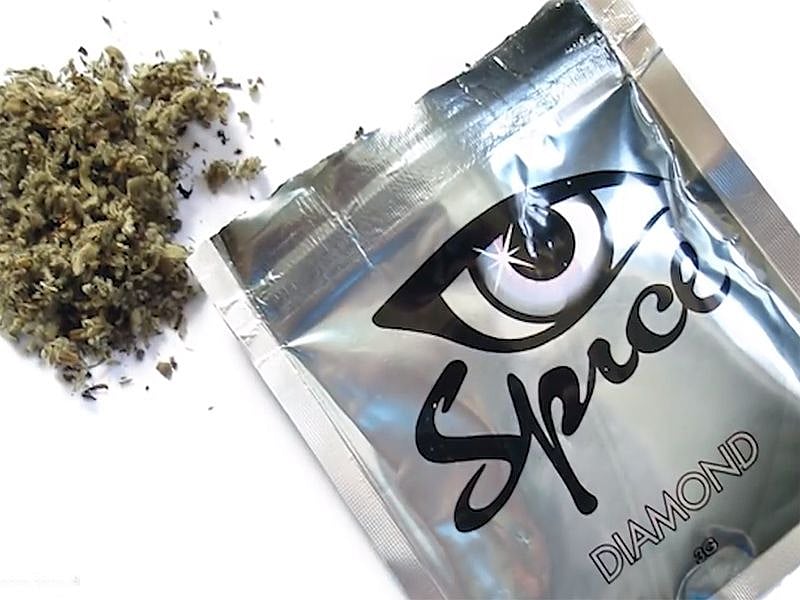
TUESDAY, Aug. 9, 2022 (HealthDay News) -- People appear less likely to turn to dangerous synthetic pot products in U.S. states where marijuana has been legalized, a new Washington State University study finds.
Researchers discovered a 37% drop in poisoning reports for illicit synthetic cannabinoids in states that have approved recreational use of marijuana, compared to states where pot is still restricted.
These synthetic products -- known by such street names as K2, Spice or AK-47 -- aren't actually cannabis. Instead, these designer drugs are crafted to work on the same receptors in the brain that respond to THC, the chemical in pot that causes intoxication.
The problem is that these synthetics bind to those receptors up to 100 times more strongly, researchers said, making them highly toxic and capable of causing severe impairment.
For the study, researchers analyzed about 7,600 reports of synthetic cannabinoid use received by the National Poison Data System from 2016 to 2019, about 65% of which required medical attention. There were also 61 deaths.
Reports of synthetic pot products went down overall during this period. However, there was a much more significant 37% drop-off in states allowing recreational weed, compared with 13% fewer reports in states allowing medical pot.
"This study shows some potential public health benefits to the legalization and regulation of adult use of cannabis," said study lead author Tracy Klein, a WSU associate professor of nursing.
"Based on both past research and this current study, it's evident that users who have a choice to use a less toxic product would potentially do so," Klein said in a university news release.
The study was published Aug. 9 in the Journal of Clinical Toxicology.
More information
The U.S. Centers for Disease Control and Prevention has more about synthetic cannabinoids.
SOURCE: Washington State University, news release, Aug. 9, 2022
Was this page helpful?
Related Posts
Un clima más caliente podría provocar que haya más crisis de salud mental
JUEVES, 24 de febrero de 2022 (HealthDay News) -- El calor extremo por el cambio...
Una de cada tres sobrevivientes a un cáncer sufre un linfedema
JUEVES, 10 de marzo de 2022 (HealthDay News) -- Tras sobrevivir a un cáncer,...
Cómo un ‘enero abstemio’ podría ayudar a su salud
JUEVES, 5 de enero de 2023 (HealthDay News) -- Tener un "enero abstemio", es...