
Were You a Big Baby at Birth? Your Infant May Be Also, Study Finds
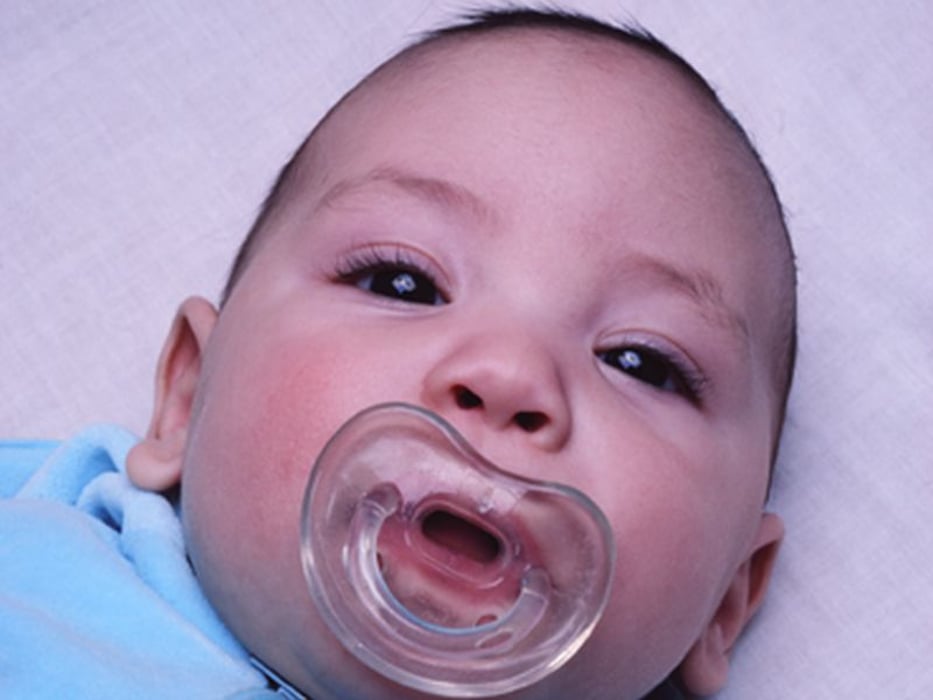
THURSDAY, Sept. 7, 2023 (HealthDay News) -- If you were a big baby -- or your spouse or partner was -- your baby has a good chance of being big, too.
New research shows parents who were large babies are more likely to give birth to a large baby.
Knowing this has the potential to improve prenatal care and interventions by identifying which pregnancies have higher risk of labor and delivery complications.
To study this, researchers combined information on parents' birthweight to pregnancies they parented, over 50 years. Data on nearly 648,000 singleton births in Norway were included.
Researchers defined macrosomia, the scientific word for a big baby, as 4,500 grams -- about 10 pounds.
About 3.2% of parents in the study were big babies, compared to 4% of their offspring.
Compared to both parents weighing less than 10 pounds, there was a more than sixfold increase in risk of a big baby if both had been big.
Even if only one parent was large, the risk was more than double if the father had been born big and more than three times if only the mother had been large.
The study also looked at the influence of maternal body mass index (BMI, a measure of body fat based on height and weight).
Among the group where both parents had been large, the proportion of big babies ranged from 17% when born to women who were at normal weight before pregnancy to 31% among women who were obese.
Having a large baby has increased risk for complications, said study author Cathrine Ebbing, of the University of Bergen in Norway.
While experts might expect that if a parent were big, evolutionary mechanisms would protect the mother and child against complications when the baby is also large, that risk was not substantially diminished, Ebbing said in a university news release.
This study may help lead to more targeted prenatal care and interventions, the authors said. Further research is needed.
The findings were published Sept. 2 in Paediatric and Perinatal Epidemiology.
More information
The U.S. Centers for Disease Control and Prevention has more on pregnancy complications.
SOURCE: University of Bergen, news release, Sept. 4, 2023
Related Posts
Las plantas de interiores podrían ayudarle a respirar mejor
JUEVES, 10 de marzo de 2022 (HealthDay News) -- ¿Quiere que el aire de...
Stress Urinary Incontinence? Know Your Surgical Options
TUESDAY, March 21, 2023 (HealthDay News) -- A lot of women experience stress...
‘Full House’ Star Bob Saget Found Dead in Florida Hotel Room
MONDAY, Jan. 10, 2022 (HealthDay News) – "Full House" actor and comic Bob Saget...