
Wearable Device-Detected Biomarkers Could ID Symptoms After Trauma
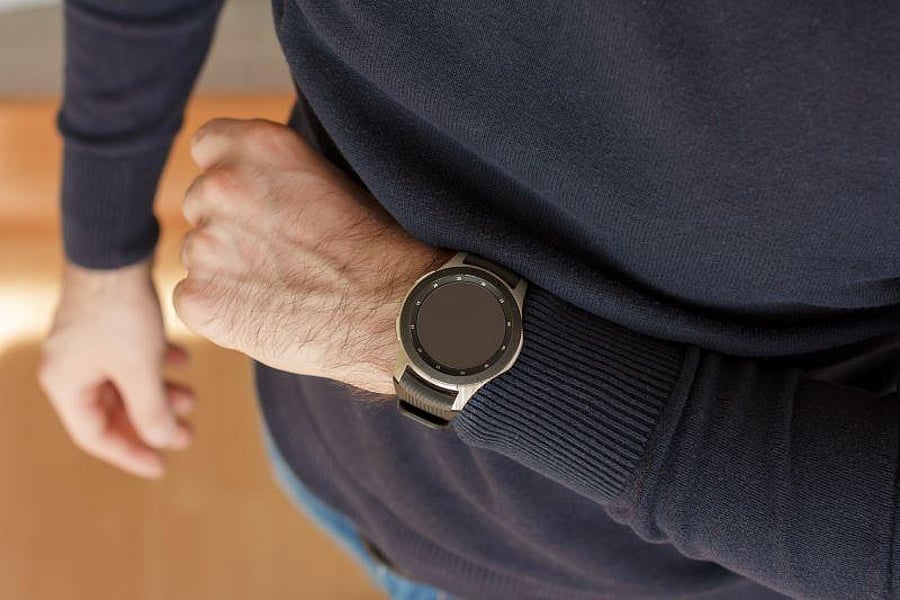
FRIDAY, Jan. 13, 2023 (HealthDay News) -- Biomarkers detected by a wrist-wearable device may be useful for screening for pain, sleep, and anxiety outcomes after exposure to trauma, according to a study published online Jan. 11 in JAMA Psychiatry.
Laura D. Straus, Ph.D., from the San Francisco VA Medical Center, and colleagues examined whether wrist-wearable devices can provide useful biomarkers for recovery after exposure to traumatic stress using data from a diverse cohort of individuals seen in the emergency department after experiencing a traumatic stress exposure. Participants wore wrist-wearable devices for eight weeks and completed serial assessments of neuropsychiatric symptoms. A total of 3,040 participants met the study criteria and 2,021 were included in the analysis; participants were divided into two groups of 1,010 for biomarker identification and validation.
The researchers found that in the derivation cohort, eight wrist-wearable device biomarkers for symptoms of adverse posttraumatic neuropsychiatric sequelae exceeded significance thresholds. Of these, reduced 24-hour activity variance was associated with increased pain severity. There were associations observed for changes in six rest activity measures with changes in pain over time; changes in the number of transitions between sleep and wake over time were associated with pain, sleep, and anxiety changes. Individuals with good recovery for pain, sleep, and anxiety were identified using simple cutoffs for these biomarkers (positive predictive values, 0.85, 0.63, and 0.76, respectively), with high predictive value.
"In the future, such biomarkers might be useful to identify trauma survivors who merit further evaluation for adverse trauma outcomes, particularly in vulnerable populations," the authors write.
Several authors disclosed financial ties to biopharmaceutical and medical technology companies, including Verily Life Sciences, which developed the wrist-wearable device used in the study and provided partial funding.
Abstract/Full Text (subscription or payment may be required)
Related Posts
AHA News: Nuevo año, ¿un tú más saludable? Así es como puedes mejorar tus patrones de alimentación
VIERNES, 6 de enero de 2023 (American Heart Association News) -- Perder peso es...
One Drug Clear Winner in Treating Acne: Review
MONDAY, July 31, 2023 (HealthDay News) – Millions of people live with acne, and...
Disparities Persist in CVD Mortality, Despite Overall Decline
TUESDAY, Feb. 28, 2023 (HealthDay News) -- Rural counties and counties with a...
Fewer HIV Tests, Cases ID’d in Children at Start of Pandemic
MONDAY, July 18, 2022 (HealthDay News) -- The number of HIV tests and cases...