
Vitamin D Supplementation May Aid New-Onset Pediatric T1DM
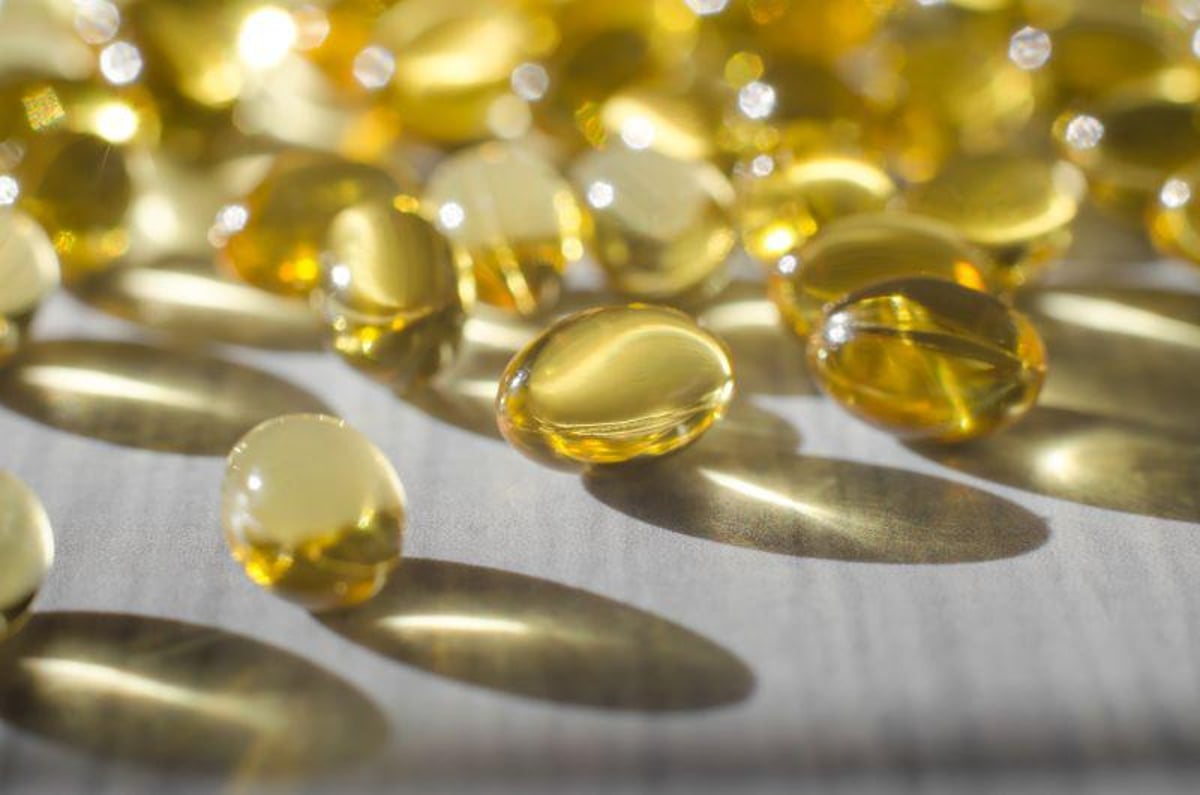
THURSDAY, Aug. 26, 2022 (HealthDay News) -- High-dose vitamin D supplementation in pediatric patients with new-onset type 1 diabetes may reduce complications, according to a study published online Aug. 18 in Frontiers in Endocrinology.
Benjamin Udoka Nwosu, M.D., from the Feinstein Institutes for Medical Research in Manhasset, New York, and the Zucker School of Medicine at Hofstra/Northwell in New Hyde Park, New York, randomly assigned 36 children and adolescents with type 1 diabetes to receive either vitamin D2 (ergocalciferol, given as 50,000 international units per week for two months and then every other week for 10 months) or a placebo.
The researchers found that vitamin D was significantly associated with a lower temporal rise in hemoglobin A1c at a mean rate of change of 0.14 percent every three months versus 0.46 percent every three months for the placebo group. Additionally, vitamin D was significantly associated with the functional marker of partial clinical remission, the insulin-dose adjusted hemoglobin A1c at a mean rate of change of 0.30 percent every three months versus 0.77 percent every three months for the placebo group.
“We recommend a baseline estimation of 25(OH)D concentration at the time of diagnosis of type 1 diabetes, and to begin vitamin D supplementation if serum 25(OH)D concentration is <30 ng/mL, to maintain serum 25(OH)D concentrations between 30 to 60 ng/mL,” Nwosu writes.
Related Posts
Nonacceptance of Statin Recommendation Common, Especially for Women
TUESDAY, Feb. 28, 2023 (HealthDay News) -- For patients at high cardiovascular...
One Personality Type Is More Prone to Be an Anti-Vaxxer
FRIDAY, Aug. 4, 2023 (HealthDay News) -- When studying which personality types...
BP Genetic Risk Score Linked to Risk for CV Events in Type 2 Diabetes
MONDAY, April 4, 2022 (HealthDay News) -- For individuals with type 2 diabetes,...
CDC Warns of Rise of Drug-Resistant Shigella Bacteria
MONDAY, Feb. 27, 2023 (HealthDay News) -- Public health officials are warning...