
TXA Seems Safe for Surgery in High-Risk Patients With IT Hip Fracture
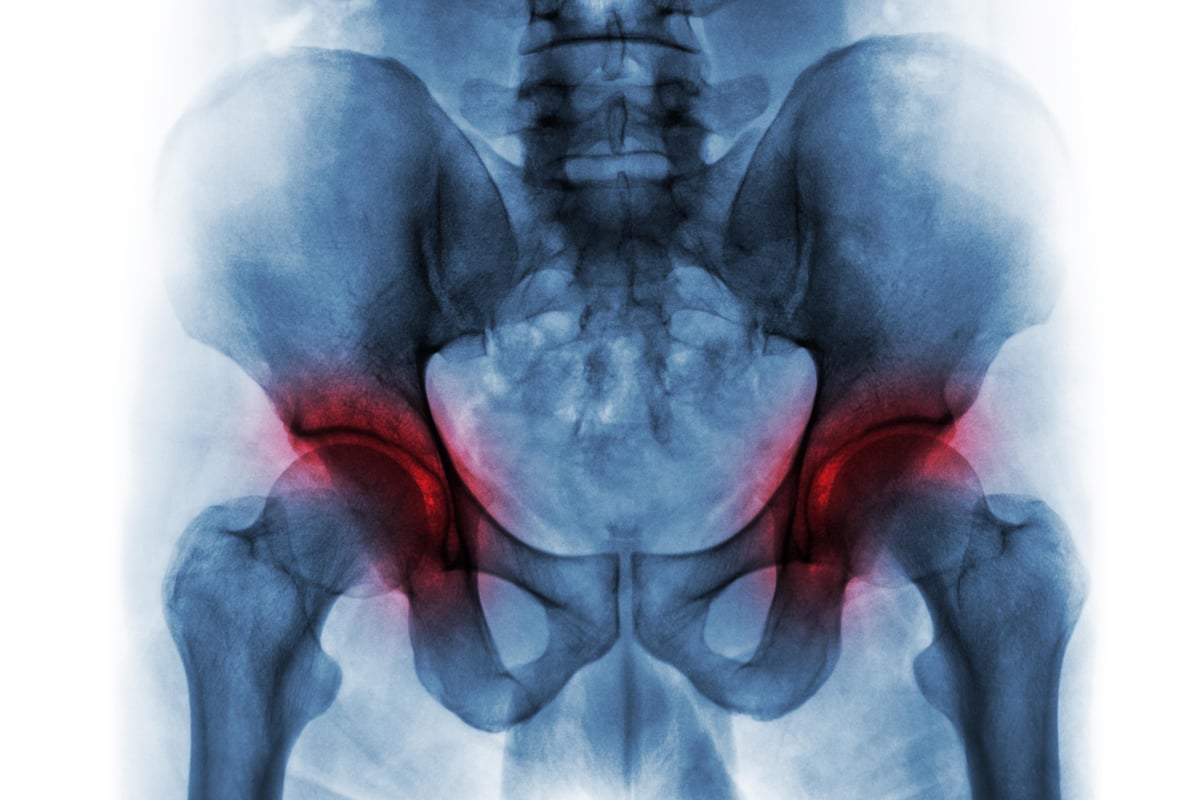
THURSDAY, May 12, 2022 (HealthDay News) -- For high-risk patients undergoing surgical repair for intertrochanteric hip fracture, tranexamic acid (TXA) is not associated with an increased risk for mortality or thromboembolic complications, according to a study published online April 29 in the Journal of Bone & Joint Surgery.
Steven B. Porter, M.D., from the Mayo Clinic in Jacksonville, Florida, and colleagues examined the impact of TXA administration on the risk for thromboembolic complications or mortality among patients with an intertrochanteric hip fracture. Postoperative mortality, deep venous thrombosis, pulmonary embolism, myocardial infarction, and stroke within 90 days of surgery were evaluated for two propensity-score matched cohorts: a high-risk cohort (141 receiving TXA and 141 not receiving TXA) and the entire population (316 receiving TXA and 316 not receiving TXA).
The researchers observed no association between TXA administration and increased risk for mortality or complications in either group. In the high-risk group, there were no differences in mortality, deep venous thrombosis, pulmonary embolism, myocardial infarction, or stroke.
"This study provides support for TXA administration's safety profile for all patients presenting for surgical repair of intertrochanteric fractures," the authors write.
Abstract/Full Text (subscription or payment may be required)
Related Posts
Eligibility Limited for Anti-β Amyloid mAbs in Seniors With MCI
FRIDAY, Aug. 18, 2023 (HealthDay News) -- Older adults with cognitive impairment...
Una terapia de ‘descargas en el cerebro’ tiene potencial para calmar el TDAH infantil sin fármacos
LUNES, 7 de agosto de 2023 (HealthDay News) -- Una nueva tecnología de descargas...
Youth Suicides Up With Shortage of Mental Health Professionals
MONDAY, Nov. 21, 2022 (HealthDay News) -- Mental health professional workforce...
Interventions to Promote Physical Activity May Benefit Asthma Patients
MONDAY, Jan. 10, 2022 (HealthDay News) -- Interventions that promote physical...