
Top Medical Groups, Hospitals Urge Better Access to Lung Cancer Screening
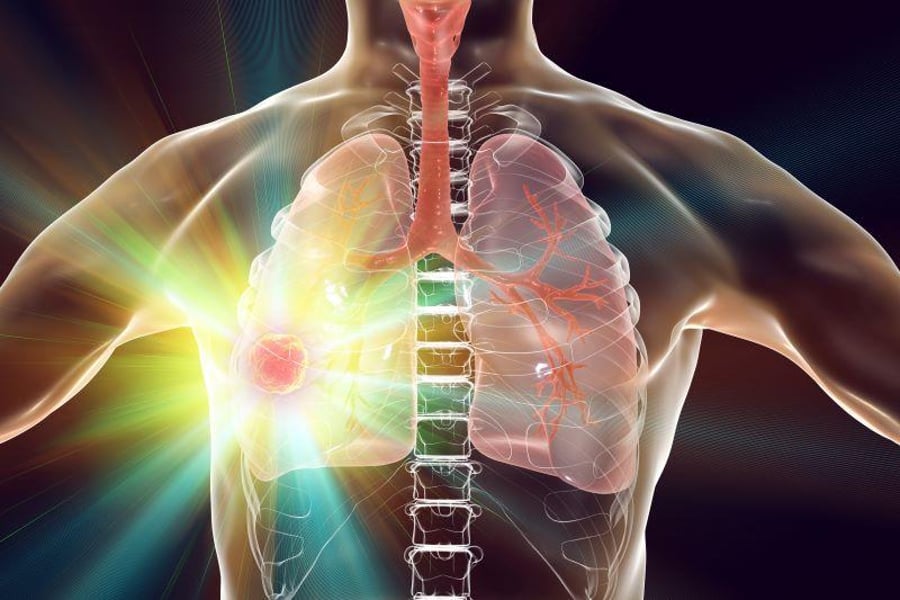
WEDNESDAY, Nov. 2, 2022 (HealthDay News) -- Screening tests routinely catch cases of breast and colon cancer early, but a screening test for lung cancer is sorely underused in high-risk people and that needs to change, more than 50 cancer organizations said in a joint statement issued Tuesday.
Low-dose computed tomography (CT) screening is recommended for people who are more likely to develop lung cancer, yet only 5.7 percent of people who are eligible get screened, the groups noted in a call to action for more screening.
The cancer groups are urging high-risk individuals, their health care providers, and insurers to do their part. Recommendations include a national education campaign, leveraging tobacco prevention and cessation resources to encourage screening, improving access to screening, and requiring Medicaid coverage for guideline-based screening. The groups also urged finding ways to create fair access to screening, prioritizing quality measures to increase screening, and investing in comprehensive screening sites.
Since 2013, the U.S. Preventive Services Task Force has recommended low-dose CT scans for high-risk groups, which means it is now covered by most insurance plans. The task force expanded screening eligibility criteria last year. It is now recommended for people aged 50 to 80 years who have smoked 20 pack-years, or about a pack a day for 20 years or two packs a day for 10 years. People who smoked that much but who have quit within the past 15 years are also eligible.
About 14.5 million Americans are eligible for the screening. With early detection, as many as 60,000 people each year who would have died of lung cancer would instead live, the groups said.
The 5.7 percent screening rate for lung cancer was tabulated even before the pandemic prompted drops in screening rates for all cancers. Meanwhile, screening rates for breast, cervical, and colon cancers range from 67 to 76 percent. Unfortunately, a number of barriers exist that keep high-risk people from getting this essential screening. Among them are simply a lack of awareness by both patients and providers, the group said.
Related Posts
ECG Anomalies May Affect Accuracy of Smartwatch A-Fib Diagnosis
WEDNESDAY, Oct. 12, 2022 (HealthDay News) -- In almost 20 percent of patients, a...
Mortality Up for Patients With Diabetes and Cardiovascular Disease
WEDNESDAY, May 24, 2023 (HealthDay News) -- Mortality from both diabetes...
2016 to 2020 Saw Increase in Hepatitis C Infection in Pregnancy
TUESDAY, April 11, 2023 (HealthDay News) -- From 2016 to 2020, there was an...
Los tipos de psicoterapia: cómo encontrar la que mejor se adapte a sus necesidades
MIÉRCOLES, 22 de febrero de 2023 (HealthDay News) -- Hay ayuda disponible para...