
Studies Explore Risks for Exposure to Antenatal Corticosteroids
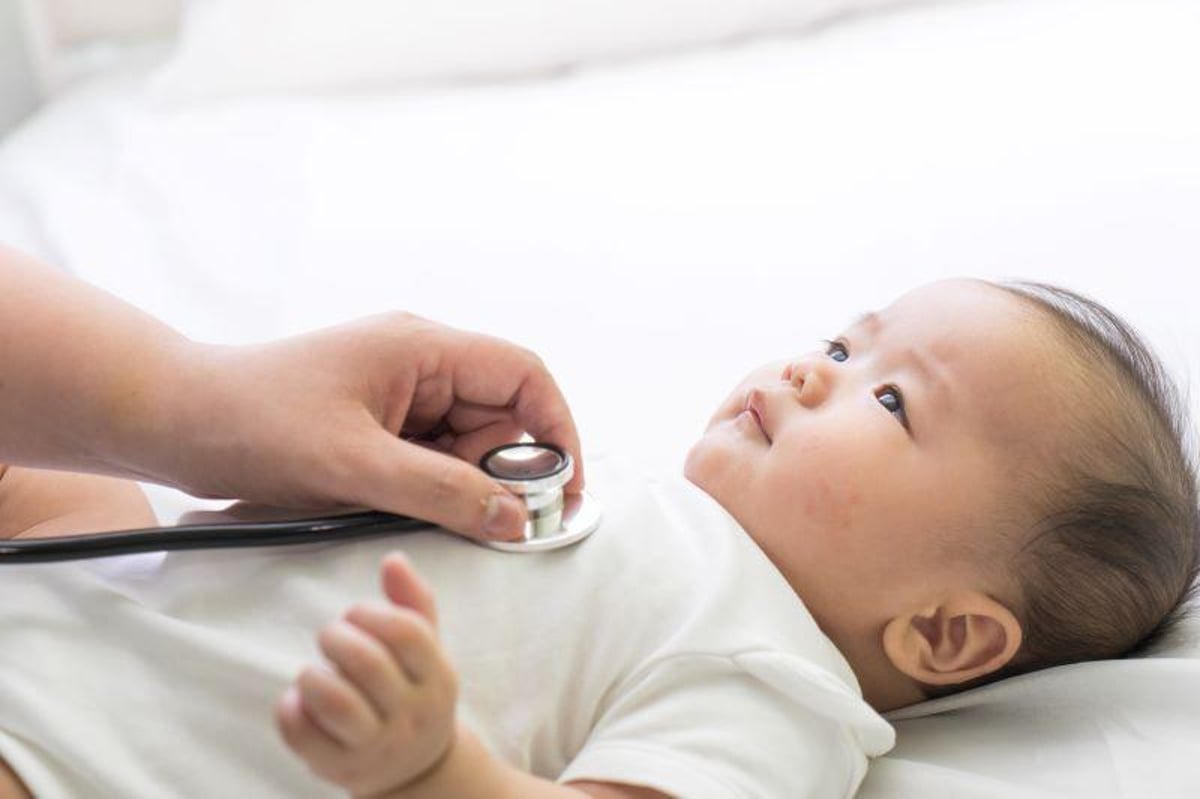
WEDNESDAY, Aug. 9, 2023 (HealthDay News) -- Exposure to antenatal corticosteroids is associated with serious infection in children and with increased short- and long-term adverse health outcomes, according to two studies published online Aug. 2 in The BMJ.
Tsung-Chieh Yao, M.D., Ph.D., from Chang Gung Memorial Hospital in Taoyuan, Taiwan, and colleagues examined the associations between exposure to antenatal corticosteroids and serious infection in children during the first 12 months of life in a nationwide cohort study. Data were included from 1,960,545 pairs of pregnant individuals and their singleton offspring: 45,232 children were exposed and 1,915,313 were not exposed to antenatal corticosteroids. The researchers found that children exposed to antenatal corticosteroids had significantly higher risks for overall serious infection, sepsis, pneumonia, and acute gastroenteritis during the first six months of life (adjusted hazard ratios, 1.32, 1.74, 1.39, and 1.35, respectively). Similarly higher risks were seen from birth to 12 months of life.
Kiran Ninan, from McMaster University in Hamilton, Ontario, Canada, and colleagues conducted a systematic review and meta-analysis of eight databases to examine the short- and long-term outcomes for infants with early exposure to antenatal corticosteroids, born at term or late preterm. Data were included from seven randomized controlled trials and 10 population-based cohort studies (total, 1.6 million infants). The researchers found that among children born at term (approximately 40 percent of total), risks were increased for admission to neonatal intensive care (odds ratio, 1.49), intubation (unadjusted relative risk, 2.59), reduced head circumference (adjusted mean difference, −0.21), and any long-term neurodevelopmental or behavioral disorder (adjusted hazard ratio, 1.47) in association with early exposure versus no exposure to antenatal corticosteroids.
"These studies highlight the challenge of preventive treatments in fetal and neonatal medicine and should remind clinicians and parents that there is no such thing as a risk-free drug," write the authors of an accompanying editorial.
Related Posts
MRI Index Can Predict Postop Recurrence in Crohn Disease
MONDAY, June 20, 2022 (HealthDay News) -- A magnetic resonance imaging (MRI)...
Es menos probable que los pacientes de las minorías reciban los fármacos más recientes para el Alzheimer
MARTES, 4 de octubre de 2022 (HealthDay News) -- Aunque ciertos grupos...
Do Your Genes Up Your Odds for Alcoholism? One Factor Cuts the Risk
THURSDAY, Sept. 16, 2021 (HealthDay News) -- Even when genetics and personality...
N95 Respirators Can Be Reprocessed Using Vaporized Hydrogen Peroxide
WEDNESDAY, Jan. 12, 2022 (HealthDay News) -- Reprocessing of N95 respirators...