
Skin Sensitivity Can ID Responders to Galcanezumab for Migraine Prevention
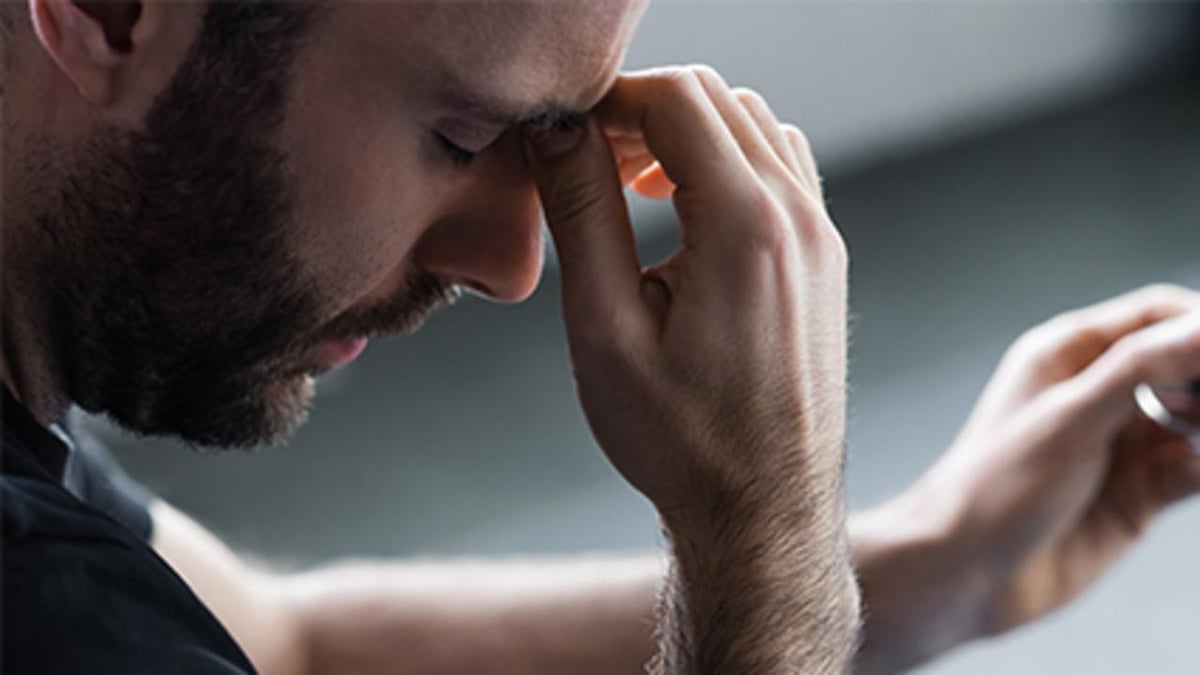
TUESDAY, Feb. 21, 2023 (HealthDay News) -- The presence or absence of nonictal allodynia can be used to identify migraine sufferers who will likely respond to galcanezumab, according to a study published online Feb. 14 in Cephalalgia.
Sait Ashina, M.D., from the Beth Israel Deaconess Medical Center in Boston, and colleagues assessed whether it is possible to identify a patient's response to prophylactic treatment with galcanezumab based on the presence or absence of cephalic and/or extracephalic allodynia during the pretreatment nonictal phase of migraine.
The researchers found that using strict criteria for allodynia (heat, 32 to 40 degrees Celsius; cold, 32 to 20 degrees Celsius; mechanical, <60 g), the incidence of pretreatment nonictal cephalic allodynia was 21 percent in the 24 responders (>50 percent decrease in monthly migraine days) and 85 percent in the 19 nonresponders. The incidence of nonictal extracephalic allodynia was less accurate in distinguishing responders from nonresponders. The incidence of nonictal cephalic allodynia was similar for both chronic migraine and high-frequency episodic migraine.
"This is yet another novel finding that points to the possibility that the state of non-ictal allodynia may be attributed to molecular, cellular, and/or physiological properties of central trigeminovascular neurons and brain areas that regulate their excitability that are due to the genetic load of the individual patient rather than the pathophysiological state of disease," the authors write.
Two authors disclosed financial ties to the pharmaceutical industry; galcanezumab was provided by Eli Lilly, which funded parts of the study.
Related Posts
More Than 234,000 Pounds of Ham, Pepperoni Recalled Due to Listeria
MONDAY, Dec. 6, 2021 (HealthDay News) -- Nearly 235,000 pounds of fully cooked...
Studies Show COVID Boosters Remain Effective for Months
FRIDAY, Feb. 11, 2022 (HealthDay News) -- The power of COVID booster shots do...
Positive Childhood Experiences May Cut Risk for Adult Health Problems
TUESDAY, June 20, 2023 (HealthDay News) -- Positive childhood experiences (PCEs)...
No confíe en los consejos de sueño de YouTube, recomienda un estudio
MARTES, 28 de febrero de 2023 (HealthDay News) -- Si tiene problemas para...