
Shorter Life Spans for Elderly Living Downwind of Fracking Sites: Study
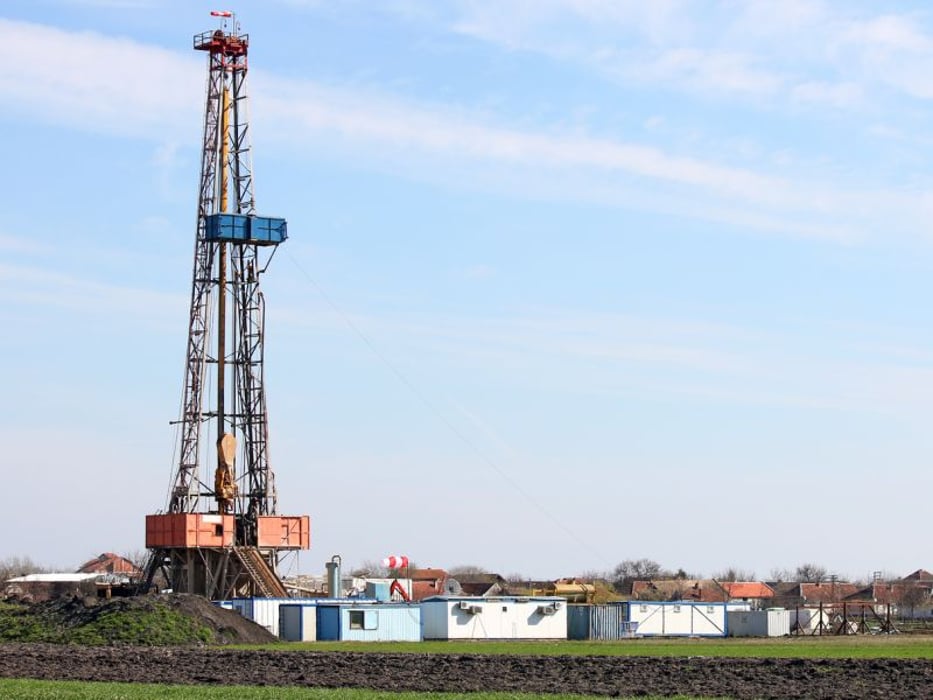
FRIDAY, Jan. 28, 2022 (HealthDay News) -- Older people who live near or downwind of fracking sites have an increased risk of premature death, likely due to airborne contaminants from the sites, according to a new study.
"There is an urgent need to understand the causal link between living near or downwind of [unconventional oil and gas development] and adverse health effects," said study co-author Francesca Dominici. She is co-director of the Data Science Initiative at Harvard T.H. Chan School of Public Health, in Boston.
For the study, the researchers analyzed data on more than 15 million Medicare beneficiaries who lived in all major U.S. fracking exploration regions between 2001 and 2015.
Those who lived closest to fracking sites had a 2.5% higher risk of premature death than those who didn't live close to such sites — a statistically significant difference, the study authors noted in a school news release.
The Harvard team also found that people who lived near or downwind of unconventional oil and gas development (UOGD) sites had a higher risk of premature death than those living upwind.
The findings were published Jan. 27 in the journal Nature Energy.
"Our findings suggest the importance of considering the potential health dangers of situating UOGD near or upwind of people's homes," said lead author Longxiang Li, a postdoctoral fellow in the department of environmental health.
Senior author Petros Koutrakis, a professor of environmental sciences, noted that while UOGD is a major industrial activity in the United States, "very little is known about its public health effects."
Koutrakis said the new study is the first to link death rates to exposure to UOGD-related air pollutants.
About 17.6 million Americans live within 6/10 of a mile of at least one active fracking site.
Previous research has linked fracking to increased human exposure to harmful substances in the air and water. It has also linked exposure to fracking with pregnancy, lung, heart and cancer risks.
But little was known about whether fracking was associated with increased risk of premature death in seniors, or how it might increase that risk.
More information
For more about fracking and health, visit the U.S. National Institute of Environmental Health Sciences.
SOURCE: Harvard T.H. Chan School of Public Health, news release, Jan. 27, 2022
Related Posts
2004 to 2017 Saw Increase in Appendiceal Cancer
MONDAY, March 28, 2022 (HealthDay News) -- Incidence of appendiceal cancer...
Lockdowns May Not Have Harmed Toddlers’ Language Learning: Studies
WEDNESDAY, Feb. 9, 2022 (HealthDay News) -- The pandemic has dramatically...
Los datos confirman que el jugo de arándano ayuda a prevenir las ITU
MIÉRCOLES, 26 de abril de 2023 (HealthDay News) -- Durante décadas, se les ha...
Sleep Problems Tied to Later Cognitive Decline, Dementia
MONDAY, Sept. 26, 2022 (HealthDay News) -- Long time in bed (TIB) and early...