
Screening Nonsmokers May Up Lung Cancer Overdiagnosis, Spurious Survival Rates
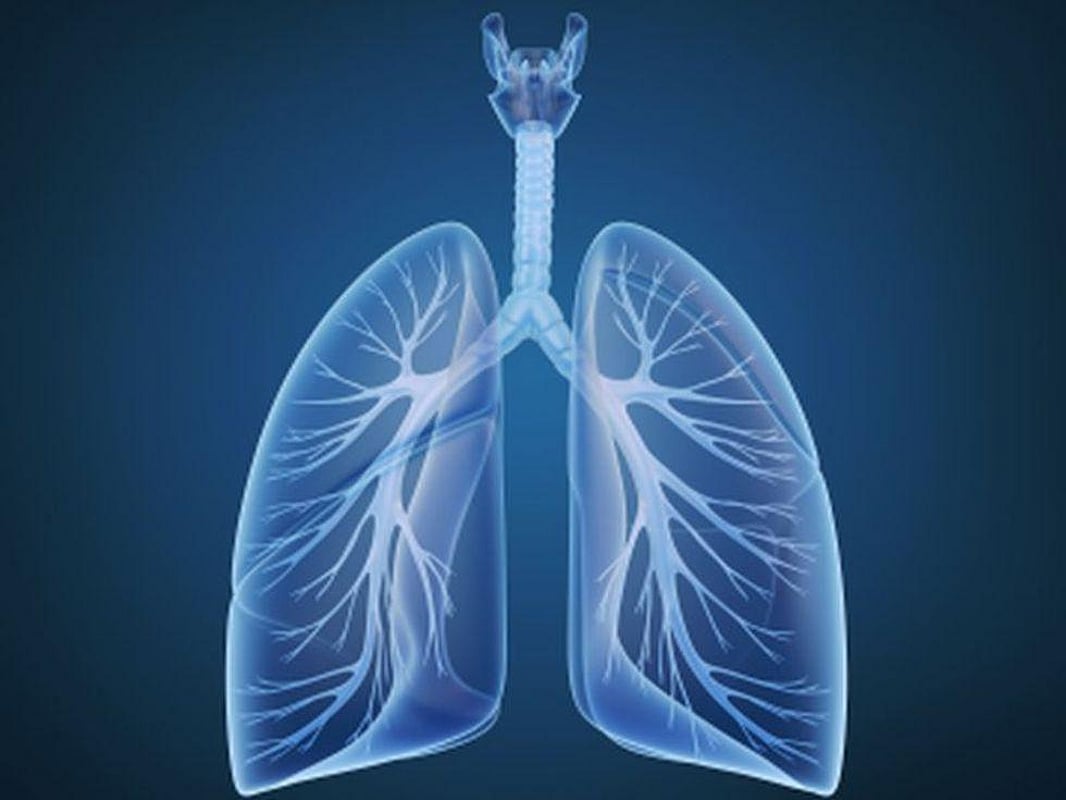
WEDNESDAY, Jan. 26, 2022 (HealthDay News) -- Low-dose computed tomography (LDCT) screening of mostly nonsmoking Asian women is associated with considerable early-stage lung cancer overdiagnosis, according to a study published online Jan. 18 in JAMA Internal Medicine.
Wayne Gao, Ph.D., from Taipei Medical University in Taiwan, and colleagues used data from the Taiwan Cancer Registry to identify women diagnosed with lung cancer between 2004 and 2018. The association of lung cancer incidence with the promotion of screening in a largely nonsmoking population was evaluated.
The researchers found that after the introduction of LDCT screening, the incidence of early-stage (stages 0 to I) lung cancer in women increased more than sixfold, from 2.3 to 14.4 per 100,000 population. For late-stage (stages II to IV) lung cancer, no change in incidence was observed (absolute difference, 0.6; 95 percent confidence interval, –0.5 to 1.7). Virtually all the additional cancers detected represent overdiagnosis, the authors said, because the early-stage cancers were not accompanied by a concomitant decline in late-stage cancers. Mortality remained stable, but five-year survival more than doubled from 2004 to 2013, because of increased detection of indolent early-stage lung cancers.
"Unless randomized trials can demonstrate some value to low-risk groups, LDCT screening should remain targeted only to heavy smokers," the authors write.
Related Posts
AHA News: What’s New This Year For School Lunches?
TUESDAY, Aug. 9, 2022 (American Heart Association News) -- In the past, school...
Closed-Loop System Improves Glycemic Control in Young Children With T1DM
FRIDAY, Jan. 21, 2022 (HealthDay News) -- Compared with sensor-augmented pump...
Smoking Is Causally Associated With Psoriasis Risk
WEDNESDAY, July 20, 2022 (HealthDay News) -- Smoking, but not alcohol...
37 Percent Diagnosed With Type 1 Diabetes After Age 30
MONDAY, Sept. 25, 2023 (HealthDay News) -- Diagnosis of type 1 diabetes often...