
Risk for Esophageal Adenocarcinoma Not Increased With Nonerosive GERD
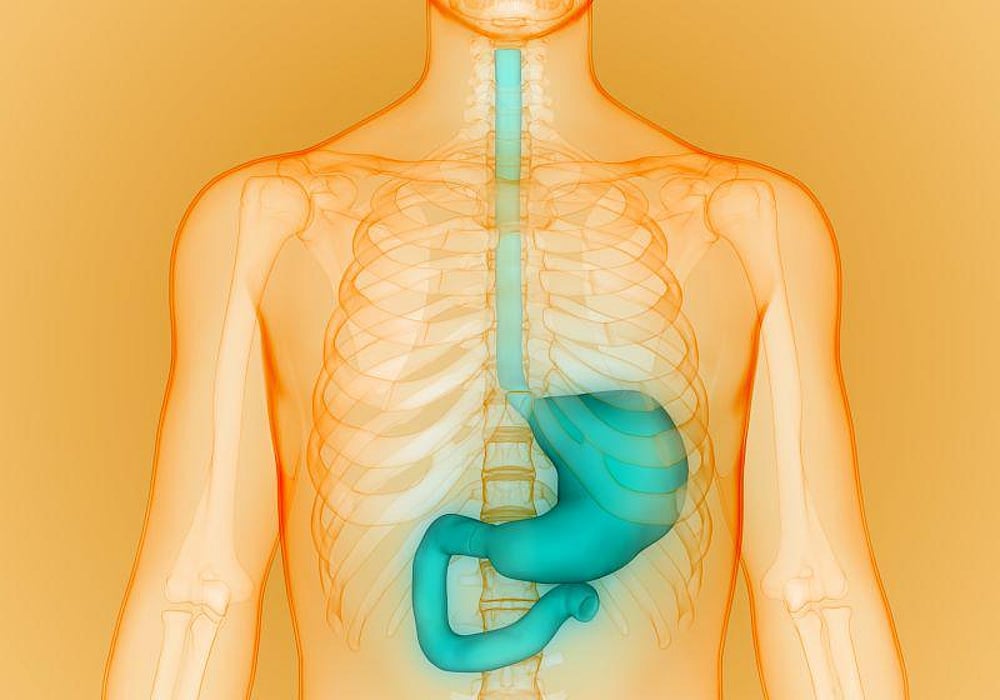
WEDNESDAY, Sept. 20, 2023 (HealthDay News) -- Patients with nonerosive gastroesophageal reflux disease (GERD) do not have an increased risk for esophageal adenocarcinoma compared with the general population, according to a study published online Sept. 13 in The BMJ.
Dag Holmberg, M.D., Ph.D., from Karolinska Institutet in Stockholm, and colleagues conducted a population-based cohort study to examine the incidence rate of esophageal adenocarcinoma among patients with nonerosive GERD versus the general population. A total of 486,556 adults who underwent endoscopy were included: 285,811 were included in the nonerosive GERD cohort and 200,745 were in the validation cohort with erosive GERD.
The researchers found that during 2,081,051 person-years of follow-up, 228 of the patients with nonerosive GERD developed esophageal adenocarcinomas (incidence rate, 11.0/100,000 person-years). The incidence was comparable to that in the general population, and no increase was seen in incidence with longer follow-up. Among those with erosive esophagitis at endoscopy, there were 542 esophageal adenocarcinomas during 1,750,249 person-years (incidence rate, 31.0/100,000 person-years), with an increased overall standardized incidence ratio of 2.36, which became more pronounced with longer follow-up.
"Our study suggests that these repeated gastroscopies are probably unnecessary for people with reflux disease who have a normal esophageal mucosa," Holmberg said in a statement. "These findings should be reassuring for this large patient group and can guide general practitioners who often treat them."
Related Posts
Alabama Cases of Acute Hepatitis in Kids Show Link to Viruses: CDC
FRIDAY, April 29, 2022 (HealthDay News) -- The origins of a continuing outbreak...
In Face of Tripledemic, CVS and Walgreens Limit Purchases of Kids’ Pain Meds
TUESDAY, Dec. 20, 2022 (HealthDay News) -- As a tripledemic of the flu, COVID...
Surgery Outcomes No Different for Male, Female GI Surgeons
THURSDAY, Sept. 29, 2022 (HealthDay News) -- The outcomes of surgeries do not...