
Respiratory Infections Temporally Linked to Kawasaki Disease
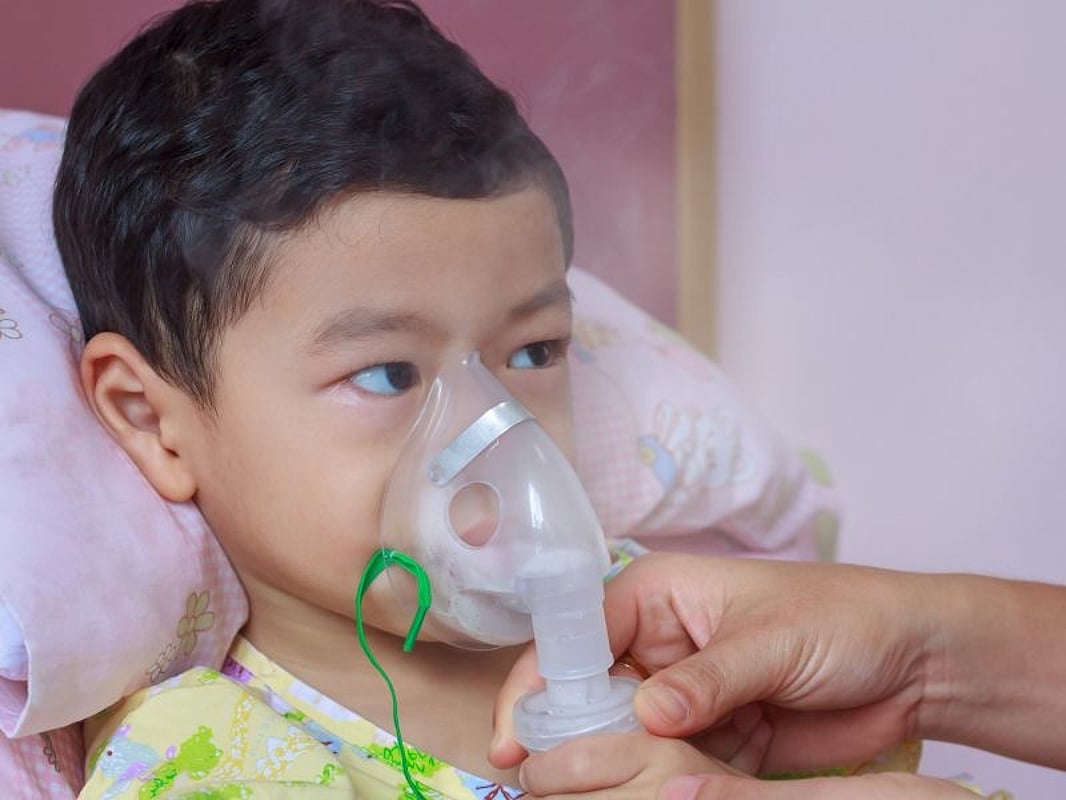
MONDAY, Feb. 7, 2022 (HealthDay News) -- Respiratory infections in children are associated with Kawasaki disease (KD) at one to three months before KD outbreaks, according to a study published online Feb. 7 in JAMA Network Open.
Ji-Man Kang, M.D., from the Yonsei University College of Medicine in Seoul, South Korea, and colleagues examined the temporal correlation between KD and viral infection among individuals aged 0 to 19 years diagnosed with KD between January 2010 and September 2020. A total of 53,424 individuals with KD were identified; 82.9 percent were younger than 5 years.
The researchers found that 16.9 percent of individuals had intravenous immunoglobulin-resistant KD and 0.7 percent had coronary artery abnormalities. Of 14 infectious diseases included in the analyses, rhinovirus infection outbreaks were identified as significantly correlated at one to three months before KD outbreaks; respiratory syncytial virus infection outbreaks were significantly correlated at two months before KD outbreaks; and varicella outbreaks were significantly correlated at two and three months before KD outbreaks (r = 0.3, 0.5, and 0.7, respectively).
"Our findings suggest a temporal correlation between a set of respiratory viral infections preceding onset of KD in a large complete national data from South Korea. As such, constant monitoring of trends in infectious diseases and KD incidence is recommended," the authors write.
Related Posts
First U.S. Monkeypox Death Confirmed in California
TUESDAY, Sept. 13, 2022 (HealthDay News) -- Monkeypox was the cause of death in...
Physician’s Briefing Weekly Coronavirus Roundup
Here is what the editors at Physician's Briefing chose as the most important...
Risk for Atrial Fibrillation Recurrence Increases With Body Weight
TUESDAY, April 5, 2022 (HealthDay News) -- Rates of atrial fibrillation (AF)...
California Cases Show Home-Grown Leprosy Is Still a Threat
THURSDAY, June 29, 2023 (HealthDay News) -- Leprosy is an ancient infectious...