
Residential Green Space May Aid Cognition in Adult Women
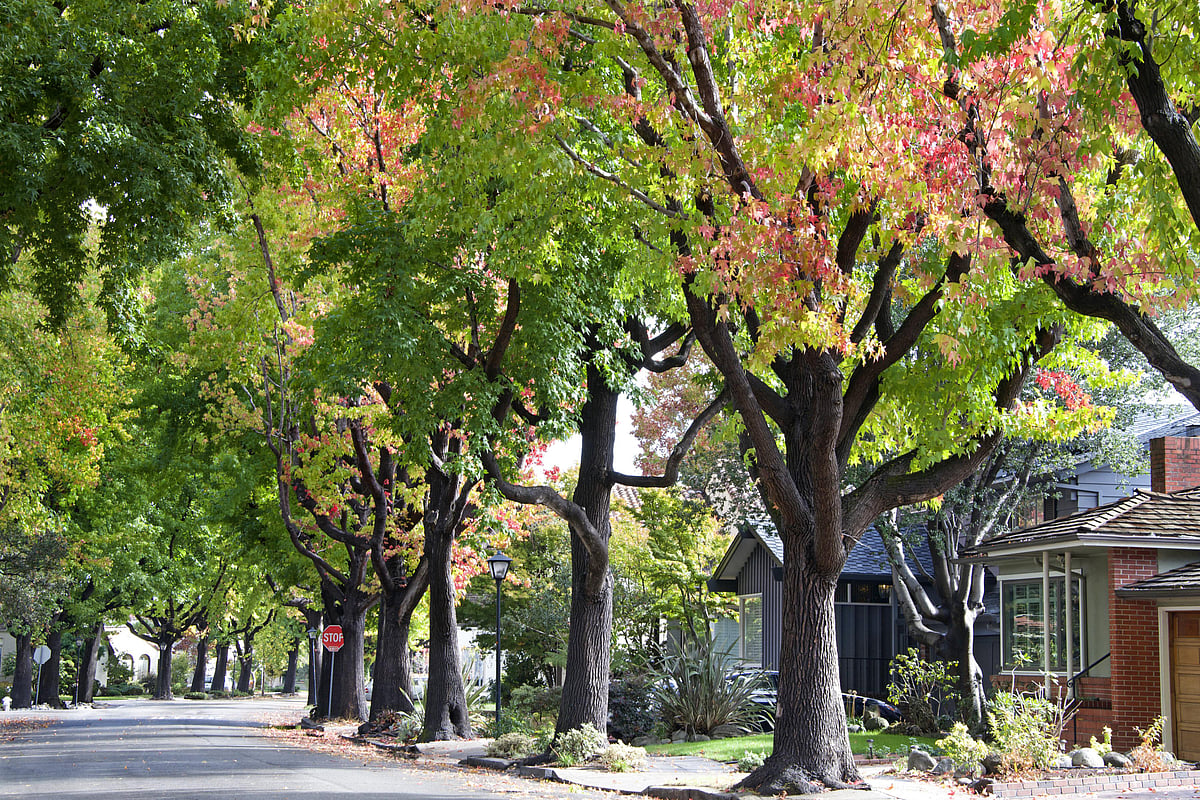
THURSDAY, April 28, 2022 (HealthDay News) -- Increasing access to residential green space may be associated with modest benefits in cognition in adult women, according to a study published online April 27 in JAMA Network Open.
Marcia P. Jimenez, Ph.D., from the Harvard T. H. Chan School of Public Health in Boston, and colleagues examined whether residential green space was associated with cognitive function in middle-aged women. The analysis included 13,594 female nurses (aged 25 to 42 years between 2014 and 2016) participating in the Nurses’ Health Study II who completed an online cognitive battery.
The researchers found that when adjusting for age at assessment, race, childhood and adulthood socioeconomic status, and neighborhood socioeconomic status, green space was associated with higher scores on the global Cogstate composite and psychomotor speed/attention. This difference in scores was roughly equivalent to the difference in women 1 year apart in age. The investigators did not observe any association between green space and learning/working memory.
"The worldwide aging population and the rapid increase of dementia calls for novel prevention strategies," the authors write. "Our results suggest that green space exposure should be investigated as a potential population-level approach to improve cognitive function."
Related Posts
El envejecimiento de las sobrevivientes a un cáncer de mama es más rápido, según un estudio
VIERNES, 21 de julio de 2023 (HealthDay News) -- Las mujeres que han sobrevivido...
Health Highlights: Feb. 8, 2023
Big changes are coming to health care after pandemic emergencies expire. People...
Fluoride Toothpaste, Make Room for a New Competitor
TUESDAY, July 18, 2023 (HealthDay News) -- Fluoride may have found its match in...
Head-to-Head Study Finds Which Diabetes Meds Are Best for the Heart
TUESDAY, May 9, 2023 (HealthDay News) -- There are many medications for type 2...