
Removing Small, Asymptomatic Kidney Stones Beneficial
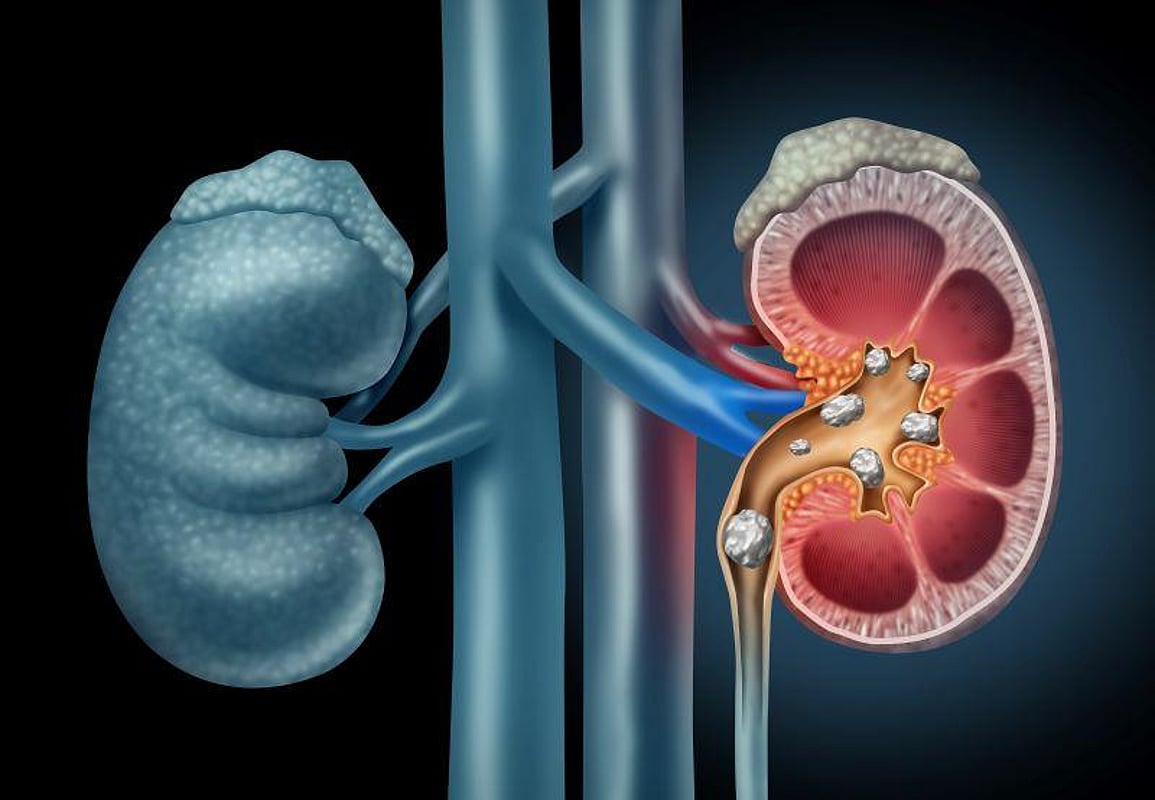
THURSDAY, Aug. 11, 2022 (HealthDay News) -- Removing small, asymptomatic stones during endoscopic removal of ureteral or contralateral kidney stones is beneficial, according to a study published in the Aug. 11 issue of the New England Journal of Medicine.
Mathew D. Sorensen, M.D., from the University of Washington School of Medicine in Seattle, and colleagues conducted a randomized trial in which remaining small, asymptomatic stones were removed in 38 patients and not removed in 35 patients during the endoscopic removal of ureteral or contralateral kidney stones.
The researchers found that the treatment group had a longer time to relapse than the control group after a mean follow-up of 4.2 years. Compared with the control group, the restricted mean time to relapse was 75 percent longer in the treatment group (1,631.6 versus 934.2 days). Compared with the control group, the treatment group had a lower risk for relapse (hazard ratio, 0.18), with 16 and 63 percent of patients in the treatment and control groups, respectively, having a relapse. A median of 25.6 minutes was added to the surgery time with treatment. Within two weeks after surgery, five and four patients in the treatment and control groups, respectively, had an emergency department visit.
"Removing small, asymptomatic renal stones during surgery for a ureteral or contralateral stone resulted in fewer subsequent emergency department visits and surgeries and less stone growth than leaving the secondary stones in place," the authors write.
Abstract/Full Text (subscription or payment may be required)
Editorial (subscription or payment may be required)
Related Posts
Home BP Monitoring Can Cut Burden of CVD, Health Care Costs
TUESDAY, July 18, 2023 (HealthDay News) -- Home blood pressure monitoring can...
Scientists Get Close to Genetic Cause of Lupus
WEDNESDAY, May 4, 2022 (HealthDay News) -- There is no cure for lupus yet, but...
Los anticuerpos por la infección con la COVID protegen a los niños durante hasta 7 meses
MARTES, 22 de marzo de 2022 (HealthDay News) -- Los anticuerpos de una infección...
Doctors Often Wary of Asking Patients About Guns in the Home
MONDAY, Sept. 18, 2023 (HealthDay News) -- It's an important health topic, but...