
Red Light in Morning May Protect Fading Eyesight: Study
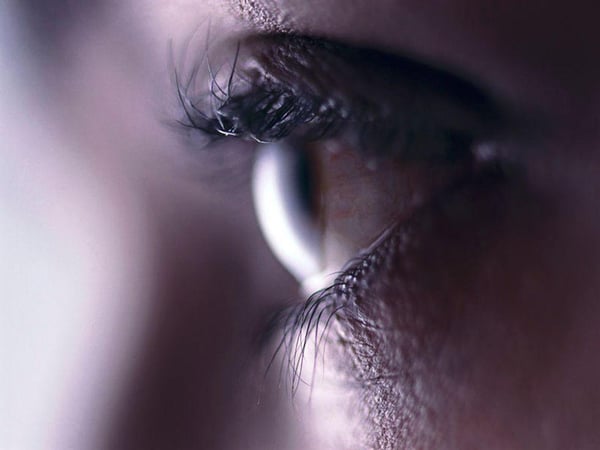
MONDAY, Nov. 29, 2021 (HealthDay News) -- A weekly dose of deep red light in the morning may protect fading eyesight as people age, U.K. researchers say.
"Using a simple LED device once a week recharges the energy system that has declined in the retina cells, rather like recharging a battery," according to Glen Jeffery, lead author of a small, new study.
In previous work, the researchers found that daily three-minute exposure to long-wave deep red light switched on energy-producing mitochondria cells in the retina, giving a boost to naturally declining vision.
In this new study, the investigators wanted to assess the effect of a single three-minute exposure once a week, and whether exposure in the morning or afternoon made a difference.
The study included 13 women and seven men, aged 34 to 70, who had no eye disease and normal color vision. The participants were exposed to three minutes of 670 nanometer (nm) LED deep red light in the morning between 8 a.m. and 9 a.m.
Their color vision was tested again three hours after that exposure, and 10 participants were also tested one week after exposure.
On average there was a "significant" 17% improvement in color vision, which lasted a week. Some of the older participants had a 20% improvement that lasted a week, the findings showed.
When the same experiment was conducted in the afternoon, there was no improvement in color vision, according to the University College London (UCL) study.
"We demonstrate that one single exposure to long-wave deep red light in the morning can significantly improve declining vision, which is a major health and well-being issue, affecting millions of people globally," Jeffery, a professor at the UCL Institute of Ophthalmology, said in a university news release.
"This simple intervention applied at the population level would significantly impact on quality of life as people age and would likely result in reduced social costs that arise from problems associated with reduced vision," he added.
Jeffery said the technology is "simple and very safe." He also believes an easy-to-use device can be made available at an affordable cost to the general public.
"In the near future, a once a week three-minute exposure to deep red light could be done while making a coffee, or on the commute listening to a podcast, and such a simple addition could transform eye care and vision around the world," he said.
The results were published Nov. 24 in the journal Scientific Reports.
More information
The U.S. National Institute on Aging has more about aging and your eyes.
SOURCE: University College London, news release, Nov. 24, 2021
Related Posts
Muchos niños con COVID en riesgo pueden ser atendidos en casa
JUEVES, 20 de abril de 2023 (HealthDay News) -- Un nuevo estudio australiano...
AHA News: Heart Failure at Age 30 Brought on By Pregnancy
TUESDAY, Aug. 16, 2022 (American Heart Association News) -- Fatima Mathews knew...
Is Oxytocin Really the ‘Love Hormone’? Rodent Research Raises Doubt
TUESDAY, Jan. 31, 2023 (HealthDay News) -- The "love hormone" oxytocin might not...
El medicamento para la narcolepsia podría ser una nueva opción de tratamiento para el TDAH
JUEVES, 12 de octubre de 2023 (HealthDay News) -- Un medicamento ya aprobado...