Rare, Deadly Bacterial Illness Now in United States, CDC Warns
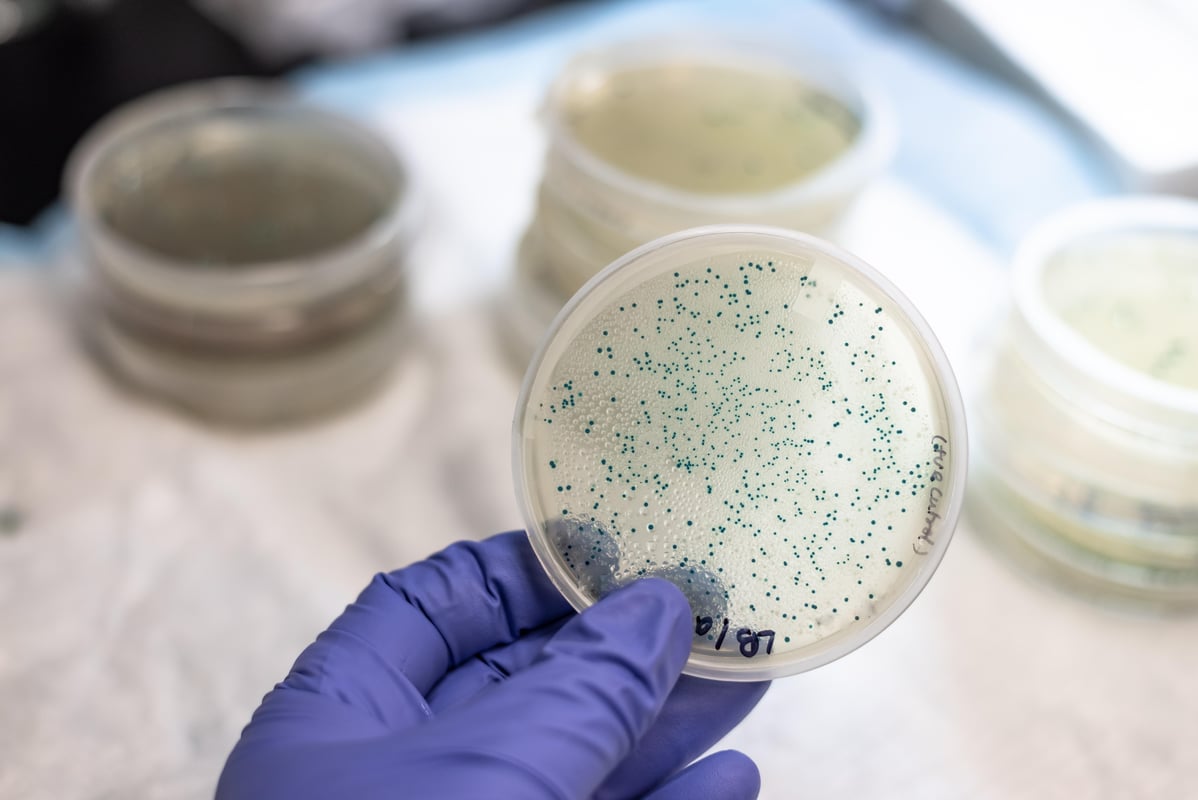
THURSDAY, July 28, 2022 (HealthDay News) -- A bacteria that causes a rare but serious disease has been discovered in soil and water samples in the Gulf Coast region of Mississippi after two people who live near each other fell ill.
In a notice issued Wednesday, the U.S. Centers for Disease Control and Prevention advised Gulf Coast residents, particularly those with certain health conditions, to take precautions against Burkholderia pseudomallei and prevent a disease it causes: melioidosis.
Symptoms of melioidosis can include fever, joint pain, and headaches. It can also cause pneumonia, abscesses, and blood infections. Melioidosis is fatal in about 10 to 50 percent of people who are infected worldwide, and it typically surfaces in tropical and subtropical areas, such as South and Southeast Asia, Northern Australia, Puerto Rico, and parts of Central and South America.
The agency is alerting clinicians throughout the country that they should check for melioidosis when patients appear with symptoms consistent with the condition.
Melioidosis is caused by direct contact with the bacteria. While about a dozen people in the United States contract it each year, most have recently traveled to a country where it is endemic. The illness has also been linked to contaminated commercial products imported from disease-endemic countries, including a 2021 case involving imported contaminated aromatherapy spray that sickened four people in four states.
The CDC and its partners will continue to investigate the geographic spread of the bacteria.
Related Posts
FDA Approves First Treatment for Rett Syndrome
TUESDAY, March 14, 2023 (HealthDay News) – The U.S. Food and Drug Administration...
Lo que los padres deben saber sobre los niños y la COVID-19
MIÉRCOLES, 2 de febrero de 2022 (HealthDay News) -- A medida que el número de...
Drug Therapy for Peds Psych Disorders, Later SUD Risk Examined
FRIDAY, May 27, 2022 (HealthDay News) -- Pharmacotherapy for pediatric...