
Radiographers Read Mammograms for UK Double Reading Program
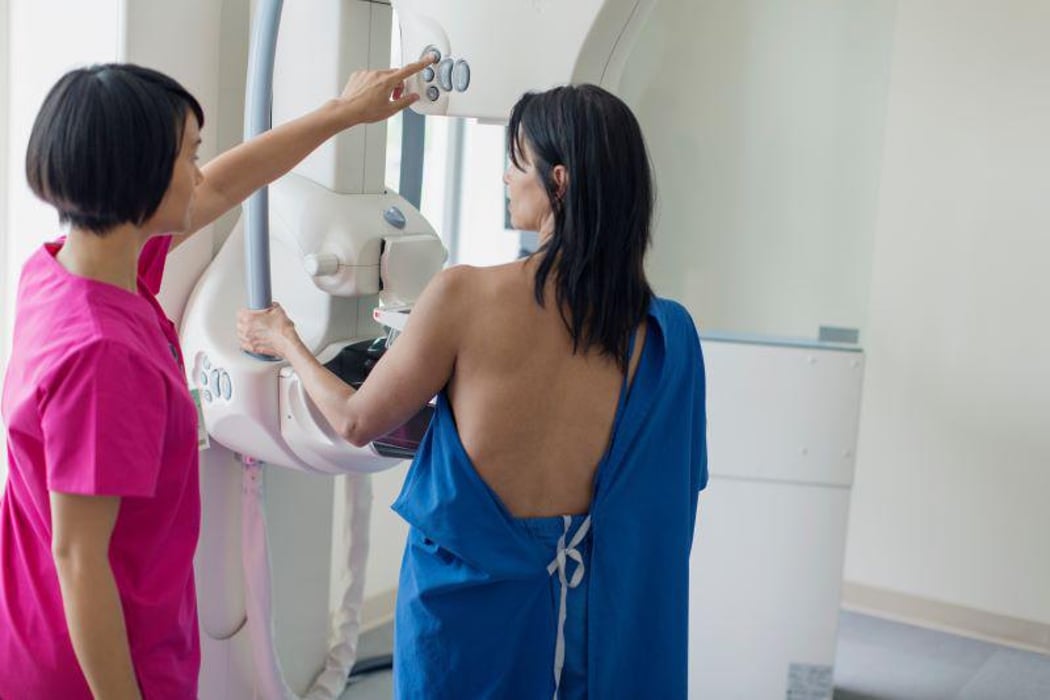
WEDNESDAY, Sept. 28, 2022 (HealthDay News) -- Trained radiographers perform as well as radiologists when participating in the double reading of screening mammograms, according to a study published online Sept. 13 in Radiology.
Yan Chen, Ph.D., from the University of Nottingham in the United Kingdom, and colleagues conducted a retrospective study to compare the performance of radiologists and radiographers for the double reading of screening mammograms in England from April 2015 to March 2016. For first readers, the cancer detection rate (CDR), recall rate (RR), and positive predictive value (PPV) of recall based on biopsy-proven findings were calculated.
Overall, 401 readers (224 radiologists and 177 radiographers) double-read 1,404,395 screening digital mammograms. The researchers found that CDR did not differ between radiologist and radiographer readers (mean, 7.84 versus 7.53 per 1,000 examinations), and there was no difference for readers with more than 10 years versus five or fewer years of experience, respectively, regardless of professional group (mean, 7.75 versus 7.71 per 1,000 examinations). The mean RR did not differ for radiologist and radiographer readers (5.0 versus 5.2 percent). Compared with those with five or fewer years of experience, readers with more than 10 years of experience had a lower RR, regardless of the professional group (mean, 4.8 versus 5.8 percent). No variation in PPV was seen between radiologists and radiographers. Readers with more than 10 years of experience had a higher PPV compared with those with five or fewer years (mean, 17.5 versus 14.9 percent), regardless of professional group.
"The outcomes of this study may lead screening programs in other countries to consider the use of physician extenders in breast imaging," Chen said in a statement.
One author disclosed financial ties to GE Healthcare.
Editorial (subscription or payment may be required)
Related Posts
Las tasas de vacunación infantil se redujeron durante la pandemia, según los CDC
VIERNES, 22 de abril de 2022 (HealthDay News) -- Muchos niños de kindergarten se...
Las mujeres embarazadas de EE. UU. se enfrentan a unas mayores exposiciones a compuestos químicos
MARTES, 10 de mayo de 2022 (HealthDay News) -- La exposición a unos compuestos...
Passive Smoking Linked to Increased Risk of Rheumatoid Arthritis
FRIDAY, April 15, 2022 (HealthDay News) -- Passive smoking during childhood...
Sulfur Microbial Diet May Increase Risk for Colorectal Cancer
Greater adherence to a sulfur microbial diet is associated with an increased...