
Racial Disparities ID’d in Autosomal Dominant Polycystic Kidney Disease
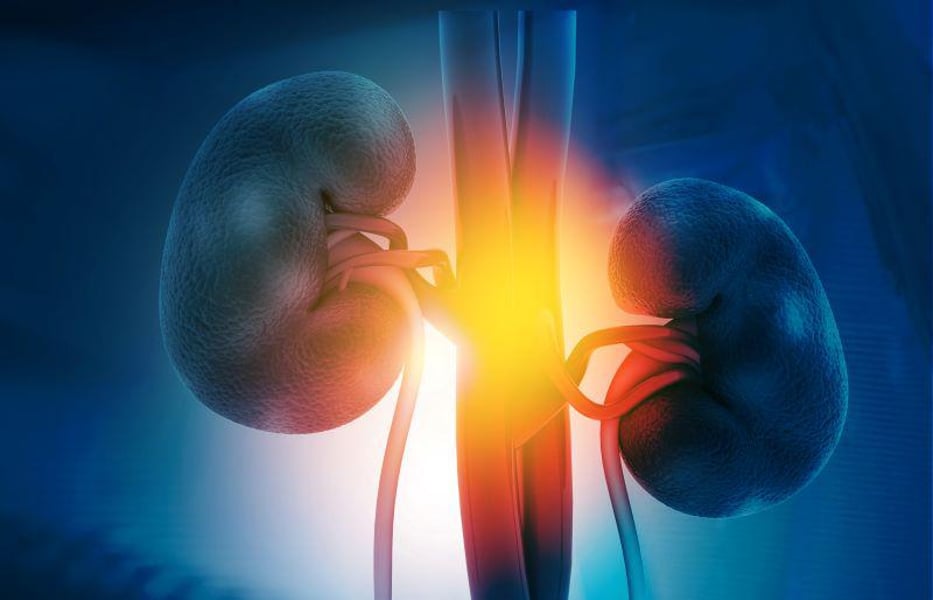
TUESDAY, July 12, 2022 (HealthDay News) -- Black and Hispanic patients with autosomal dominant polycystic kidney disease (ADPKD) reach kidney failure earlier than White patients and are less likely to receive a kidney transplant preemptively and after initiating dialysis, according to a study published in the July issue of the Clinical Journal of the American Society of Nephrology.
Rita L. McGill, M.D., from the University of Chicago, and colleagues examined the impact of health disparities on outcomes in ADPKD in a retrospective cohort analysis of adults with ADPKD in the U.S. Renal Data System from January 2000 to June 2018. Data were included for 41,485 ADPKD patients who were followed for a median of 25 months.
The researchers found that for Black, Hispanic, and White patients, the mean age at kidney failure was 55, 53, and 57 years, respectively. For preemptive transplant, the odds ratios were 0.33 and 0.50 for Black and Hispanic patients, respectively, versus White patients. For transplant after initiation of dialysis, the corresponding odds ratios were 0.61 and 0.78.
"We discovered that progression to kidney failure occurred earlier in Black and Hispanic patients with ADPKD, and that access to transplantation was less than in White patients, both before and after the onset of dialysis treatment," McGill said in a statement. "Our results suggest that there is potential to improve kidney care and kidney transplantation for Black and Hispanic patients."
One author disclosed financial ties to the pharmaceutical industry.
Related Posts
Biden Administration Withdraws Vaccine Mandate for Large Employers
WEDNESDAY, Jan. 26, 2022 (HealthDay News) -- The Biden administration on Tuesday...
Almost Linear Association Seen Between Alcohol Intake, Blood Pressure
MONDAY, July 31, 2023 (HealthDay News) -- There is an almost linear association...
COVID-19 Boosters Keep Older Americans Out of Hospitals: CDC
FRIDAY, Jan. 21, 2022 (HealthDay News) -- The risk for hospitalization for...
AI Can Help ID Incidental PE on Conventional Chest CT Exams
TUESDAY, Aug. 2, 2022 (HealthDay News) -- An artificial intelligence (AI)...