Postpartum Depression Rates Have Tripled for New Moms During Pandemic
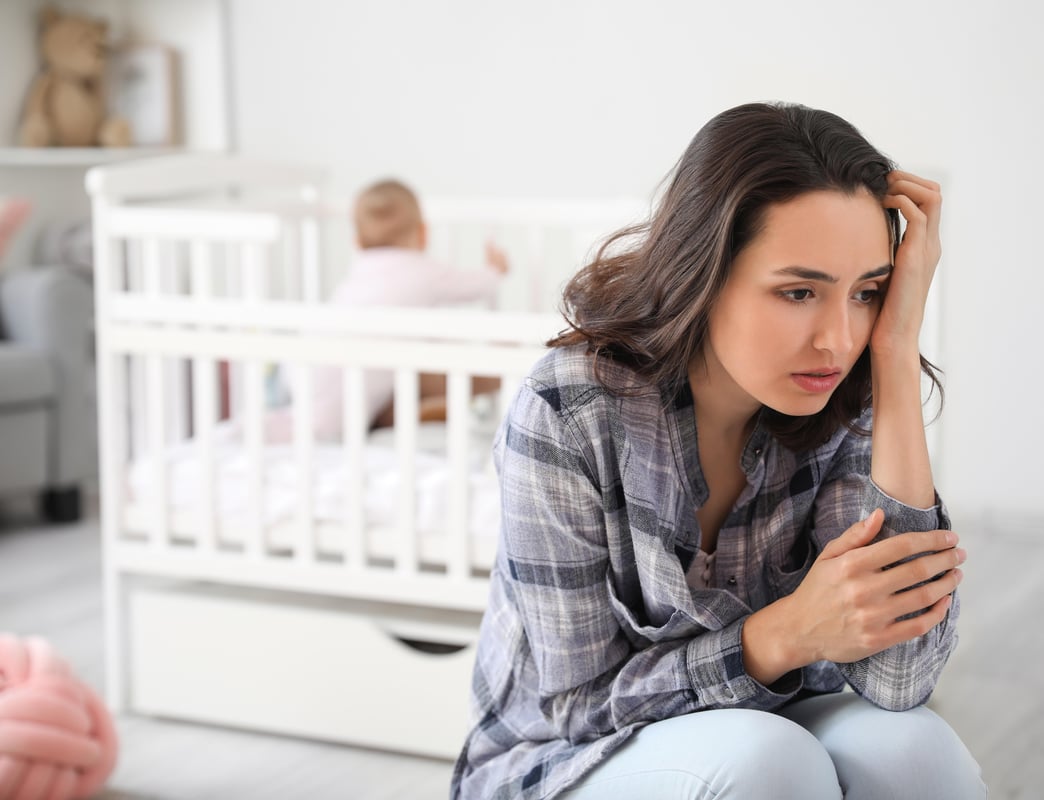
THURSDAY, March 17, 2022 (HealthDay News) -- Rates of postpartum depression among American mothers rose nearly three-fold during the COVID-19 pandemic, along with large increases in major depression and thoughts of self-harm, according to a new study.
It included 670 new moms who completed online screening between February and July 2020. One-third screened positive for postpartum depression and 20% had symptoms of major depression.
Before the pandemic, about 1 in 8 new mothers had postpartum depression and between 5% and 7% had major depression, according to the U.S. Centers for Disease Control and Prevention.
"We also found that almost 1 in 5 participants who screened positive for postpartum depression reported having thoughts of harming themselves," said lead author Clayton Shuman, an assistant professor of nursing at the University of Michigan.
"This is very concerning given that prior to the pandemic, [a previous study] found the rate of suicidality among prenatal and postpartum patients is on the rise in the U.S.," Shuman said in a university news release.
New mothers who fed their infants formula were 92% more likely to screen positive for postpartum depression, and 73% more likely to screen for major depression than those who breastfed or bottle-fed with their own milk, the study found.
Mothers whose infants were in neonatal intensive care units had a 74% higher risk of postpartum depression, and moms who were worried about contracting COVID-19 had a 71% increased likelihood of screening positive for postpartum depression, according to the study.
Shuman said the findings underscore the need to identify depression in new mothers. But, he added, screening is only a first step.
"Treatment is pivotal to recovery," Shuman said. "Resources and education about postpartum depression must be better disseminated and implemented. These resources should be shared with the general public to reduce stigma, and shared with those who provide social and emotional support to postpartum patients, such as partners and family members."
The findings were published March 14 in the journal BMC Research Notes.
This study was part of a larger one called COVID-19 MAMAS (Maternal Attachment, Mood, Ability, and Support) that spawned several papers about pregnancy and postpartum experiences during the pandemic.
More information
There's more on postpartum depression at the U.S. Office on Women's Health.
SOURCE: University of Michigan, news release, March 14, 2022
Related Posts
Full-Dose Anticoagulation Beneficial for Critically Ill With COVID-19
FRIDAY, Sept. 16, 2022 (HealthDay News) -- Full-dose anticoagulation reduces...
Do You Live in America’s Fittest City? Experts Rank Best to Worst
TUESDAY, July 12, 2022 (HealthDay News) -- Want to get fit and stay fit?...
Dos tercios de los sistemas de agua de EE. UU. contienen uranio
VIERNES, 8 de abril de 2022 (HealthDay News) -- Dos tercios de los sistemas de...
Anytime Is the Right Time for COVID Vaccine in Pregnancy
https://consumer.healthday.com/b-1-3-anytime-is-th... Credit: HealthDay