
Poor Sleep Patterns Linked to Increased Asthma Risk
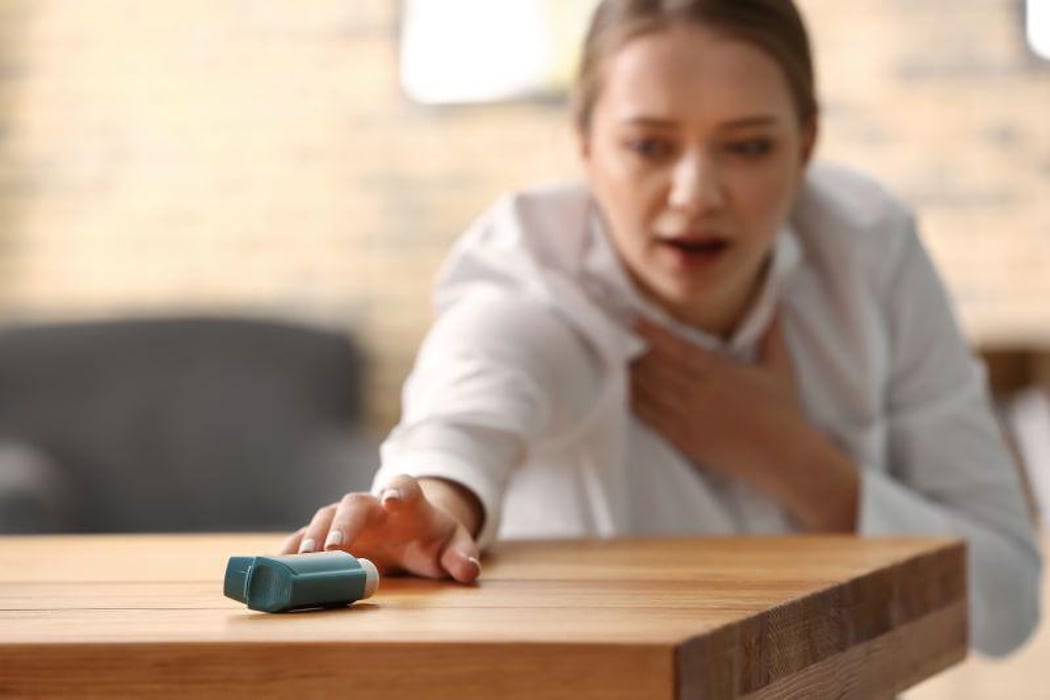
TUESDAY, April 4, 2023 (HealthDay News) -- Asthma risk is increased for individuals with poor sleep patterns, compounding higher genetic susceptibility, according to a study published online April 3 in BMJ Open Respiratory Research.
Bowen Xiang, from the Cheeloo College of Medicine at Shandong University in Jinan, China, and colleagues conducted a large-scale prospective study involving 455,405 participants aged 38 to 73 years in the U.K. Biobank cohort. The independent and combined effects of sleep pattern and genetic susceptibility (polygenic risk score [PRS]) on asthma incidence were examined.
During 10 years of follow-up, 17,836 individuals were diagnosed with asthma. The researchers found that the hazard ratios for the highest PRS group and the poor sleep pattern group were 1.47 and 1.55, respectively, compared with the low-risk group. Compared with the low-risk combination, risk was more than twofold higher with the combination of poor sleep and high genetic susceptibility (hazard ratio, 2.22). In the low, intermediate, and high genetic susceptibility groups, a healthy sleep pattern was associated with a lower risk for asthma (hazard ratios, 0.56, 0.59, and 0.63, respectively). When sleep traits were improved, a population-attributable risk analysis indicated that 19 percent of asthma cases could be prevented.
"Considering that poor sleep combined with high genetic susceptibility yielded a greater than twofold asthma risk, sleep patterns could be recommended as an effective lifestyle intervention to prevent future asthma, especially for individuals with high-risk genetics," the authors write.
Related Posts
Too Much Time Online Might Raise Kids’ Odds for Mental Health Woes: Study
WEDNESDAY, March 29, 2023 (HealthDay News) -- Children’s screen use could be...
Health Highlights: Feb.1, 2022
Pfizer will ask FDA to approve its COVID vaccine for kids under 5. If approved,...
About 100,000 U.S. Nurses Left Workforce During Pandemic
FRIDAY, April 14, 2023 (HealthDay News) -- During the pandemic, nearly 100,000...