
Polluted Air Keeps Butterflies, Bees From Pollinating: Study
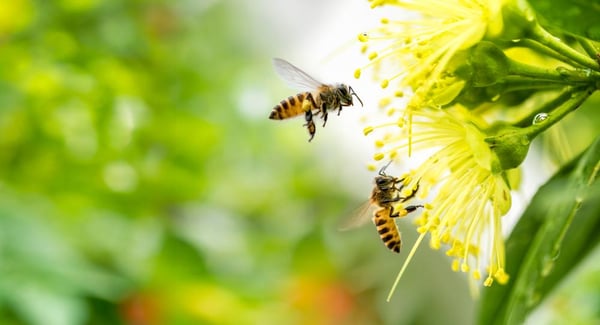
THURSDAY, Jan. 20, 2022 (HealthDay News) -- As air pollution worsens, fruits, flowers and the creatures that pollinate them could pay a price.
That's the takeaway from British researchers who used special equipment to control levels of two common pollutants — diesel exhaust and ozone — in a field of black mustard plants, and then monitored pollinating insects over two summers.
"We knew from our previous lab studies that diesel exhaust can have negative effects on insect pollinators, but the impacts we found in the field were much more dramatic than we had expected," said project leader Robbie Girling, an associate professor in agroecology at the University of Reading in the United Kingdom.
There were up to 70% fewer pollinators to the affected fields; up to 90% fewer flower visits; and an overall reduction in pollination of up to 31%, according to findings published Jan. 19 in the journal Environmental Pollution.
Pollution concentrations were between 40% and 50% of levels considered environmentally safe under U.S. regulations, which is far below the actual pollution levels worldwide.
The findings suggest that dirty air reacts with and changes the scent of flowers, making it harder for insects to locate their food — pollen and nectar.
The researchers said the study is the first to assess how these common pollutants affect pollination in the natural world.
"The findings are worrying because these pollutants are commonly found in the air many of us breathe every day," study author James Ryalls, a research fellow at the University of Reading, said in a university news release. "We know that these pollutants are bad for our health, and the significant reductions we saw in pollinator numbers and activity shows that there are also clear implications for the natural ecosystems we depend on."
The findings could have far-reaching implications, because insect pollination is responsible for hundreds of billions of dollars in economic value worldwide.
About 70% of all crop species, including apples, strawberries and cocoa, rely on pollination.
More information
For more on pollinators, visit the U.S. Fish and Wildlife Service.
SOURCE: University of Reading, news release, Jan. 19, 2022
Related Posts
Triple-Digit Heat Wave a Danger to Those With Dementia
TUESDAY, July 11, 2023 (HealthDay News) -- As extreme heat continues to blanket...
How Does Stress Affect the Body?
TUESDAY, April 4, 2023 (HealthDay News) -- Figuring out how stress affects your...
AHA News: La obesidad perjudica la salud del cerebro durante toda la vida, pero los científicos no saben por qué
MIÉRCOLES, 12 de enero de 2022 (American Heart Association News) -- Cualquiera...
FDA Expected to Allow Mix n’ Match COVID Vaccines
TUESDAY, Oct. 19, 2021 (HealthDay News) -- The U.S. Food and Drug Administration...