Police Often Fail to Enforce Laws on Underage Drinking: Study
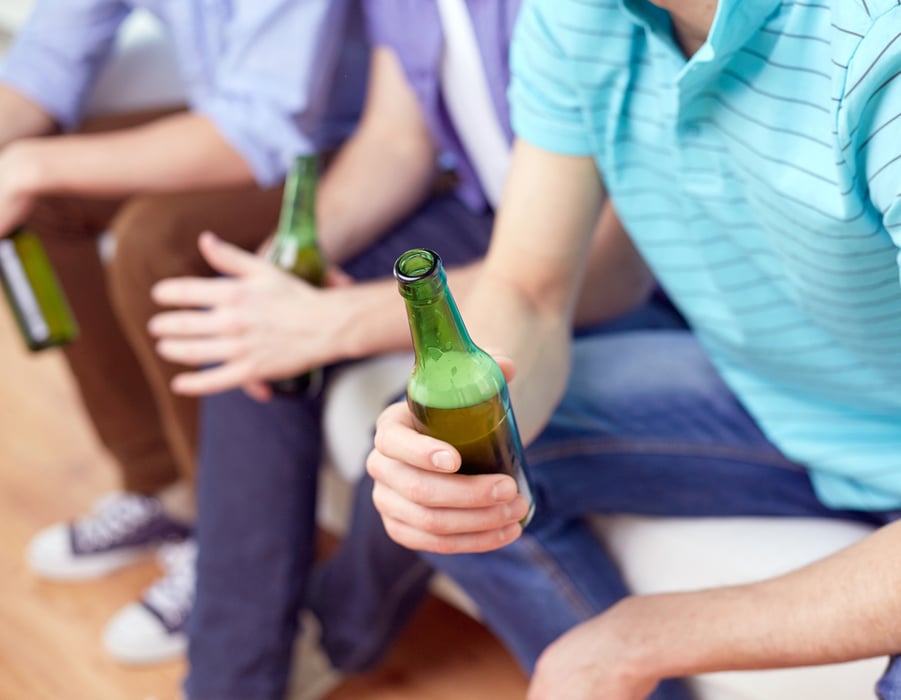
TUESDAY, Aug. 8, 2023 (HealthDay News) -- Underage drinking is an issue in many U.S. communities, but the number of law enforcement agencies using alcohol-related enforcement strategies has remained low or dropped in the past decade.
In a new study, researchers tracked law enforcement strategies for underage drinking, impaired driving and sales to obviously intoxicated persons between 2010 and 2019. The research updated an earlier study on the topic.
Among the findings were that, back in 2010, nearly 42% of agencies used compliance checks, in which law enforcement supervise undercover youth who attempt to purchase alcohol. But by 2019, only 36.4% of agencies used this strategy.
Enforcement of laws prohibiting adults from providing alcohol to underage persons also dropped, from 48.5% to almost 34%.
Enforcing underage possession and/or consumption of alcohol also declined, 84.7% in 2010 to 66.5% in 2019.
“Use of all three types of underage drinking enforcement efforts that we examined significantly decreased from 2010 to 2019,” said lead study author Kathleen Lenk, a researcher at the University of Minnesota School of Public Health.
“In addition, enforcement aimed at underage drinkers themselves, versus the alcohol outlets and adults who supply alcohol, were the most commonly used enforcement strategies at both time points," she said in a university news release. "This is a common enforcement approach, but studies demonstrate it is more effective to focus on reducing access to alcohol, rather than punishing underage persons.”
Researchers also found less-severe decreases in the use of sobriety checkpoints, which declined slightly, and the enforcement of laws prohibiting the sale of alcohol to obviously intoxicated persons, which fell from 24.8% to 23.8%.
Agencies did increase two types of impaired driving enforcement. About 75.5% of agencies used saturation patrols -- increasing officers in areas where there's more likely to be drinking -- in 2019, compared to 69.1% in 2010. Open container enforcement increased from 45.6% of agencies to nearly 58%.
The findings were published recently in the Journal of Studies on Alcohol and Drugs.
“Our results indicate the need for improvement in alcohol enforcement regarding underage drinking, impaired driving and sales to obviously intoxicated persons,” Lenk said.
More information
The U.S. Centers for Disease Control and Prevention has more on underage drinking.
SOURCE: University of Minnesota School of Public Health, news release, Aug. 7, 2023
Related Posts
Sulthiame May Be Effective for Treating Obstructive Sleep Apnea
WEDNESDAY, April 27, 2022 (HealthDay News) -- Sulthiame (STM) appears to be safe...
Could Popular Heartburn Meds Raise Your Odds for Dementia?
THURSDAY, Aug. 10, 2023 (HealthDay News) -- Older adults who use certain...
Delicious Ways to Sneak Fiber Into Your Child’s Diet
The biggest shortfall in most Americans' diets isn't vitamins or minerals. It's...
Parental Leave Does Not Impact Residents’ Subsequent Board Scores
WEDNESDAY, July 27, 2022 (HealthDay News) -- Taking extended leave during...