
Persistent Pain in Seniors Linked to Decline in Physical Function
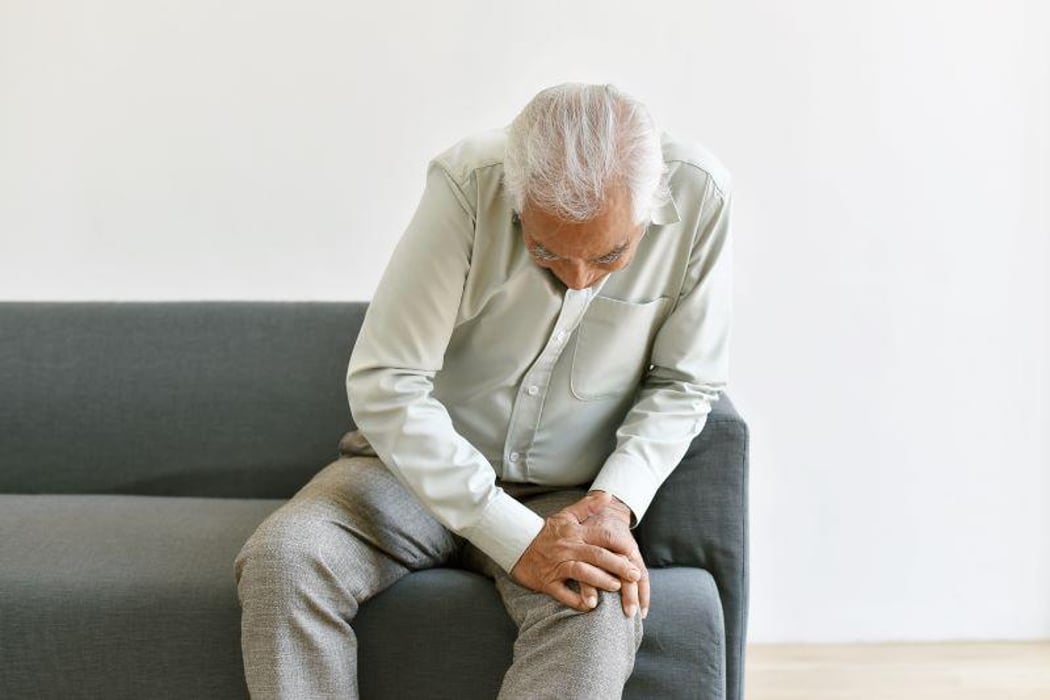
WEDNESDAY, Dec. 7, 2022 (HealthDay News) -- Persistent pain in older adults is associated with a decline in physical function, according to a study published online Dec. 7 in the Journal of the American Geriatrics Society.
Christine Seel Ritchie, M.D., M.S.P.H., from Massachusetts General Hospital in Boston, and colleagues used data from the National Health Aging Trends Study from 2011 to 2019 for community-dwelling Medicare beneficiaries aged 65 years and older. The authors examined the association between persistent pain, defined as being bothered by pain in the last month in both the 2011 and 2012 interviews, and the development of clinically meaningful declines in physical function, cognitive function, and well-being.
Of the 5,589 eligible participants, 38.7 and 27.8 percent reported persistent pain and intermittent pain, respectively (bothersome pain reported at one interview only). The researchers found that more than one-third of participants reported pain at five or more sites. Participants with persistent pain were more likely to experience declines in physical function (64, 59, and 57 percent for those persistent pain, intermittent pain, and no bothersome pain, respectively; adjusted hazard ratio, 1.14; 95 percent confidence interval, 1.05 to 1.23) and well-being (48, 45, and 44 percent, respectively; adjusted hazard ratio, 1.11; 95 percent confidence interval, 1.01 to 1.21) over the subsequent seven years. However, those with persistent pain were no more likely to experience cognitive decline (25, 24, and 23 percent for those with persistent, intermittent, and no bothersome pain, respectively; adjusted hazard ratio, 1.02; 95 percent confidence interval, 0.90 to 1.16).
"The findings from this study point to the importance of access to effective treatment for persistent pain in older adults and the need for additional research in chronic pain to optimize quality of life," Ritchie said in a statement.
Abstract/Full Text (subscription or payment may be required)
Related Posts
Casi dos tercios de las mujeres tienen unos síntomas premenstruales problemáticos
MIÉRCOLES, 7 de septiembre de 2022 (HealthDay News) -- Una mayoría de las...
Many Young Women Wouldn’t Get Flu, COVID Shots in Pregnancy, Poll Suggests
WEDNESDAY, April 12, 2023 (HealthDay News) -- Despite the proven safety and...
Counterfeit Pills Fuel Rising Number of Fatal Drug Overdoses
FRIDAY, Sept. 1, 2023 (HealthDay News) -- A growing number of overdose deaths in...
COVID Often Joined by Heart Disease, Diabetes
WEDNESDAY, July 20, 2022 (HealthDay News) -- In a mix of bad and good news, a...