
Paternal Lifestyle, Demographic Factors Not Tied to Preeclampsia Risk
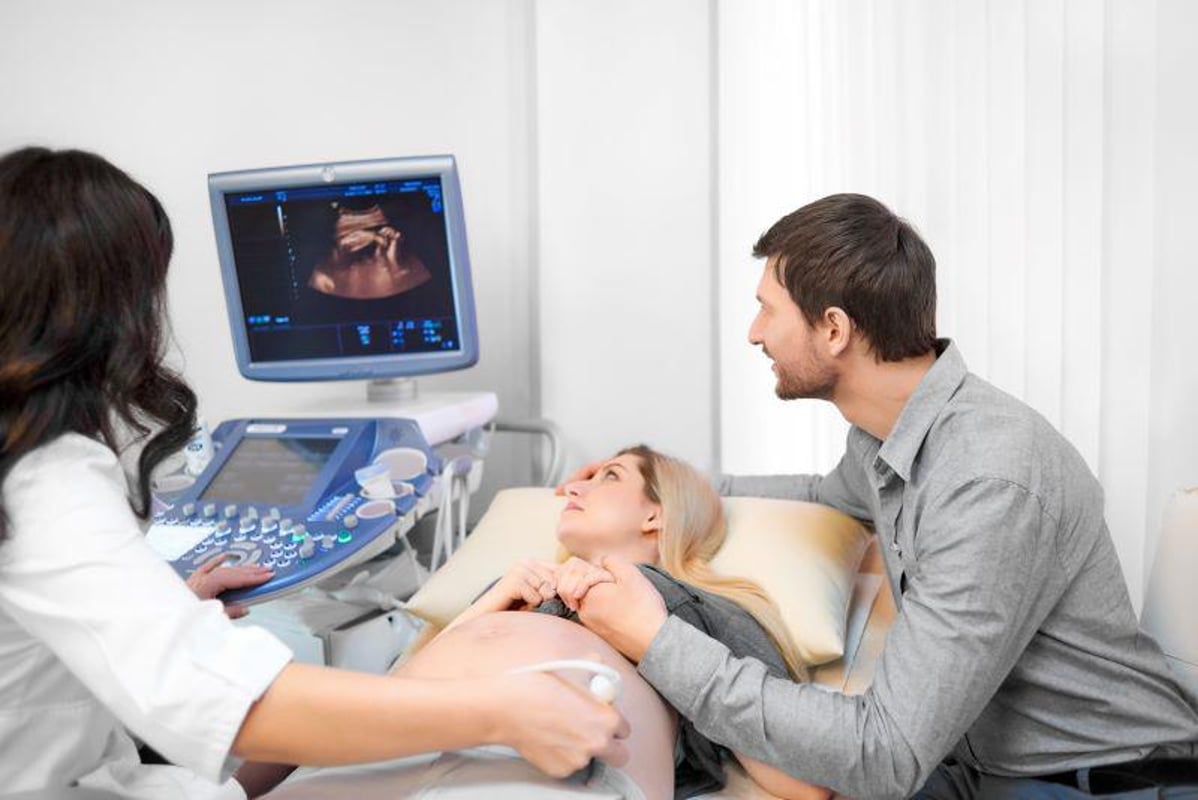
THURSDAY, July 28, 2022 (HealthDay News) -- Paternal lifestyle and sociodemographic factors do not appear to play a role in their partners' preeclamptic (PE) pregnancies, according to a study published online July 7 in Acta Obstetricia et Gynecologica Scandinavica.
Noora Jaatinen, from University of Turku in Finland, and colleagues assessed paternal factors associated with PE pregnancies. The analysis included 586 men who had fathered a preeclamptic pregnancy (PE fathers) and 660 control men who had fathered a nonpreeclamptic pregnancy (control fathers).
The researchers found that the PE fathers more often reported preeclampsia in a previously fathered pregnancy. No differences were seen for PE and control fathers with respect to age, body mass index, smoking, and preexisting medical conditions. Similarly, there were no differences observed in the socioeconomic background or health history of the PE and control fathers or their parents.
"Importance of paternal genetic factors has been demonstrated in their partners’ susceptibility to preeclampsia, but the role of paternal phenotype and lifestyle is still not well understood," Jaatinen said in a statement. "Both paternal genotype and phenotype need to be addressed in future studies."
Related Posts
¿Tiene una resolución de Año Nuevo? Esta es la forma de cumplirla
SÁBADO, 1 de enero de 2022 (HealthDay News) -- Está claro que el último par de...
Walking for Exercise Beneficial for Knee Osteoarthritis in Over 50s
WEDNESDAY, June 8, 2022 (HealthDay News) -- For adults aged 50 years and older...
Psychological Distress May Increase Risk for COVID-19 Hospitalization
FRIDAY, May 20, 2022 (HealthDay News) -- For patients with severe acute...
Heat: How Much Can the Human Body Stand?
THURSDAY, July 6, 2023 (HealthDay News) -- Record-breaking heat waves are...