
Oral Contraceptive Use Tied to Marker of Ovarian Function
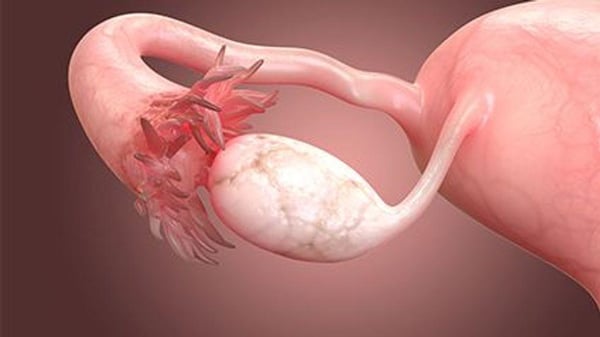
WEDNESDAY, Feb. 16, 2022 (HealthDay News) -- The long-term use of oral contraceptives (OCs) and certain methods of tubal ligation are associated with lower levels of a biomarker for ovarian function, possibly suggesting a link to early menopause, according to a study published in the February issue of Menopause.
Christine R. Langton, Ph.D., from the University of Massachusetts in Amherst, and colleagues examined the association of OC use and tubal ligation with antimüllerian hormone (AMH), a marker of ovarian aging. The analysis included 1,420 premenopausal participants in the Nurses' Health Study II who provided a blood sample in 1996 to 1999.
The researchers found that when adjusting for smoking, reproductive events, and other lifestyle factors, there was a significant, inverse association between duration of OC use and mean AMH levels. AMH levels were significantly lower in women with versus without a tubal ligation, when the tubal ligation included a clip, ring, or band (1.04 ng/mL versus 1.72 ng/mL). There was no association between AMH levels and age at first use of OCs or age at tubal ligation.
"Further research is warranted to confirm the long-term association of these widely used contraceptive methods with AMH," the authors write.
Abstract/Full Text (subscription or payment may be required)
Related Posts
FDA Approves Gene Therapy for Tough-to-Treat Bladder Cancer
MONDAY, Dec. 19, 2022 (HealthDay News) -- The U.S. Food and Drug Administration...
Según un estudio, la viruela se originó 2,000 años antes de lo pensado
MIÉRCOLES, 11 de enero de 2023 (HealthDay News) -- Aunque los orígenes de la...
Buprenorphine Underused for OUD, Particularly Polysubstance Use
THURSDAY, May 12, 2022 (HealthDay News) -- Individuals with opioid use disorder...
How Is Hepatitis C Diagnosed?
Hepatitis C viruses are so small that they can only been seen with the most...