
Not Enough Older Americans Are Checking Blood Pressure At Home
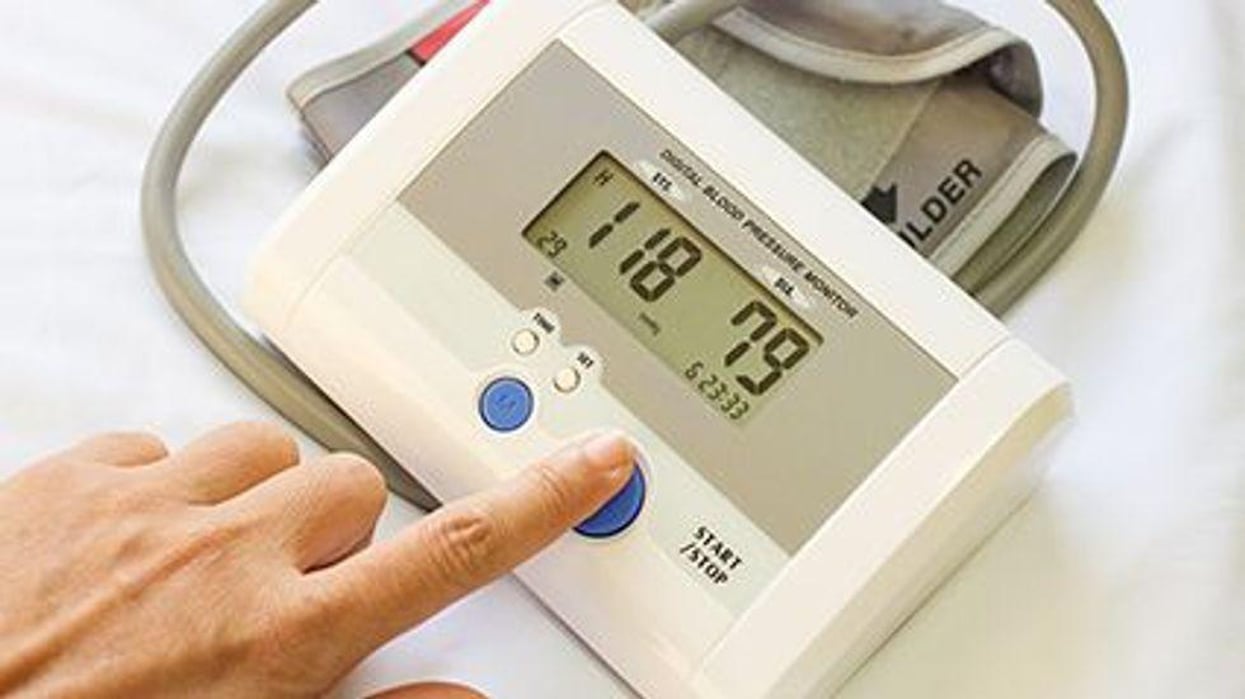
THURSDAY, Sept. 29, 2022 (HealthDay News) -- Regular home monitoring can help with blood pressure control, but only half of people who have hypertension or other related conditions actually do it, a new study found.
Of Americans ages 50 to 80 who take blood pressure medications or have a health condition affected by high blood pressure, only 48% regularly check their pressure at home or other places, according to findings.
About 62% of patients affected by these issues have said a health care provider has encouraged them to monitor their blood pressure at home. When providers did make that recommendation, study participants were more 3.5 times more likely to do the tests at home.
The data came from the National Poll on Healthy Aging, based at the University of Michigan Institute for Healthcare Policy.
About 55% of people said they own a blood pressure monitor. Some never use it, but those who do own the equipment were more than 10 times more likely to check their blood pressure outside of health care settings. Of those who do monitor their pressure, about half share those numbers with a health care provider.
Blood pressure monitoring is associated with having lower blood pressure. Better control is associated with reduced risk of death, of cardiovascular events such as heart attacks and stroke, and of thinking declines and dementia.
It will be important to explore why at-risk patients don’t check their blood pressure and why their providers don't suggest it, according to the Michigan Medicine authors, who included Dr. Mellanie Springer, from the Department of Neurology, and Dr. Deborah Levine, of the Department of Internal Medicine. This could help patients live longer and maintain heart and brain health, they said.
The authors said protocols should be developed to educate patients about the importance of self-monitoring blood pressure and sharing their readings with their doctors.
The survey included 1,247 respondents who said they were either taking a medication to control their blood pressure or had a chronic health condition that requires blood pressure control. These include history of stroke, coronary heart disease, congestive heart failure, diabetes, chronic kidney disease or hypertension.
The findings were published recently in the journal JAMA Network Open.
More information
The U.S. Centers for Disease Control and Prevention has more on high blood pressure symptoms and causes.
SOURCE: Michigan Medicine – University of Michigan, news release, Sept. 23, 2022
Related Posts
Food Insecurity Tied to Poor MetS Markers in Hispanic/Latino Youth
WEDNESDAY, March 16, 2022 (HealthDay News) -- For Hispanic/Latino youth, lower...
La telesalud para el trastorno por uso de opioides ayudó a frenar las sobredosis letales en la pandemia
VIERNES, 31 de marzo de 2023 (HealthDay News) -- Las citas de telesalud (las...
Una nueva norma del USDA fortalece la supervisión de la comida orgánica
VIERNES, 20 de enero de 2023 (HealthDay News) -- Pronto, la comida orgánica...
U.S. Suicide Rates Rose in 2021, Reversing 2 Years of Decline
FRIDAY, Sept. 30, 2022 (HealthDay News) -- The suicide rate in the United States...