No Need to Avoid Exercise After Prolapse Surgery, Study Finds
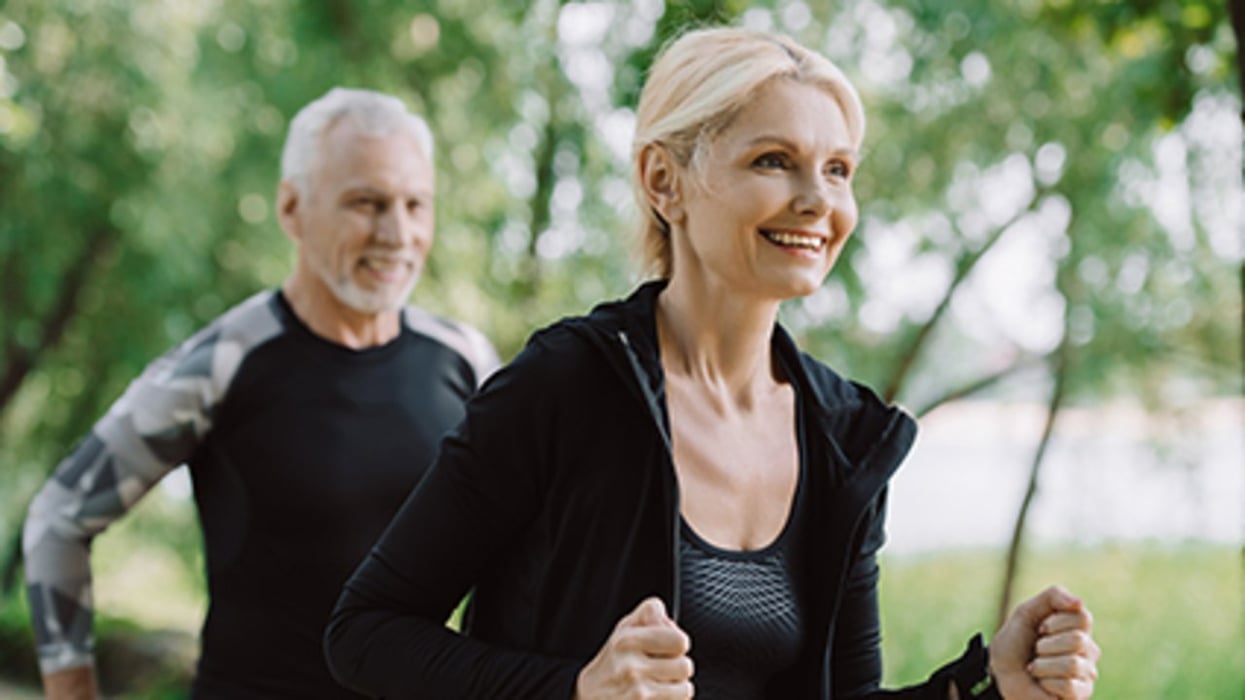
FRIDAY, June 2, 2023 (HealthDay News) -- It may not be necessary for people who have prolapse surgery for pelvic floor disorders to wait to get started exercising again.
A new study challenges standard restrictions, finding that those who resume exercising soon after the procedure do just as well as those who wait several weeks.
“This study is a paradigm shift for urogynecologists — it is practice changing,” said senior study author Dr. Matthew Barber, chair of obstetrics and gynecology at Duke University School of Medicine in Durham, N.C.
“For decades, surgeons have been instructing patients to avoid activity after reconstructive surgery, and we now know that is unnecessary,” Barber said in a Duke news release.
“The findings of this study are consistent with trials in other fields, like orthopedics and hernia surgery, which have shown that early activity doesn’t impede outcomes and may improve them in some circumstances,” Barber said.
While not life-threatening, a pelvic floor disorder can cause discomfort and pain. It occurs when one of the pelvic organs drops down, creating a bulge in the vagina. This organ can be the uterus, bowel or bladder.
Sometimes pelvic floor exercises are enough to treat the problem, but oftentimes surgery is needed.
To study guidelines on post-surgical restrictions, researchers randomly assigned 108 women to two groups. One group followed the standard advice to avoid lifting more than 10 pounds for six weeks and to not return to work for two to six weeks. The other group had no lifting or activity restrictions and were permitted to return to work as soon as they were able.
The researchers found no statistically significant differences in anatomic and symptomatic issues among the two groups after three months.
The study results were published online May 31 in JAMA Surgery.
More information
The U.S. National Institutes of Health has more on pelvic floor disorders.
SOURCE: Duke University, news release, May 31, 2023
Related Posts
Objective Measures of Social Visual Engagement Aid Early Diagnosis of Autism
TUESDAY, Sept. 12, 2023 (HealthDay News) -- Objective measurements of social...
En algunas personas, los síntomas de la COVID prolongada pueden ir y venir
JUEVES, 10 de agosto de 2023 (HealthDay News) -- Mientras los investigadores...
La ciencia revela 3 claves para un día con energía y alerta
MARTES, 6 de noviembre de 2022 (HealthDay News) -- Los anuncios nos hacen creer...
Physical Activity May Lower Risk for Depression in Adults
THURSDAY, April 14, 2022 (HealthDay News) -- There may be substantial mental...