
Neuropsychiatric Manifestations Seen in Monkeypox Patients
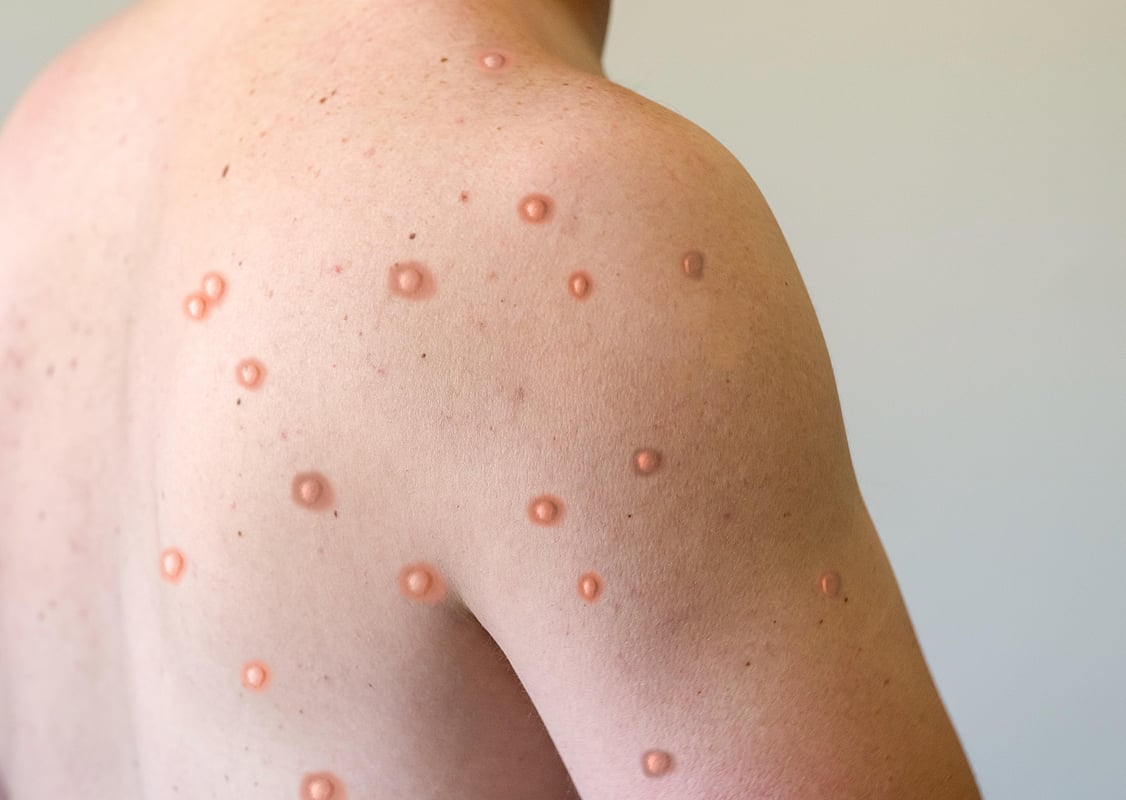
THURSDAY, Sept. 22, 2022 (HealthDay News) -- Neuropsychiatric presentations, including seizure, confusion, and encephalitis, have been reported among patients with monkeypox infection, according to a review published online Sept. 8 in eClinicalMedicine.
James B. Badenoch, M.B.Ch.B., from Barts Health NHS Trust in London, and colleagues conducted a systematic review and meta-analysis to examine neuropsychiatric presentations of monkeypox infection. Data were reviewed from 19 eligible studies with 1,512 participants (1,031 with confirmed infection using criteria from the U.S. Centers for Disease Control and Prevention or polymerase chain reaction testing).
The researchers found that the quality of studies was generally moderate. Three clinical features were eligible for meta-analysis: seizure, confusion, and encephalitis, which had pooled prevalence rates of 2.7, 2.4, and 2.0 percent, respectively. Myalgia, headache, and fatigue were also frequently reported symptoms, although pooled prevalence could not be estimated due to heterogeneity being too high, possibly as a result of differences in viral clades and study methodology.
"We found that severe neurological complications such as encephalitis and seizures, while rare, have been seen in enough monkeypox cases to warrant concern, so our study highlights a need for further investigation," a coauthor said in a statement. "There is also evidence that mood disorders such as depression and anxiety are relatively common for people with monkeypox."
One author disclosed financial ties to the pharmaceutical industry.
Related Posts
Review: Transcranial Direct Current Stimulation Eases Migraine
FRIDAY, April 29, 2022 (HealthDay News) -- Transcranial direct current...
Alcohol Use Disorder Deaths Up During the Pandemic
FRIDAY, May 6, 2022 (HealthDay News) -- Alcohol use disorder (AUD)-related...
Mood Swings During Pregnancy
You only glanced at the headlines on a local tragedy, yet you find yourself...
AHA News: Healthy Living Could Offset Genetics and Add Years Free of Heart Disease
MONDAY, Jan. 31, 2022 (American Heart Association News) -- People who follow...