
Nearby Greenspace Tied to Lower Stroke Risk
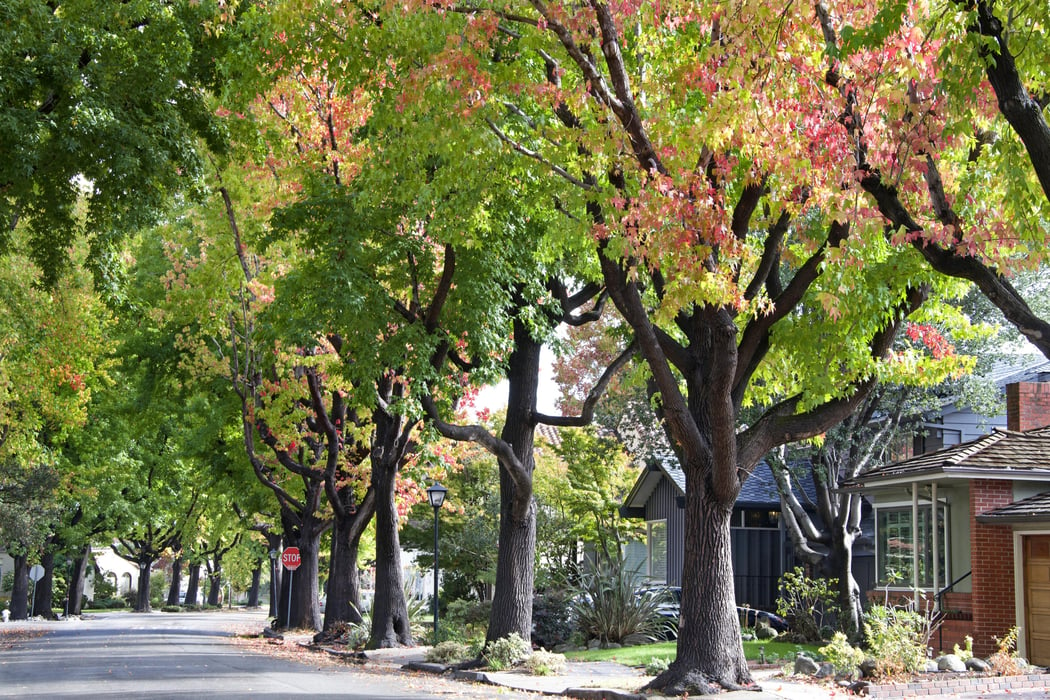
WEDNESDAY, April 20, 2022 (HealthDay News) -- Living in areas with greater greenspace is tied to a lower risk for stroke, according to a study published online April 18 in the Journal of Patient-Centered Research and Reviews.
Heloise Cheruvalath, from Smith College in Northampton, Massachusetts, and colleagues assessed whether residential greenspace is an independent stroke risk factor. The analysis included 1,174 stroke and 4,696 control patients over a three-year period from Milwaukee County, Wisconsin. Greenspace was estimated using the normalized difference vegetation index (NDVI) for a 250-m radius surrounding the participant's residence.
The researchers observed an inverse correlation between NDVI and stroke risk (odds ratio [OR], 0.33), with lower odds of stroke for patients living in the highest greenspace quartile versus the lowest quartile (OR, 0.81). Patients living in the most deprived quartile had greater stroke risk than those living in the least deprived quartile (OR, 1.28). Compared with White participants, non-Hispanic Black patients lived in residential areas with lower greenspace and neighborhoods with a greater state and national area deprivation index.
"With the novel findings from our study, stroke risk can now be added to the growing list of health issues impacted by residential greenspace. Our data also confirmed neighborhood disadvantage as a risk factor for stroke, further suggesting the environment in which we live is an independent risk factor for stroke after controlling for individual characteristics," the authors write. "This is important from a public health perspective. Greenspace is a readily modifiable environmental factor that should be protected and expanded in the face of relentless urbanization."
Related Posts
Common, Crucial Medical Device Often Gives Wrong Readings for Black Patients
MONDAY, July 11, 2022 (HealthDay News) -- Early in the pandemic, scores of...
Testosterone Levels Matter for Men’s, Women’s Sex Lives
WEDNESDAY, Oct. 13, 2021 (HealthDay News) -- What launches guys on serial sexual...
Apixaban Has Lower Bleeding Risk for Initial Anticoagulation for Venous Thromboembolism
TUESDAY, Sept. 5, 2023 (HealthDay News) -- Apixaban has a lower bleeding risk...
AACR: Cancer Disparities Represent Ongoing Public Health Challenge
MONDAY, June 13, 2022 (HealthDay News) -- Racial and ethnic minorities and other...