
Myths, Ignorance Persist Around Lung Cancer: Poll
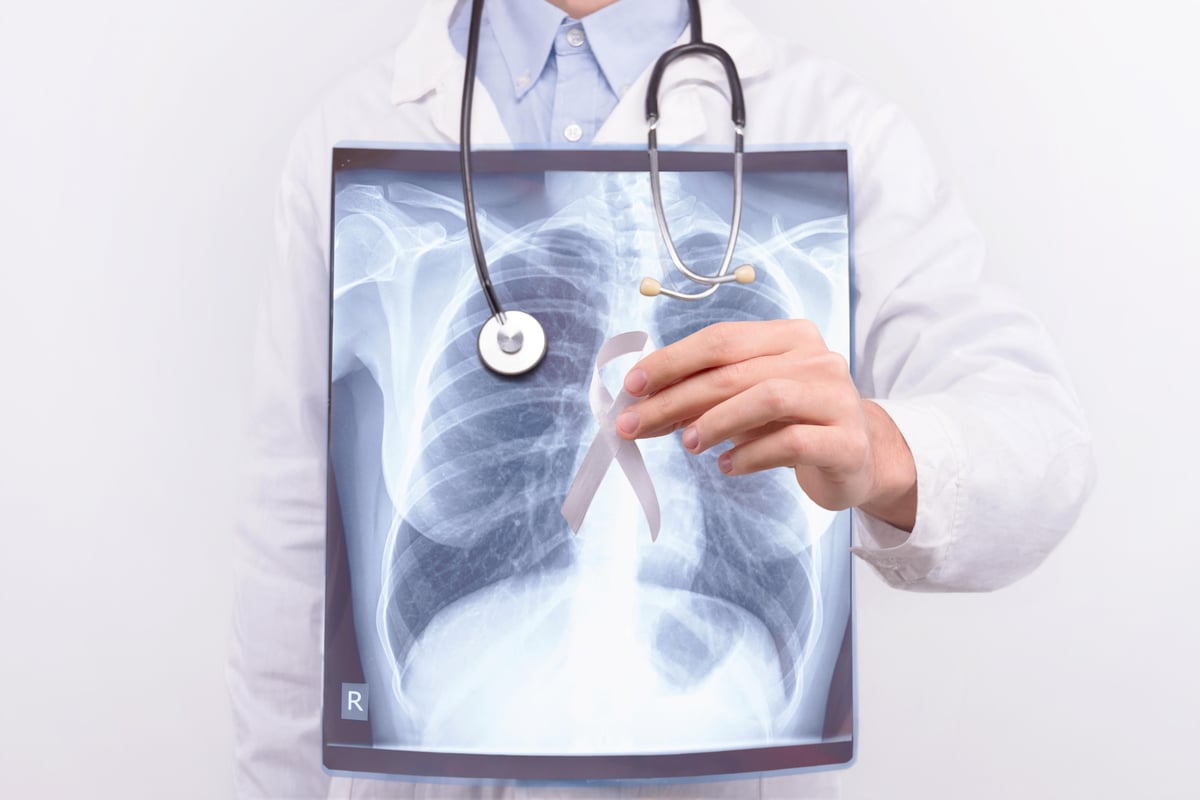
MONDAY, Aug. 1, 2022 (HealthDay News) -- Lung cancer is the leading cause of cancer deaths in the United States, but doctors have had access to a screening tool for nearly a decade that can catch it for early treatment.
Unfortunately, neither of those facts has sunk in for many Americans, according to a new survey from the American Lung Association (ALA). Only 29 percent of Americans know that lung cancer is the No. 1 cancer killer, and nearly 70 percent were not aware that low-dose computed tomography (CT) scan screening is available for early detection of the disease, the survey revealed
Back in 2013, the U.S. Preventive Services Task Force recommended low-dose CT scans for lung cancer screening. Under the Affordable Care Act, insurers must cover screenings recommended by the task force. And last year, it expanded the screening eligibility guidelines.
About 14.2 million Americans qualify as high risk for lung cancer because they are aged 50 to 80 years old and have a 20 pack-year smoking history. But the ALA estimates that only about 5 percent of those who are eligible have been screened for lung cancer. That might be because most people are unaware of their risk. Only 40 percent of adults are concerned that they might develop lung cancer, the survey showed, and nearly three in four have not spoken to their doctor about their risk.
One problem is that lung cancer screening is still relatively new, Arif Kamal, M.D., chief patient officer for the American Cancer Society, told HealthDay. Most people do not know about it, and most doctors probably do not know about the 2021 updated guideline that expanded eligibility, he said. Many people also are reluctant to talk about lung cancer, because they might feel guilty or ashamed that their own actions have put them at increased risk, Kamal said.
During the past 10 years, the lung cancer survival rate has increased by more than 30 percent, but only one in four survey respondents knew this, according to the ALA. Part of this improvement is due to screening efforts, which give doctors a chance to surgically remove smaller tumors and potentially cure the cancer, Kamal said.
Related Posts
CDC Endorses Booster Shots for Millions of Americans
FRIDAY, Sept. 24, 2021 (HealthDay News) -- The U.S. Centers for Disease Control...
EPA Proposes to Ban Last Form of Asbestos Used in U.S.
WEDNESDAY, April 6, 2022 (HealthDay News) -- A proposed rule to ban ongoing uses...
Lying, Ages 12 to 16
Parents usually manage to remain calm during the years when children's lying...
Guidance Issued for MR Imaging of Endolymphatic Hydrops
MONDAY, July 25, 2022 (HealthDay News) -- In a review published in the April...