
Model Using Routine Clinical Data May Predict Pancreatic Cancer Risk
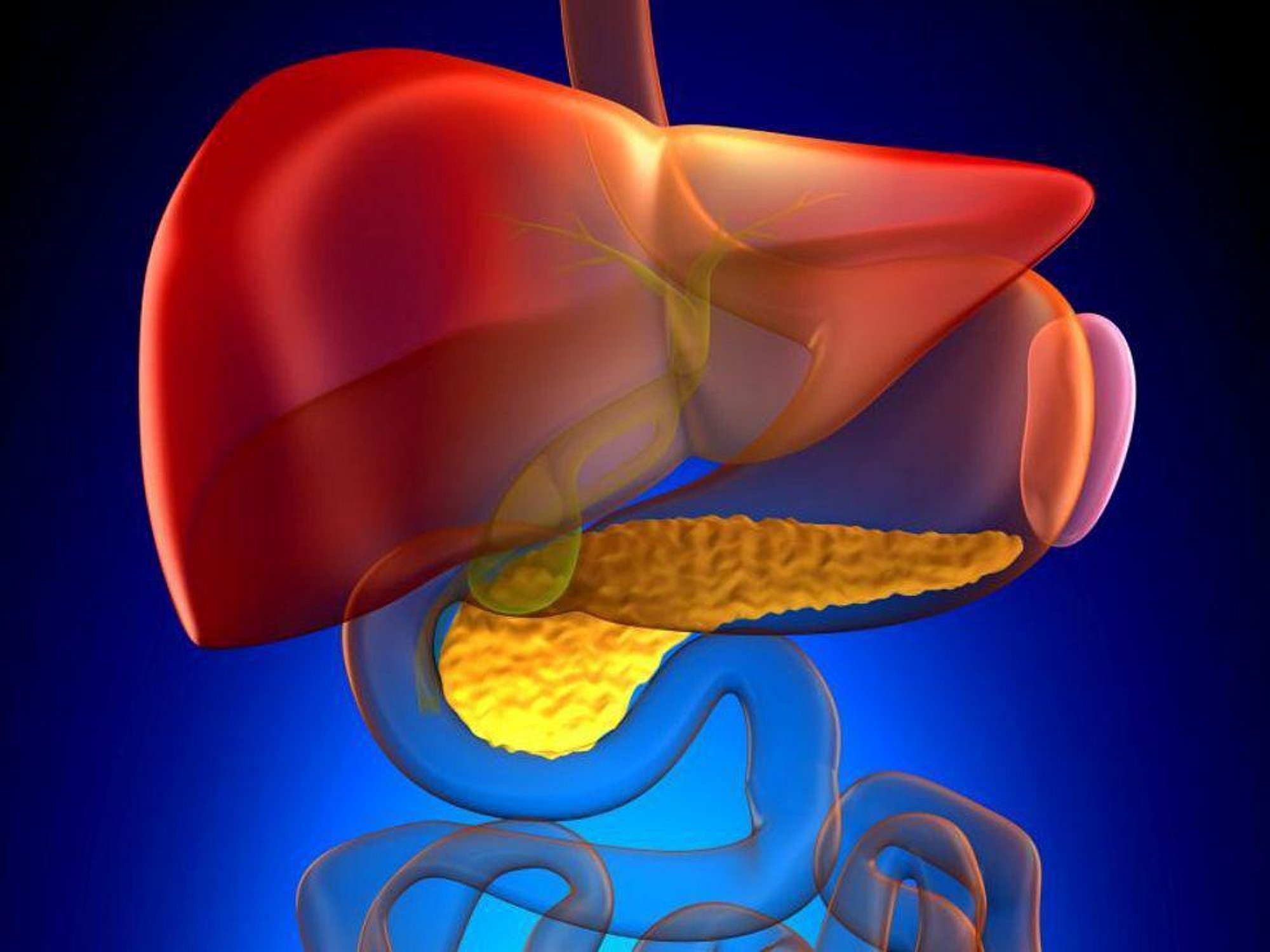
MONDAY, Feb. 14, 2022 (HealthDay News) -- A model using routine clinical information can predict pancreatic ductal adenocarcinoma (PDA) following diagnosis of impaired fasting glucose (IFG), according to a study published in the January issue of the European Journal of Gastroenterology & Hepatology.
Ben Boursi, M.D., from the Sheba Medical Center in Ramat Gan, Israel, and colleagues developed and internally validated a new model to predict PDA risk among those newly diagnosed with IFG. The analysis included 138,232 eligible patients with an initial IFG diagnosis (1995 to 2013).
The researchers found that during the study period, 0.2 percent of individuals were diagnosed with PDA within three years, with a median time from IFG diagnosis to clinical PDA diagnosis of 326 days. Age, body mass index, proton pump inhibitor use, total cholesterol, low-density lipoprotein cholesterol, alanine aminotransferase, and alkaline phosphatase were included in the final prediction model. The model showed good discrimination and calibration.
"Over the last few years our team has been aiming to build a model whereby people at risk of developing pancreatic cancer could be flagged at as early a stage as possible allowing curative resection of the disease," Boursi said in a statement. "If our models are validated in a prospective study, this finding could extend our ability to detect pancreatic ductal adenocarcinomas at an earlier stage and improve health outcomes."
Abstract/Full Text (subscription or payment may be required)
Related Posts
In States Where Recreational Marijuana Legalized, Less Demand for Prescription Codeine
MONDAY, Jan. 23, 2023 (HealthDay News) -- New research suggests that there's one...
Almost All Family Interventions Can Prevent Relapse in Schizophrenia
THURSDAY, Feb. 24, 2022 (HealthDay News) -- Almost all family intervention...
Incluso con múltiples tumores de mama, la mastectomía no siempre es necesaria, según un estudio
MIÉRCOLES, 19 de abril de 2023 (HealthDay News) -- Algunas mujeres con múltiples...