
Metabolic Surgery Cuts Cardiovascular Events for Obesity, Sleep Apnea
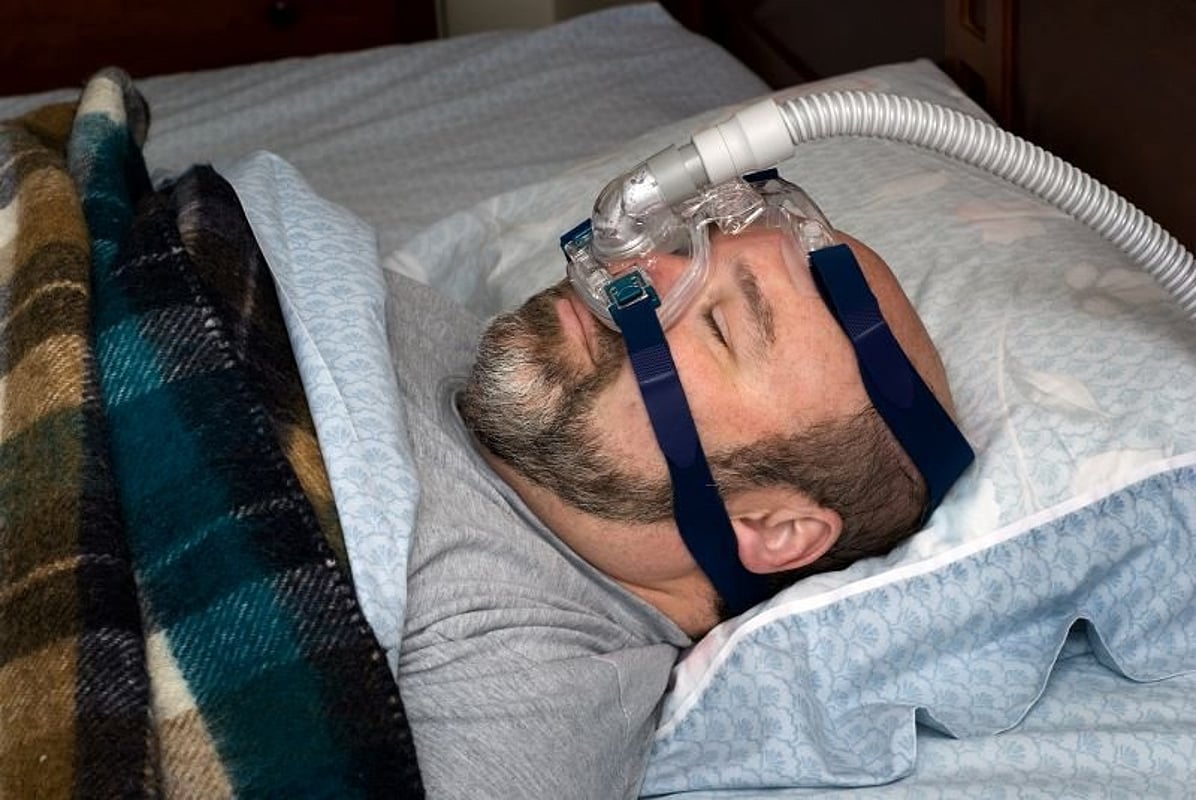
THURSDAY, July 6, 2023 (HealthDay News) -- Metabolic surgery is associated with a lower risk for major adverse cardiovascular events (MACE) in patients with obstructive sleep apnea (OSA) and obesity, according to a study presented at the annual meeting of the American Society for Metabolic and Bariatric Surgery, held from June 25 to 29 in Las Vegas.
Ali Aminian, M.D., from the Cleveland Clinic, and colleagues investigated the long-term relationship between metabolic surgery and incident MACE (composite of coronary artery events, cerebrovascular events, heart failure, atrial fibrillation, and mortality) in patients with moderate-to-severe OSA. The analysis included 13,657 adult patients (970 in the metabolic surgery group and 12,687 patients in the nonsurgical control group) with a body mass index of 35 to 70 kg/m² and presence of moderate-to-severe OSA.
The researchers found that the cumulative incidence of MACE at 10 years was 27.3 percent in the metabolic surgery group and 34.1 percent in the nonsurgical group, yielding an adjusted absolute risk difference of 4.2 percent (adjusted hazard ratio, 0.63).
"No other therapy has been shown to reduce the risk of dying or developing heart attack or heart failure in patients with obesity and obstructive sleep apnea," Aminian said in a statement. "Bariatric surgery is a very powerful tool that can help patients with sleep apnea live longer and healthier lives."
Related Posts
Semaglutide Superior to Liraglutide for Weight Loss
FRIDAY, Jan. 21, 2022 (HealthDay News) -- Among adults with overweight or...
La ventilación de rutina de los pacientes quirúrgicos no aumenta el riesgo de transmisión de la COVID
MIÉRCOLES, 27 de octubre de 2021 (HealthDay News) -- La ventilación de rutina...
Unos científicos desarrollan una prueba rápida del consumo de marihuana
VIERNES, 22 de octubre de 2021 (HealthDay News) -- Los investigadores podrían...