
Many Who Use Both Pot & Booze Say They’ve Driven Intoxicated
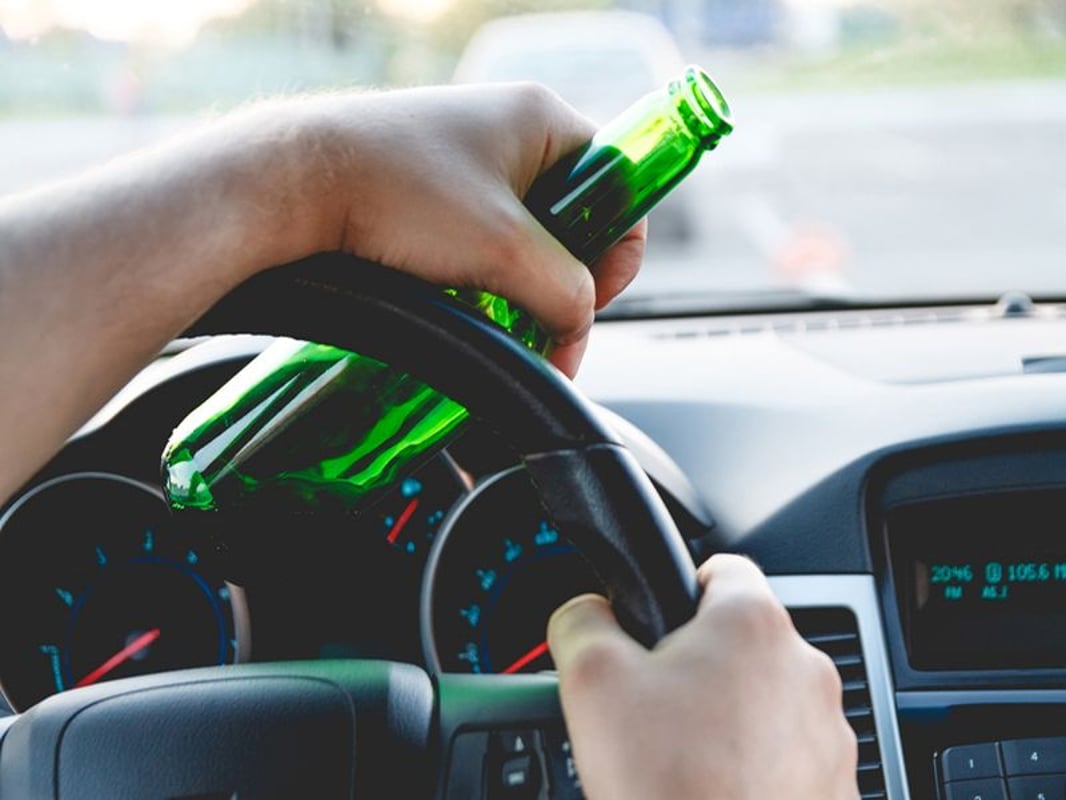
TUESDAY, Feb. 8, 2022 (HealthDay News) -- Among U.S. drivers who use both alcohol and pot, over 40% say they've driven under the influence, a new study finds.
"Alcohol and cannabis are two of the most common substances involved in impaired driving and motor vehicle crashes in the U.S.," said study author Priscila Dib Gonçalves. She is a postdoctoral fellow at the Columbia University Mailman School of Public Health in New York City.
For the study, Gonçalves and her colleagues analyzed data from more than 34,500 drivers who reported any past-year use of alcohol and cannabis in the National Survey on Drug Use and Health (2016 to 2019). Interviews collected further information.
Forty-two percent of drivers with past-year alcohol and cannabis use reported driving under the influence. Of those, 8% reported driving under the influence of alcohol (DUI-A); 20% under the influence of cannabis (DUI-C); and 14% under the influence of both (DUI-A+C).
People who used both were 2.8 times more likely to drive under the influence of cannabis and over 3.5 times more likely to drive under the influence of both alcohol and cannabis, the researchers said in a university news release.
Eight percent of the participants said they drank every day, 20% reported daily pot use and 28% reported simultaneous alcohol/cannabis use.
Daily use increased the likelihood of driving under the influence, the findings showed.
One in five study participants met criteria for alcohol use disorder and 18% for cannabis use disorder, according to the report published Feb. 8 in the American Journal of Preventive Medicine.
Most of the study participants were male (57%), white (67%), had a family income of $40,000 or less (63%) and lived in a state with medical cannabis laws (68%).
"In the context of increasing daily cannabis use among adults, our findings connecting daily cannabis use and DUI raises public health concerns," said senior study author Pia Mauro, assistant professor of epidemiology. "Population changes in cannabis use frequency that may be associated with health hazards, including daily use, need to be continuously monitored."
The study was important because it examined recent (2016 to 2019) national data on driving while impaired by pot and booze.
Gonçalves said identifying which groups are at high risk for DUIs could lead to more focused prevention strategies.
"Future research should also investigate the potential impact of low or 'promotional' cannabis prices with higher levels of use, intoxication, and simultaneous use of other substances," she added.
More information
MADD (Mothers Against Drunk Driving) has more on impaired driving.
SOURCE: Columbia University Mailman School of Public Health, news release, Feb. 8, 2022
Related Posts
Could OTC Painkillers Raise Your Odds for Tinnitus?
FRIDAY, Feb. 11, 2022 (HealthDay News) -- Frequent use of common,...
Menopausal Hormone Therapy Positively Linked to Dementia
FRIDAY, June 30, 2023 (HealthDay News) -- Menopausal hormone therapy is...
¿Podría el aire frío ayudar a aliviar un caso de crup? Sí, afirma un nuevo estudio
MARTES, 1 de agosto de 2023 (HealthDay News) -- Hace años que los pediatras lo...