
Long or Irregular Periods May Put a Woman’s Liver at Risk
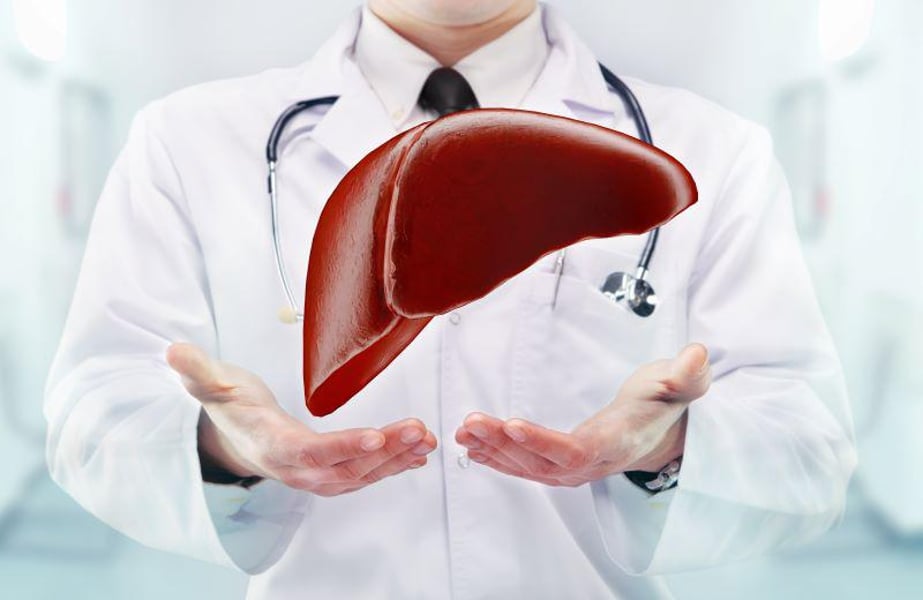
FRIDAY, March 4, 2022 (HealthDay News) -- Women with long or irregular periods are at increased risk for a serious condition called nonalcoholic fatty liver disease, according to a new study.
Nonalcoholic fatty liver disease (NAFLD) is a chronic disease in which excess fat builds up in the liver. It affects about 24% of U.S. adults, according to the March 3 report in the Journal of Clinical Endocrinology and Metabolism.
"Our study results show that long or irregular menstrual cycles may be associated with an increased risk of developing NAFLD, and this link was not explained by obesity," said Dr. Seungho Ryu of Kangbuk Samsung Hospital at Sungkyunkwan University School of Medicine in Seoul, South Korea.
"Previous studies have shown that long or irregular menstrual cycles are associated with type 2 diabetes and cardiovascular disease, but our study is the first to find a link between long or irregular menstrual cycles and NAFLD," Ryu noted in a journal news release.
NAFLD — which is not caused by heavy drinking — can progress to chronic liver damage and is associated with a higher risk of death. There are no approved medicines to treat the disease, so diet and exercise are the standard of care.
For the study, the researchers analyzed data from more than 72,000 women younger than 40. About 28% of the women had long or irregular menstrual cycles, and 7% had NAFLD.
After four years of follow-up, new cases of NAFLD had been diagnosed in nearly 9% of the women. The researchers concluded that there was an association between long or irregular menstrual cycles in young, premenopausal women and an increased risk of NAFLD.
"Young women with long or irregular menstrual cycles may benefit from lifestyle changes to reduce the risk of NAFLD as well as other cardiometabolic diseases," Ryu concluded.
More information
There's more on NAFLD at the U.S. National Institute of Diabetes and Digestive and Kidney Diseases.
SOURCE: Journal of Clinical Endocrinology and Metabolism, news release, March 3, 2022
Related Posts
Telehealth, Phone Visits a Lifesaver for Veterans Addicted to Opioids
THURSDAY, July 28, 2022 (HealthDay News) -- There are many obstacles to opioid...
Una aspirina de dosis baja al día sube las probabilidades de sangrado cerebral, sin bajar el riesgo de ACV
JUEVES, 27 de julio de 2023 (HealthDay News) -- Durante años, los adultos...
CDC Backs Boosters for High-Risk Kids Aged 5-11, Shorter Time Between Shots
TUESDAY, Jan. 4, 2022 (HealthDay News) -- The U.S. Centers for Disease Control...