
Intensive BP Targets Cut Risk for Cardiac Conduction Disease
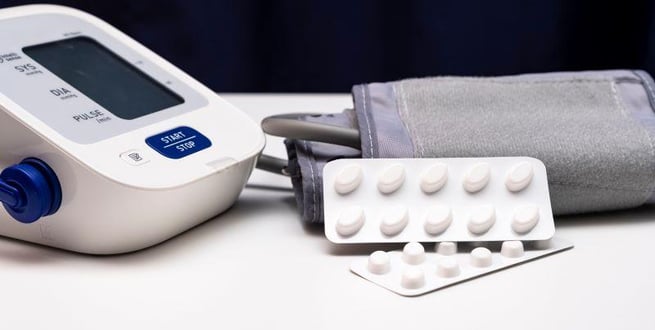
FRIDAY, May 5, 2023 (HealthDay News) -- Intensive blood pressure control is associated with a lower risk for left ventricular conduction disease, according to a study published online May 3 in JAMA Cardiology.
Emilie K. Frimodt-Møller, M.D., from the University of California in San Francisco, and colleagues examined the effectiveness of targeting intensive blood pressure control on the risk for developing left ventricular conduction disease. The analysis included 3,918 patients randomly assigned to standard treatment (<140 mm Hg systolic) and 3,956 to intensive treatment (<120 mm Hg systolic).
The researchers found that intensive treatment was associated with a lower risk for left ventricular conduction disease (hazard ratio, 0.74; 95 percent confidence interval, 0.56 to 0.98; P = 0.04). Results were similar when incident ventricular pacing was included in the outcome and when all-cause death was considered as a competing risk. There was no association observed between randomization assignment and the right bundle-branch block (hazard ratio, 0.95; 95 percent confidence interval, 0.71 to 1.27; P = 0.75).
"This analysis suggests that more aggressive blood pressure control might be a way to prevent this sort of common disease," a coauthor said in a statement. "More broadly, the use of randomized controlled trial data provides compelling evidence that this common disease is not an immutable fate, but that the risk can be modified."
One author disclosed financial ties to the pharmaceutical industry.
Abstract/Full Text (subscription or payment may be required)
Related Posts
FDA Approves First COVID Treatment for Use in Kids
TUESDAY, April 26, 2022 (HealthDay News) – The U.S. Food and Drug Administration...
Biden levantará la emergencia por la COVID en mayo
MARTES, 31 de enero de 2023 (HealthDay News) -- Las dos medidas de emergencia...
After U.S. Warns of Counterfeit Pills Laced With Fentanyl, Mexico Shuts Down 23 Pharmacies
WEDNESDAY, Aug. 9, 2023 (HealthDay News) -- Following a four-day raid, Mexico...
Weight Gain, but No Increase in BP, Seen With Low-Dose Glucocorticoids in RA
TUESDAY, Aug. 15, 2023 (HealthDay News) -- For patients with rheumatoid...