
Intensity-Modulated Radiation Therapy Best for Locally Advanced NSCLC
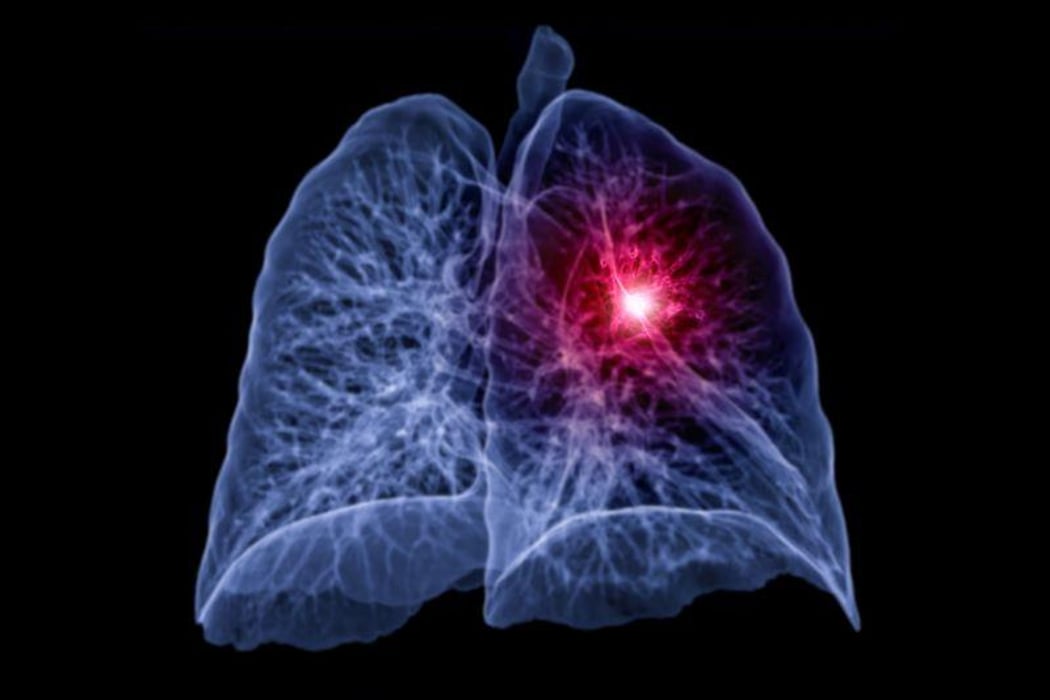
FRIDAY, Sept. 15, 2023 (HealthDay News) -- Intensity-modulated radiation therapy (IMRT) shows benefits over 3D-conformal (3D-CRT) radiotherapy for patients with locally advanced non-small cell lung cancer (NSCLC), according to a study presented at the International Association for the Study of Lung Cancer 2023 World Conference on Lung Cancer, held from Sept. 9 to 12 in Singapore.
Stephen Chun, M.D., from the University of Texas MD Anderson Cancer Center in Houston, and colleagues conducted a secondary analysis comparing five-year outcomes of patients treated with IMRT and 3D-CRT for locally advanced NSCLC in the phase 3 NRG Oncology-RTOG 0617 trial. The analysis included 482 patients followed for a median 5.2 years.
The researchers found that at five years, the IMRT and 3D-CRT groups had similar overall survival, progression-free survival, time to local failure, and distant metastasis-free survival. The heart V20-60Gy was continuously associated with survival, while a heart V40Gy <20 percent was associated with significantly better survival than heart V40Gy ≥20 percent (median survival, 2.5 versus 1.7 years). A heart V40Gy ≥20 percent was significantly associated with worse survival. The lung V5Gy did not have a significant impact on survival. IMRT was associated with more than a twofold reduction in Common Terminology Criteria for Adverse Events grade ≥3 pneumonitis versus 3D-CRT (3.5 versus 8.2 percent). There was no association noted between lung V5Gy and grade ≥3 pneumonitis, esophagitis, weight loss, cardiovascular toxicity, neurologic toxicity, or hematologic toxicity. Rates of second malignancy development were similar between the IMRT and 3D-CRT groups with long-term follow-up (6.6 versus 5.5 percent).
"IMRT spared more normal tissue than 3D-CRT, which translated into a clinically meaningful benefit to patients," Chun said in a statement. "Despite historical concerns of IMRT generating a low-dose radiation bath to a large area of normal lung tissue, we found no excess cancers, increased adverse events, or survival detriment over the long term related to this approach."
The study was funded in part by Bristol Myers Squibb and Eli Lilly.
Related Posts
AHA News: A Heart Attack During Pregnancy, Then Heart Valve Surgery
WEDNESDAY, Dec. 7, 2022 (American Heart Association News) -- As she walked up to...
Dietas de ayuno o reducir calorías: ¿Cuáles funcionan mejor?
MARTES, 27 de junio de 2023 (HealthDay News) -- Una forma de moda de ayuno...
UGN-101 Reviewed in Real-World Upper Tract Urothelial Cancer Setting
MONDAY, Jan. 9, 2023 (HealthDay News) -- For patients with upper tract...
Plastic Surgery Consultations for Complex Cases Add Financial Value to Hospitals
WEDNESDAY, April 6, 2022 (HealthDay News) -- Surgical cases involving plastic...