
HPV Vaccination May Cut Risk for CIN2+ Recurrence
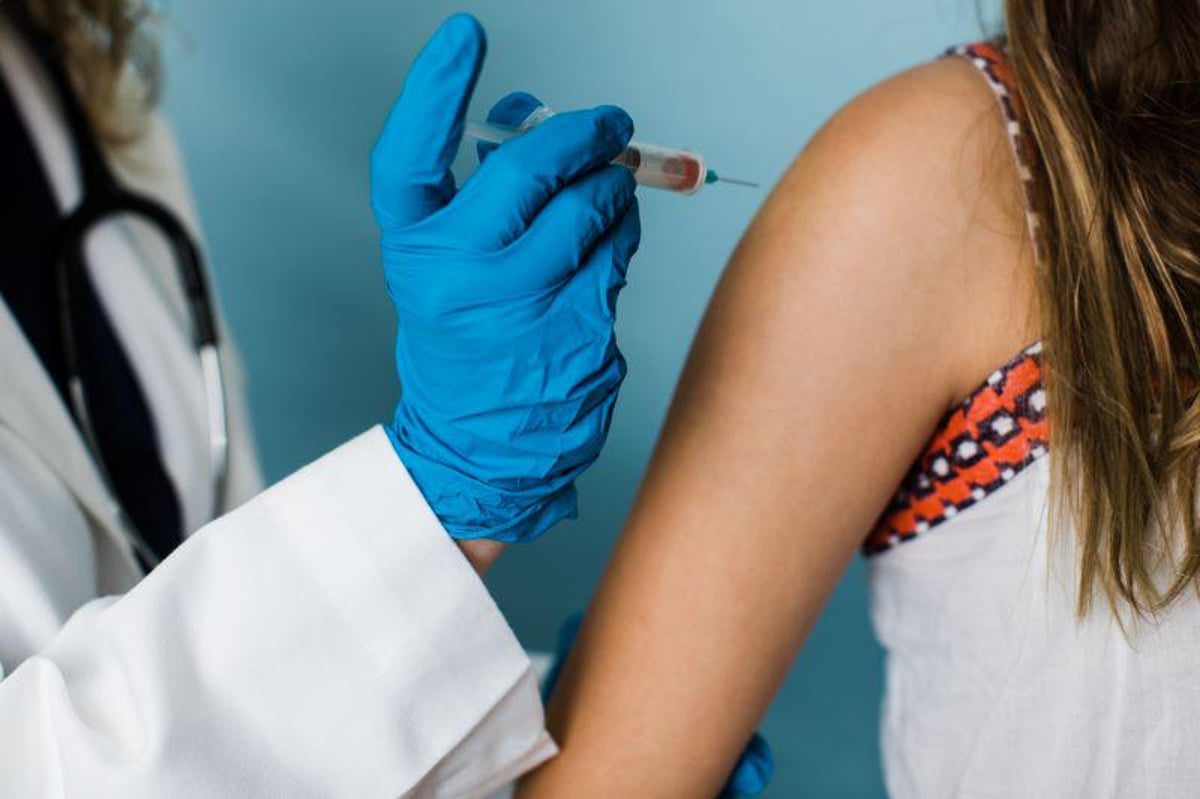
FRIDAY, Aug. 5, 2022 (HealthDay News) -- Human papillomavirus (HPV) vaccination seems to reduce the risk for cervical intraepithelial neoplasia grade 2 or higher (CIN2+) recurrence, according to a review published online Aug. 3 in The BMJ.
Konstantinos S. Kechagias, from Imperial College London, and colleagues conducted a systematic review and meta-analysis to examine the risk for recurrence of CIN2+ after local surgical treatment. Twenty-two studies met the inclusion criteria; 18 of these studies also reported data from a nonvaccinated group and were included in the meta-analysis.
The researchers found that the risk for recurrence of CIN2+ was lower in those who were versus those who were not vaccinated (risk ratio, 0.43). When the risk for recurrence of CIN2+ was assessed for disease related to HPV subtypes HPV16 or HPV18, the effect estimate was even stronger (risk ratio, 0.26). Confidence in the meta-analysis ranged from very low to moderate, probably due to publication bias and inconsistency in studies. The risk for recurrence of CIN3 was also lower for vaccinated patients, but uncertainty was large (risk ratio, 0.28). There was no evidence of benefit for recurrence of vulvar, vaginal, and anal intraepithelial neoplasia, genital warts, or persistent and incident HPV infections.
"The findings of our meta-analysis suggest that adjuvant HPV vaccination at the time of local excision for CIN might lead to a reduction in the risk of recurrence of high-grade preinvasive disease," the authors write.
Related Posts
Skyrizi Approved for Psoriatic Arthritis
WEDNESDAY, Jan. 26, 2022 (HealthDay News) -- The U.S. Food and Drug...
Weekend Warriors Get Same Cardiovascular Benefit as Regular Exercisers
TUESDAY, July 18, 2023 (HealthDay News) -- Physical activity concentrated within...
What Happens to Your Body When You Quit Smoking
TUESDAY, Jan. 3, 2023 (HealthDay News) -- Giving up cigarettes can be...
Short Menstrual Cycles Tied to More Symptoms at Menopause
WEDNESDAY, Aug. 31, 2022 (HealthDay News) -- Women with short menstrual cycles...