
‘Holiday Heart’: Heart Attacks Spike in Last 2 Weeks of December
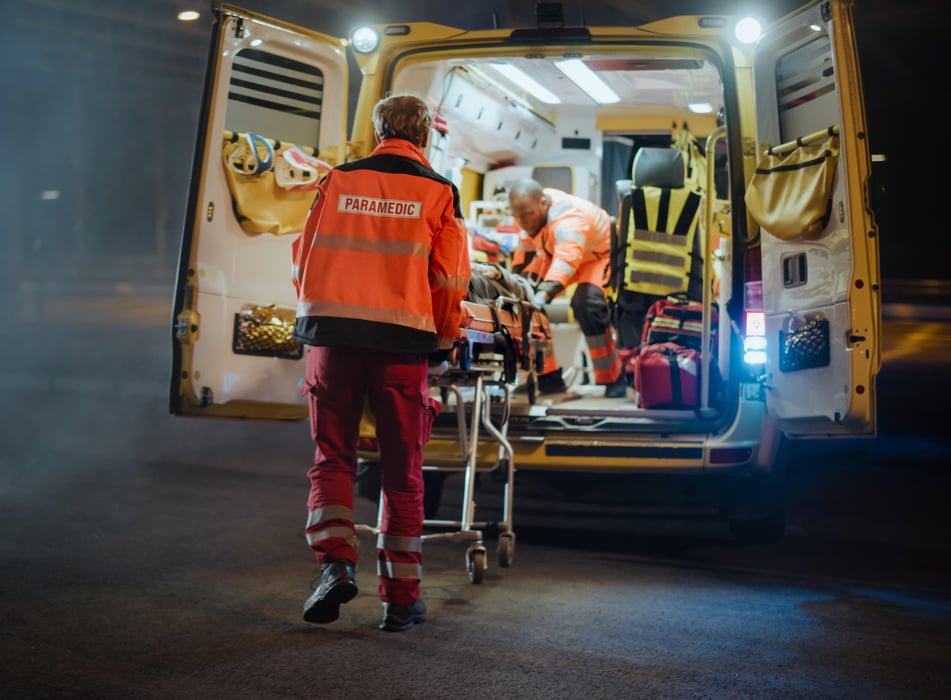
MONDAY, Dec. 19, 2022 (HealthDay News) -- The holiday season is filled with to-do lists, but one should rise to the top: Take care of your heart.
Whether from stress, cold weather or falling out of good habits in terms of eating, sleeping and drinking, heart attack rates spike as much as 40% between Christmas and New Year’s, according to cardiologist Dr. Donald Lloyd-Jones. He is chairman of preventive medicine at Northwestern University Feinberg School of Medicine, in Chicago.
“When we look across the year in terms of heart attack rates, what we see is fairly constant rates week by week with two exceptions: One is that there’s a broad, shallow dip in summer months and, two, there is a very short spike of about 30% to 40% in the last couple weeks of the year between Christmas and New Year’s,” Lloyd-Jones said in a university news release.
It’s important not to underestimate symptoms, he stressed.
“We have two kidneys and two lungs, but only one heart and one brain, so it’s much safer to err on the side of caution,” Lloyd-Jones said. “If there’s any doubt, get checked out in person. At best, hopefully you are aborting a heart attack or stroke. Time is heart muscle, time is brain cells, and so time is of the essence. The sooner you seek help in that situation, the sooner we can save your life or brain."
Family stress is an issue for some, as well as falling out of healthy habits.
“During the holiday season, there are different stresses like dealing with your in-laws and travel arrangements that may add stress," Lloyd-Jones said. "We’re often knocked off our eating and sleeping patterns, we tend to consume more alcohol, we’re not pursuing our typical physical activity and we may get thrown off our medication schedule.”
Weather is another culprit when it comes to winter heart issues.
“When we breathe cold air, it chills the blood in our lungs and causes constriction of blood vessels,” Lloyd-Jones said. “The first blood vessels downstream from the lungs are the coronary arteries, which are particularly affected by the cold weather. Pursuing cold-weather activities, like shoveling, may be especially hazardous because we might overdo it, plus we’re wearing extra layers, which could cause us to overheat. It’s a perfect storm to maximize stress on the heart.”
Classic heart attack symptoms in men are heavy, crushing pressure in the middle of the chest, or sudden, unexplained shortness of breath.
Symptoms for women can be the same or more diffuse, such as experiencing just shortness of breath or profound fatigue, or occasionally, dizziness and lightheadedness.
Signs of stroke can be remembered through the memory aid, "FAST." That stands for: Face drooping; Arm or leg weakness on one side; Speech difficulty; and Time to call 911.
Heart attack and stroke are the leading causes of death in the United States and around the world.
More information
The U.S. Centers for Disease Control and Prevention has more on heart attack.
SOURCE: Northwestern Medicine, news release, Dec. 14, 2022
Related Posts
What Is Metastatic Breast Cancer & How Is It Treated?
MONDAY, June 26, 2023 (HealthDay News) -- Metastatic breast cancer can be a...
Serum Sodium in Upper Part of Normal Range Linked to Heart Failure
THURSDAY, April 7, 2022 (HealthDay News) -- Serum sodium in the upper part of...
El vapeo podría empeorar los síntomas de COVID-19
MARTES, 18 de enero de 2022 (HealthDay News) -- Si usted vapea y se contagia de...
Car Exhaust Could Harm a Woman’s Pregnancy
MONDAY, Oct. 16, 2023 (HealthDay News) -- Air pollution from heavy traffic may...