
Higher Seafood n-3 PUFA Levels Tied to Lower Risk for Incident CKD
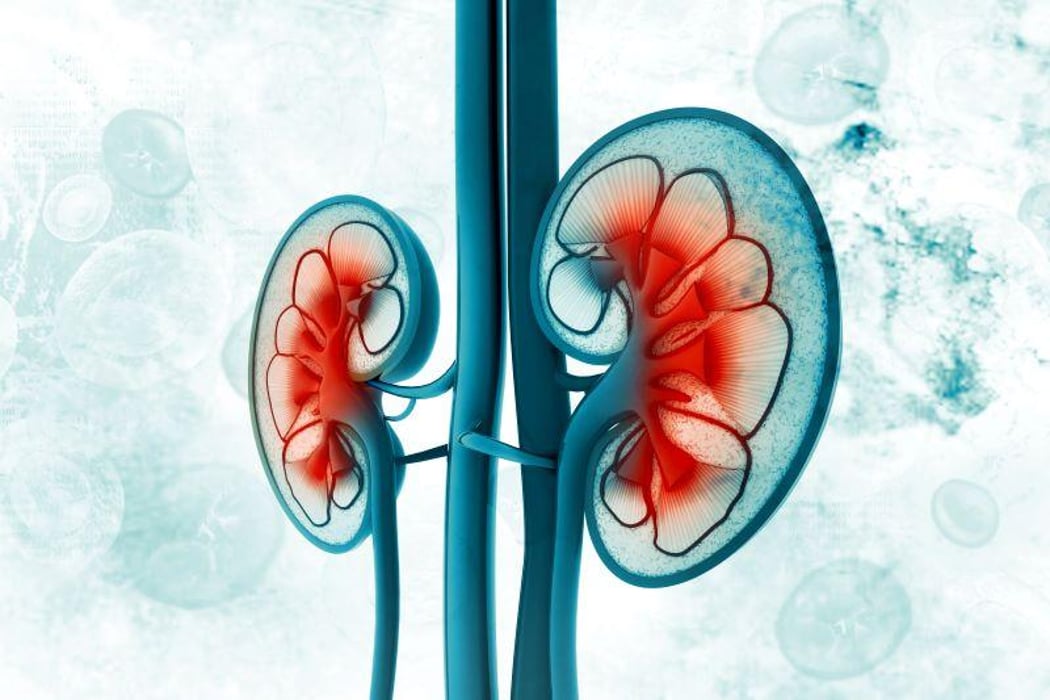
MONDAY, Jan. 23, 2023 (HealthDay News) -- The risk for incident chronic kidney disease (CKD) is lower with higher seafood-derived omega 3 polyunsaturated fatty acid (n-3 PUFA) levels, according to research published online Dec. 18 in The BMJ.
Kwok Leung Ong, Ph.D., from the University of New South Wales in Sydney, and colleagues examined the associations of circulating levels of n-3 PUFA biomarkers with incident CKD in a pooled analysis using data from 19 studies conducted in 12 countries.
The primary outcome analysis included 25,570 participants, of whom 19.3 percent developed incident CKD during follow-up (weighted median, 11.3 years). The researchers found that higher levels of total seafood n-3 PUFAs were associated with a lower risk for incident CKD in multivariable adjusted models. Participants with a total seafood n-3 PUFA level in the highest versus the lowest fifth had a 13 percent lower risk for incident CKD in categorical analyses. There was no association observed for plant-derived α-linolenic acid levels with incident CKD. Results were similar in the sensitivity analysis. Across subgroups by age, estimated glomerular filtration rate, hypertension, diabetes, and coronary heart disease at baseline, the associations were consistent.
"Although the magnitude of these associations was modest, our findings suggest adequate consumption of seafood and oily fish should be part of healthy dietary patterns," the authors write.
Several authors disclosed financial ties to the biopharmaceutical, nutrition, and medical technology industries.
Related Posts
Ya se pueden comprar audífonos sin receta: los expertos aconsejan a los consumidores
LUNES, 17 de octubre de 2022 (HealthDay News) -- Ya es oficial: los...
Exercise Levels Linked to Lower Chronic Disease, Mortality Outcomes
WEDNESDAY, March 1, 2023 (HealthDay News) -- Higher physical activity levels are...
Did the Pandemic Spur Permanent Decline in Americans’ Daily Steps?
TUESDAY, March 21, 2023 (HealthDay News) -- If you feel like the pandemic made...
Health Highlights: Aug. 30, 2022
Could black tea lengthen your life? British data on nearly 500,000 people shows...