
Feds Warn of Home Carbon Monoxide Detectors That May Fail to Alarm
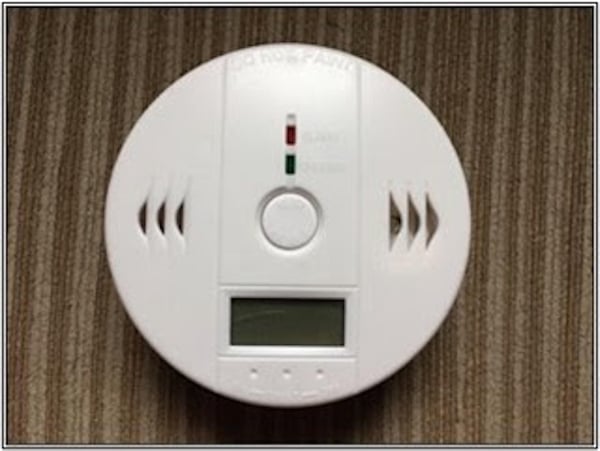
THURSDAY, Sept. 22, 2022 (HealthDay News) -- Consumers should immediately stop using HECOPRO digital display carbon monoxide (CO) detectors because they can fail to warn about the presence of the dangerous gas, the U.S. Consumer Product Safety Commission (CPSC) said.
The CPSC issued the warning Thursday after detectors sold on Amazon.com failed tests with a CO concentration of 400 ppm, in violation of safety standards.
At sustained levels above 150 to 200 ppm, disorientation, loss of consciousness and death are possible, according to the CPSC.
The detectors in the warning were sold on Amazon.com under ASIN, B07T66J7KJ for between $9 and $13. They are made of white plastic and measure approximately 4.1 by 1.8 by 4.1 inches. They have a digital display.
Advertising for the detectors claims they detect dangerous levels of carbon monoxide and alert with a flashing red LED and a loud alarm.
The CPSC said consumers should not purchase or sell these detectors. Existing detectors should be thrown away and new, working ones installed.
Carbon monoxide is an odorless gas. Any fuel-burning appliance, from a gas range to a furnace, is a potential source.
Accidental carbon monoxide poisoning associated with consumer products claims more than 150 lives in the United States each year.
For protection, consumers should install carbon monoxide alarms on each level of their home and outside separate sleeping areas, CPSC said. Alarms should be battery-operated or have battery backup. It is important to test alarms frequently and replace dead batteries.
More information
To report a dangerous product or product-related injury, visit the U.S. Consumer Product Safety Commission.
SOURCE: U.S. Consumer Product Safety Commission, news release, Sept. 22, 2022
Related Posts
Study Finds Good Long-Term Outcomes for Appendicitis Treated Without Surgery
THURSDAY, Aug. 10, 2023 (HealthDay News) -- Most people with appendicitis who...
Thinking of Donating a Kidney? New Data Shows It’s Safe
FRIDAY, April 29, 2022 (HealthDay News) -- If you're thinking about donating a...
‘Unbearable’: 3 Patients Tell of Monkeypox Ordeal
MONDAY, Aug. 1, 2022 (HealthDay News) -- What do a small business owner in the...
Nightmares Can Sometimes Warn of Parkinson’s Onset
WEDNESDAY, June 8, 2022 (HealthDay News) -- Nightmares can be unsettling for...