
FDA Warns of Dangers From Skin-Lightening Creams
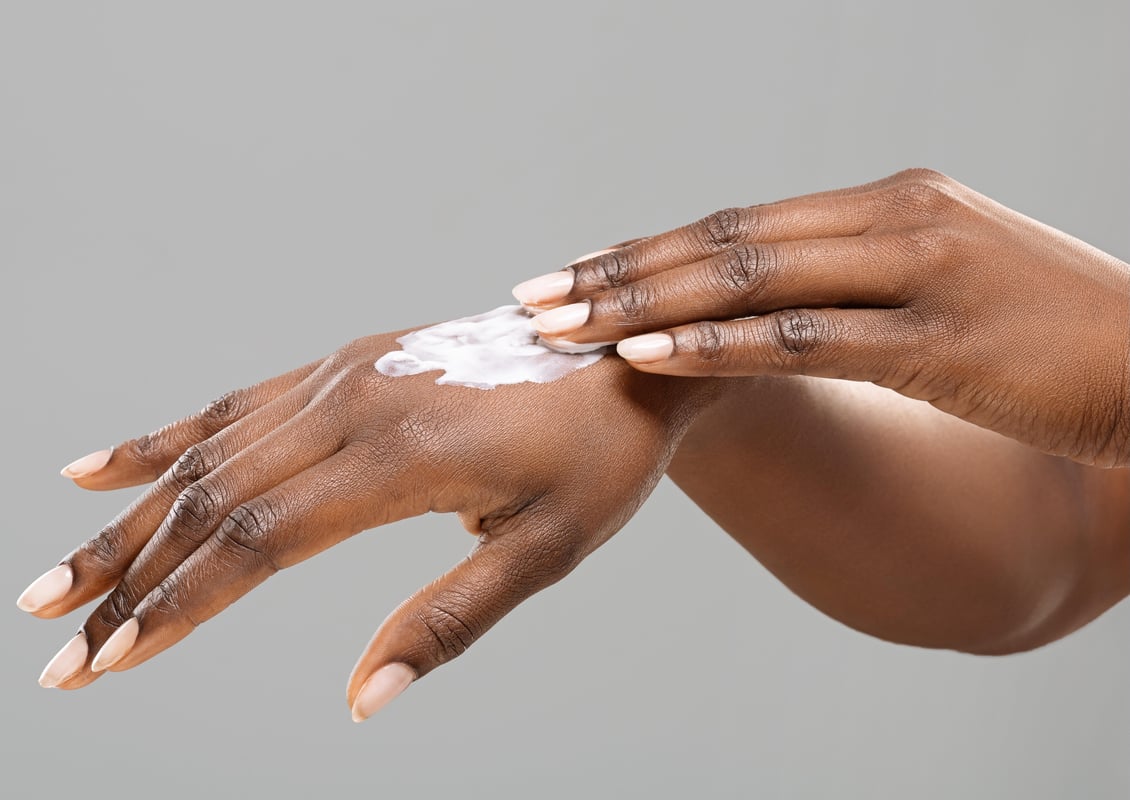
THURSDAY, Sept. 1, 2022 (HealthDay News) -- Skin-lightening products can be dangerous for consumers when they contain harmful ingredients that are illegal for over-the-counter sales, the U.S. Food and Drug Administration warned Wednesday.
The potentially harmful ingredients are hydroquinone or mercury, the agency said in a news release. People who have used products with hydroquinone have suffered side effects that included rashes, facial swelling, and permanent skin discoloration, the FDA warned. Meanwhile, mercury is highly toxic and can damage the nervous, digestive, and immune systems, as well as the lungs, kidneys, skin, and eyes.
Skin-lightening products are marketed as treatments for uneven skin tone, acne, age spots, freckles, and wrinkles. Companies may describe skin-lightening products as skin bleaching, fading, evening, brightening, or whitening products. The products are often sold as creams, lotions, soaps, or powders in shops that cater to Hispanic/Latino, Asian, African, or Middle Eastern communities, the FDA said.
These products limit the skin's production of melanin. But hydroquinone and mercury can build up in the body over time. "Skin lightening products containing hydroquinone are not approved for over-the-counter sale," the FDA said. "However, you can get a prescription skin product containing hydroquinone from your health care provider. The use of mercury in skin lightening products is banned."
Consumers should check product labels and avoid those containing hydroquinone or mercury. Mercury may be listed as mercurous chloride, calomel, mercuric, mercurio, or Hg. Illegal products may be inaccurately labeled. Avoid products with handmade labels, labels in languages other than English, or no label at all, the FDA said.
Was this page helpful?
Related Posts
Time Spent in Day Care Won’t Harm Child’s Development
THURSDAY, Nov. 17, 2022 (HealthDay News) -- Millions of parents drop their...
Feds Warn of Bedrails That Can Entrap; 3 Deaths Reported
FRIDAY, June 3, 2022 (HealthDay News) -- At least three elderly Americans...
Weight-Loss Surgery Can Keep Diabetes at Bay for Years: Study
TUESDAY, June 27, 2023 (HealthDay News) -- Gastric bypass surgery is a potential...
Good Sleep Could Keep Illness at Bay as You Age
WEDNESDAY, Oct. 19, 2022 (HealthDay News) -- As men and women enter their golden...